我少回来几趟 省得碍您的眼
“Then I'll come back less often, so I won't annoy you.”
THE DIALOGUE REEL
“You should tidy up a bit when you're free.”
我少 回来 几趟 省得 碍您的眼
“Then I'll come back less often, so I won't annoy you.”
“If you're going to complain about me constantly, I just won't bother visiting.”
Using self-effacing politeness ('碍您的眼') to mask irritation is a classic Chinese conflict avoidance mechanism when dealing with older relatives.
LEARNING CHUNKS & PARTICLES
make fewer trips
A common spoken structure indicating a reduction in the frequency of traveling to a specific place.
so as to avoid; to save the hassle of
Used before an undesirable outcome to state the preventative purpose of an action.
to be an eyesore; get in the way
Often used in self-deprecating or sarcastic statements to convey that one's presence irritates someone else.
VOCABULARY & EXPRESSIONS
Parallel Spoken Cinema Scenes (语义近邻切片)

“I'm not going to leave this time.”
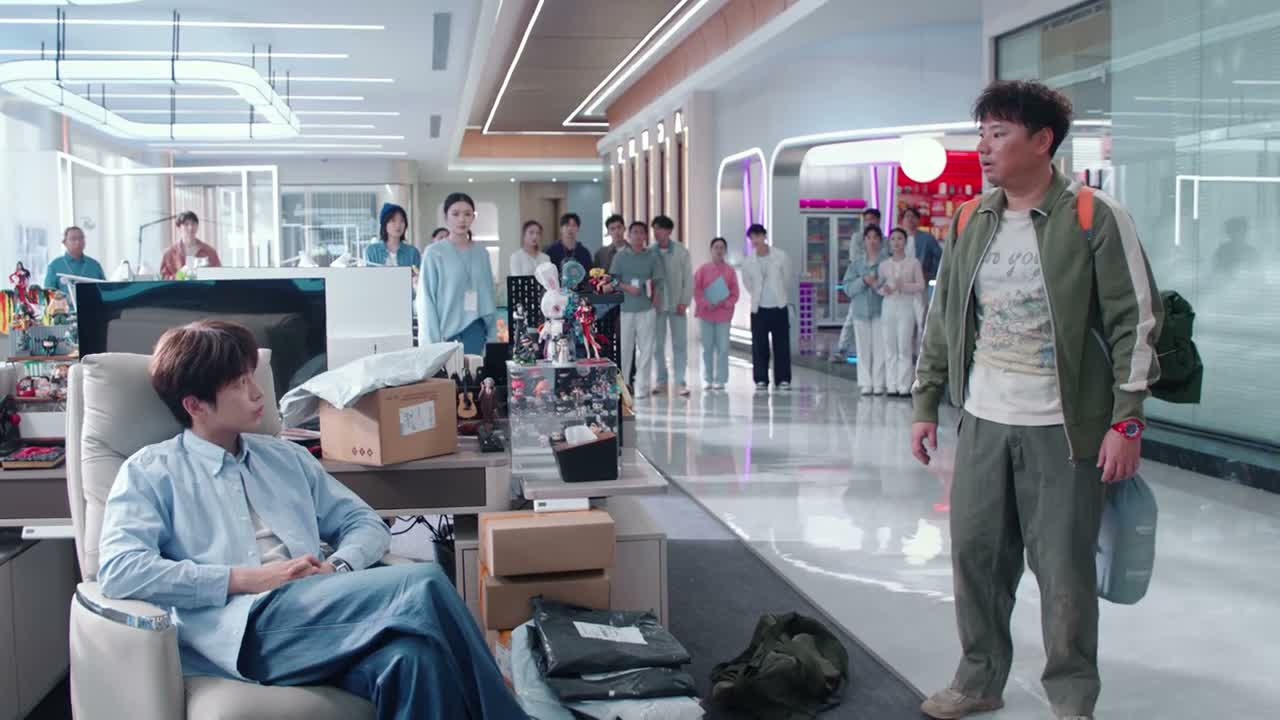
“Your journey has bulked you up.”
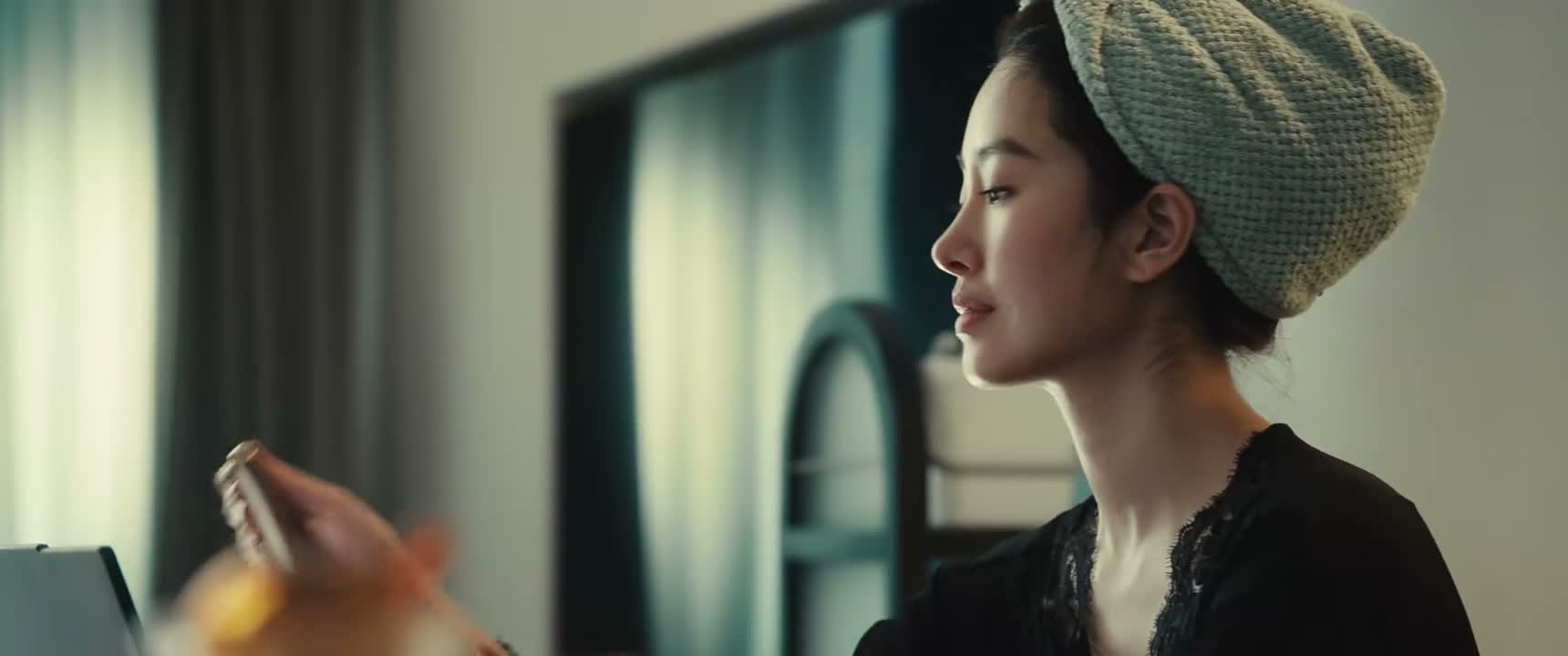
“there'll still be nothing, and I'll have to come back again. That's so inconvenient, don't you think?”

“This time, I'll leave after the Lantern Festival, so I can spend more time with you.”

“I've only just come back, and now I'm leaving again.”

“- and they never came back. - Never came back.”