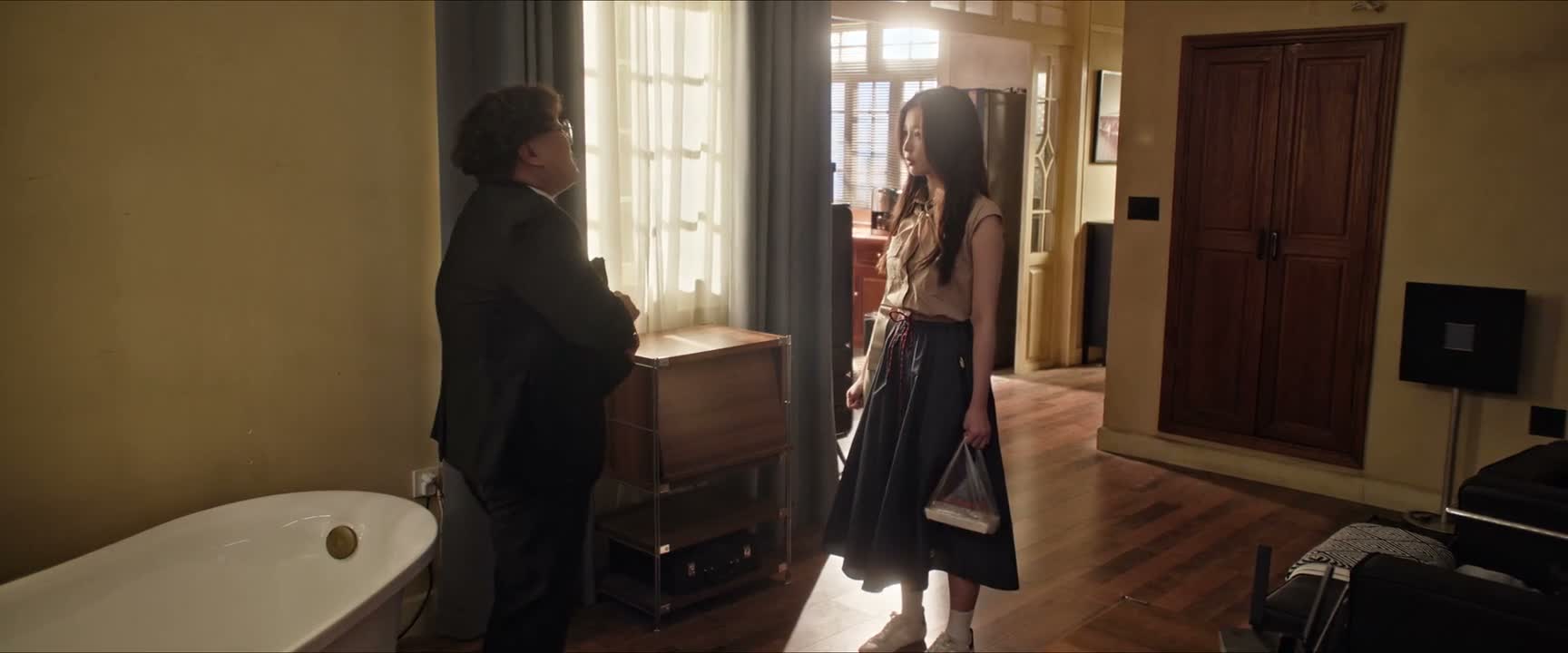
我看嘛 时间也差不多了 我们好走了呀
“I think it's about time. Let's get going.”
THE DIALOGUE REEL
喝水 喝水 喝水 李镇长
“Have some water. Ms. Li.”
我看 嘛 时间也 差不多了 我们 好走了 呀
“I think it's about time. Let's get going.”
你先回去吧
“Go back first.”
“We've stayed long enough; let's wrap this up and get out of here.”
In Chinese administrative and social visits, staying too long strains host resources; suggesting departure based on time shows tact and consideration for the host's schedule.
LEARNING CHUNKS & PARTICLES
about time; nearly there
A versatile formulaic expression used to indicate sufficiency or the imminent completion of an event.
can leave; it's time to go
Common in southern Chinese vernacular (e.g., Wu-influenced Mandarin) meaning 'we ought to leave'.
Marks an observation as obvious or natural.
Softens the suggestion to leave, making it sound cordial and non-demanding.
VOCABULARY & EXPRESSIONS
Parallel Spoken Cinema Scenes (语义近邻切片)

“Not finished yet? Give me a rough date, so I can explain to the people.”
“It's almost 6 PM. I'm in a bit of a rush. So I'll get going now.”