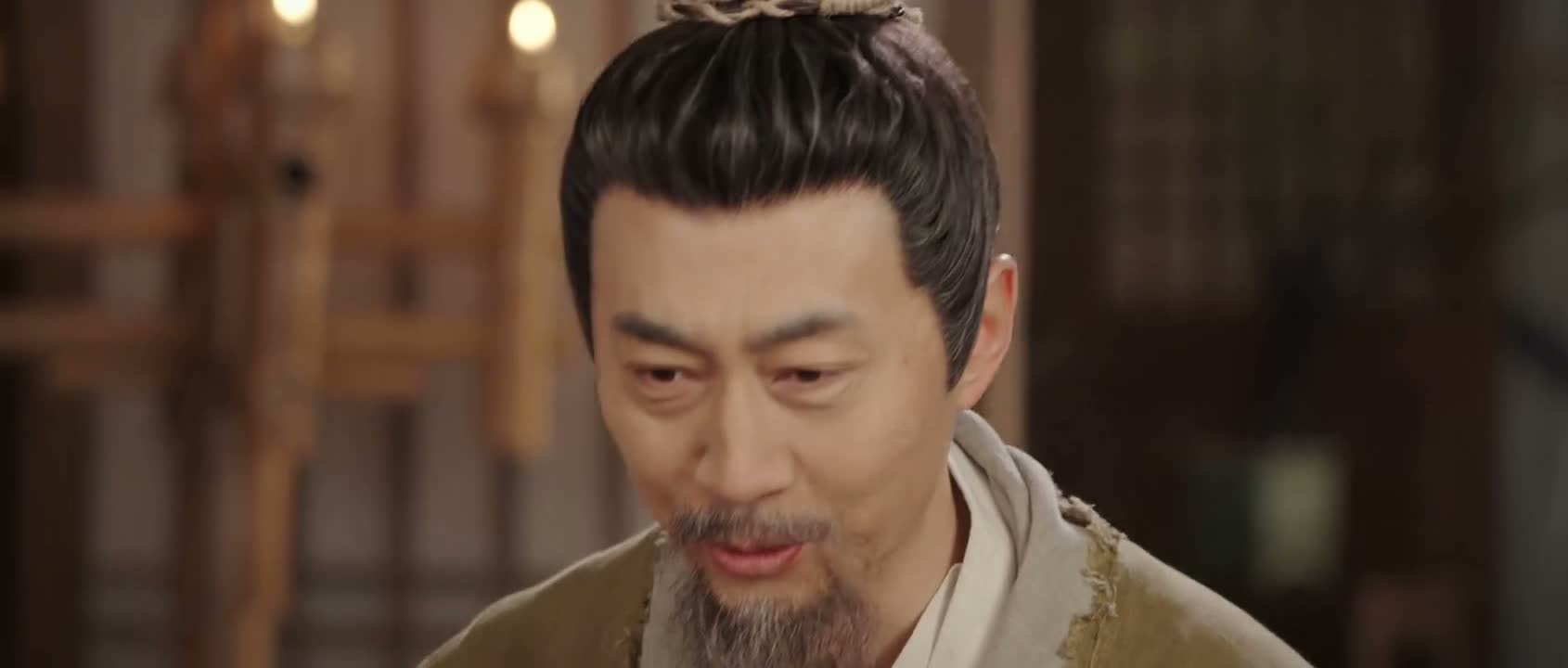
娘娘还是莫要打趣老奴了
“Your Highness, please stop teasing me.”
THE DIALOGUE REEL
敢问您 这个侍寝 它有什么规矩或者讲究啊
“May I ask, this bedchamber service— are there any rules or protocols for it?”
娘娘还是 莫要 打趣 老奴 了
“Your Highness, please stop teasing me.”
我是说我没什么经验
“I'm saying I don't have much experience.”
“You must be joking with me; someone of your status should already know this!”
Palace servants in traditional China adopted extreme self-deprecation (referring to themselves as '老奴') to maintain strict hierarchy while diplomatically steering high-status figures away from awkward questions.
LEARNING CHUNKS & PARTICLES
do not; please don't
A classic literary or formal spoken imperative phrase equivalent to '不要'.
to poke fun at; to tease; to banter
Used when someone is playfully joking about an embarrassing or unexpected subject.
this old servant (humble self-reference)
Historical self-referential term used by aged palace eunuchs or older personal retainers before nobility.
Functions as a modal marker urging the listener to discontinue their current teasing action.
VOCABULARY & EXPRESSIONS
Parallel Spoken Cinema Scenes (语义近邻切片)

“I've already sent the Imperial Guards to rescue Her Highness. -Your Majesty, you can't go! -She's in danger. I need to save her.”

“I must remind you”
“I'm just a servant, I can't make that call.”

“Unfortunately, I let my guard down for a moment,”

“I don't know anything else. Then they must have left not long ago.”

“I've done plenty of dirty work for you.”