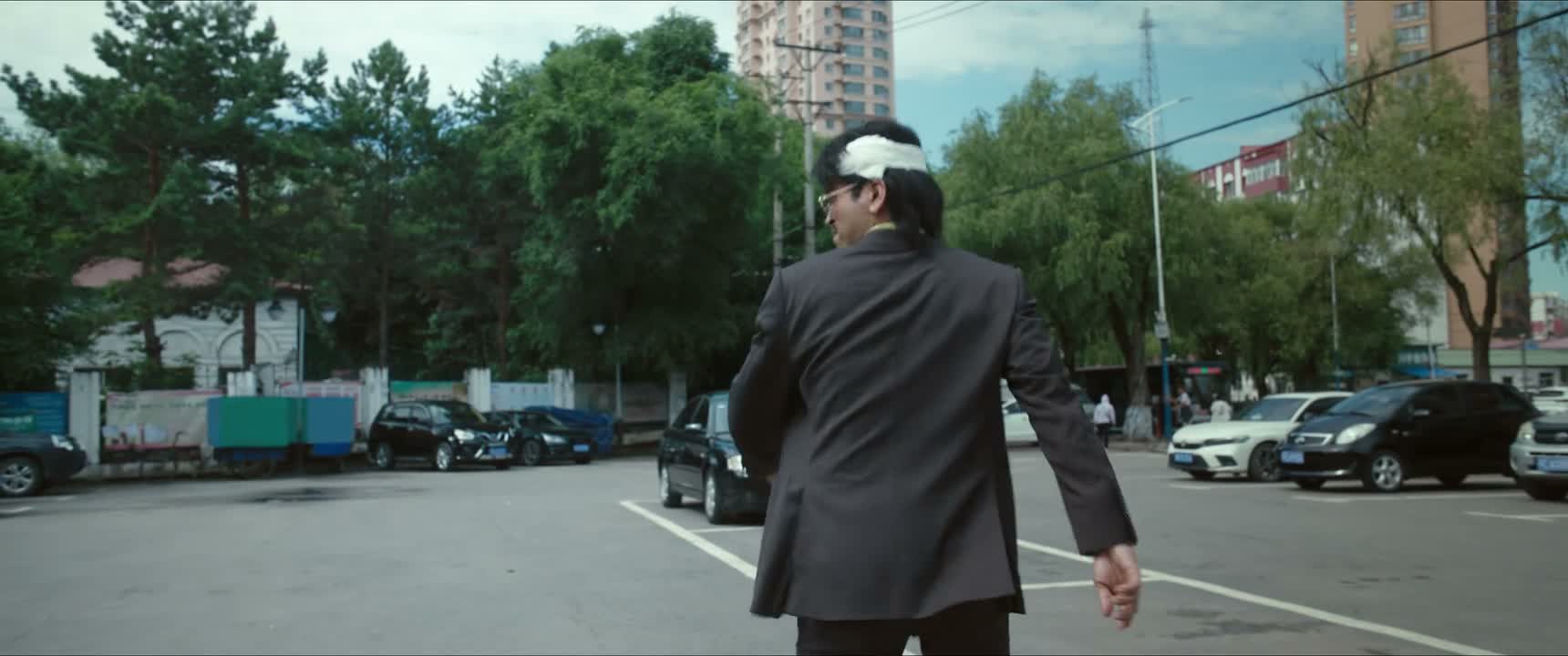
你这样很不礼貌 你的妈妈没有教过你吗
“you are very impolite! Didn't your mother teach you?”
THE DIALOGUE REEL
江教授
“Professor Jiang,”
你 这样 很 不礼貌 你的妈妈 没有教过 你 吗
“you are very impolite! Didn't your mother teach you?”
“Politeness is the rule of communication between people.”
“You are utterly ill-mannered and bringing shame to your family.”
In Chinese culture, criticizing someone's manners by invoking their mother or parents directly attacks their 'jiajiao' (family upbringing), which is considered a profound personal insult.
LEARNING CHUNKS & PARTICLES
very impolite
A straightforward evaluation used to criticize someone's unacceptable manners.
didn't [they] teach you?
A sharp rhetorical question used to condemn someone's perceived lack of social etiquette.
Forms a rhetorical question that reinforces the accusatory tone.
VOCABULARY & EXPRESSIONS
Parallel Spoken Cinema Scenes (语义近邻切片)

“That might sound a bit rude,”

“That might sound a bit rude, but you get what I mean.”
“are so impolite.”

“Why do you have no manners at all?”