我可不想死于非命
“I don't want to die an unnatural death.”
THE DIALOGUE REEL
毒害了整个江家村
“poisoned the entire Jiang Village.”
我可不想 死于非命
“I don't want to die an unnatural death.”
Direct spoken expression in this communicative setting.
In traditional Chinese cosmology, dying old in one's bed is considered a primary blessing, whereas dying violently outside one's destined lifespan is viewed with dread.
LEARNING CHUNKS & PARTICLES
to die a violent or unnatural death
A set idiomatic phrase used to describe dying unexpectedly through murder, poisoning, or disaster.
I really don't want to
A conversational pattern where '可' serves as an emphatic marker expressing strong personal reluctance.
VOCABULARY & EXPRESSIONS
Parallel Spoken Cinema Scenes (语义近邻切片)
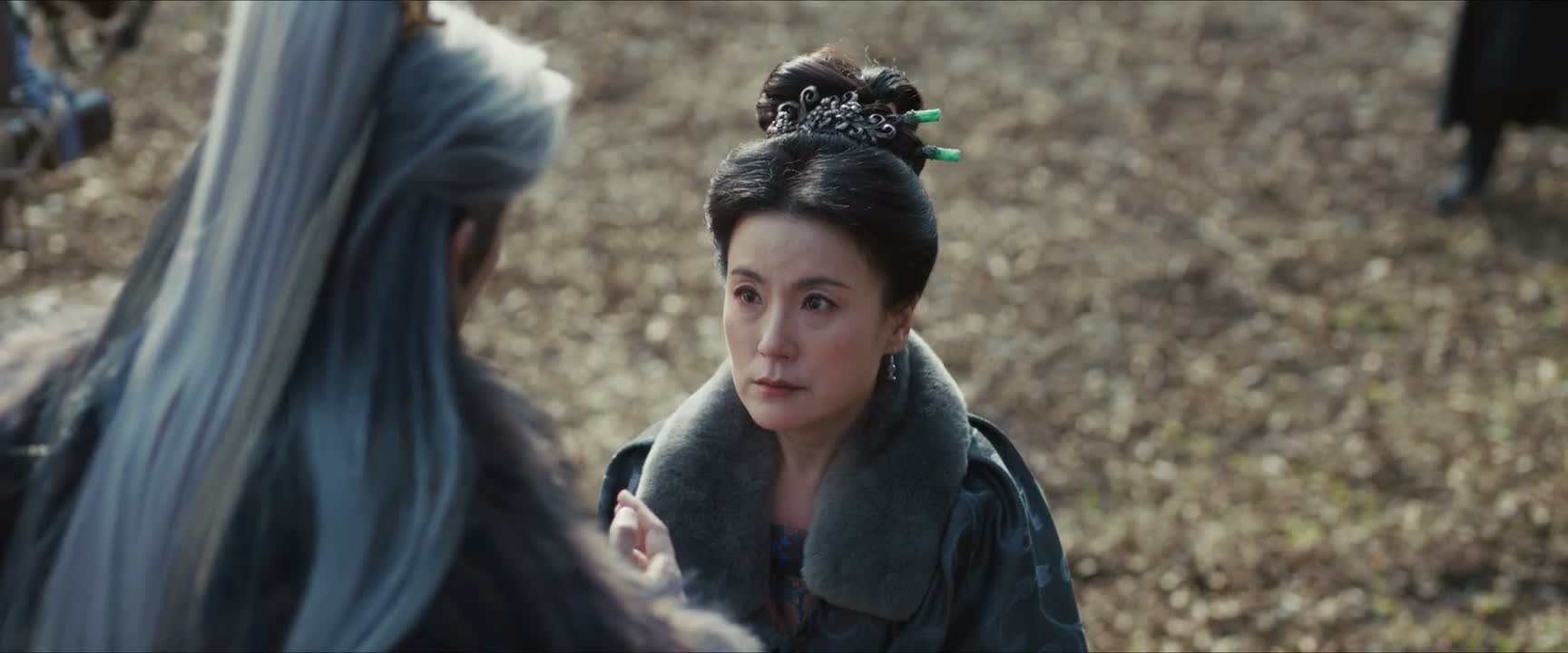
“But I don't want to die yet.”
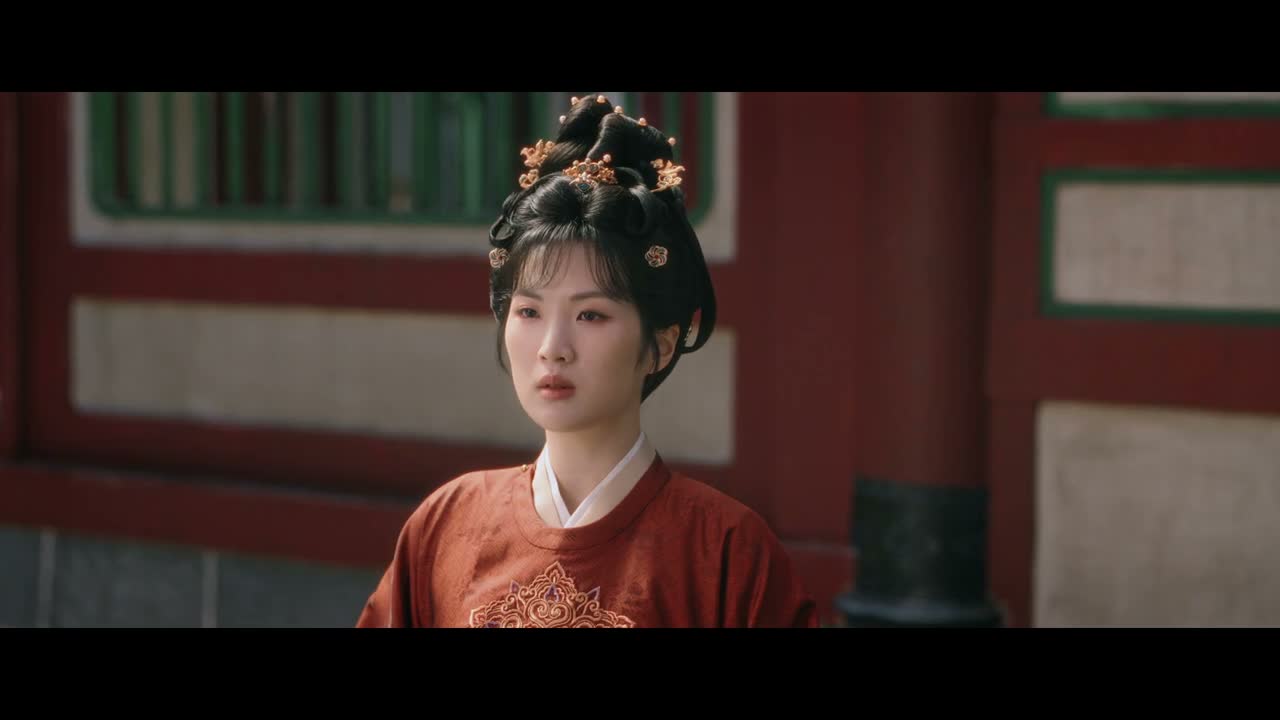
“I don't want to see anyone else die.”
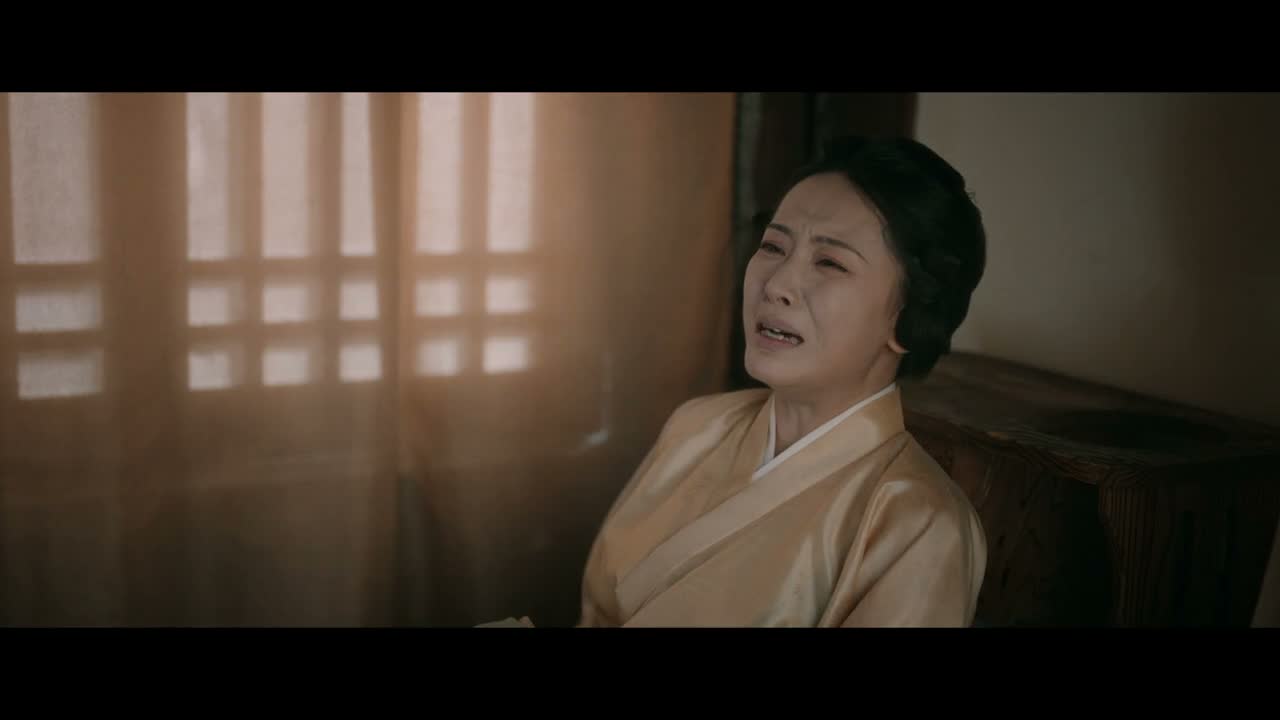
“Your Ladyship, I don't want to die.”

“I don't want to stand by and watch.”

“I don't want to see anyone else die in front of me.”

“It won't kill him, but it'll leave him in misery.”