我儿子去年在雪山出事
“my son had an accident here last year.”
THE DIALOGUE REEL
晏公子
“Mr. Yan,”
我儿子 去年在雪山 出事
“my son had an accident here last year.”
逃回的侍卫说
“The guards who escaped said”
“I am carrying a terrible tragedy, and you are tied to what happened.”
Chinese speakers often prefer vague terms like '出事' over direct mentions of death or severe injury to soften bad news and avoid bad omens.
LEARNING CHUNKS & PARTICLES
to have an accident; to meet with misfortune
A very common euphemistic verb phrase used to describe mishaps, injuries, or fatal accidents without being overly graphic.
VOCABULARY & EXPRESSIONS
Parallel Spoken Cinema Scenes (语义近邻切片)

“He once risked his life to save me.”

“He couldn't let you gamble your life alone.”
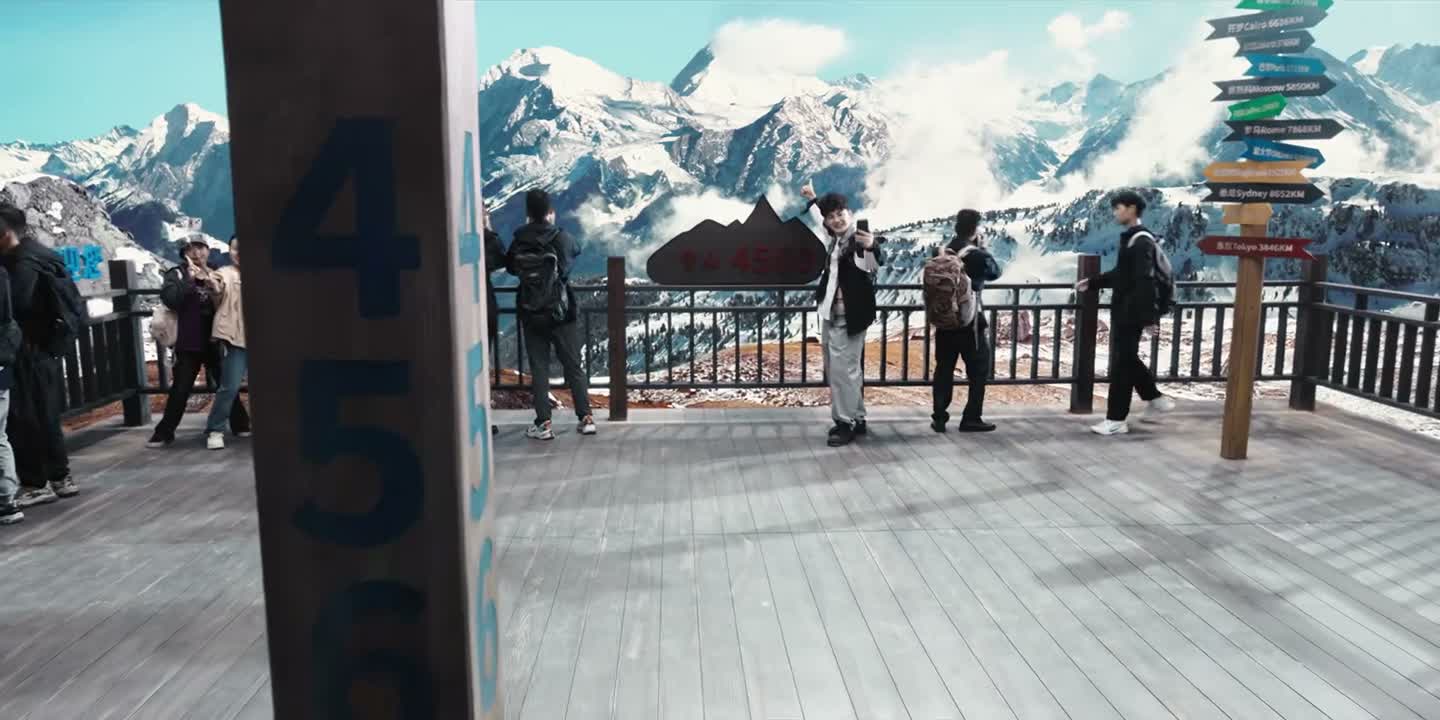
“I skipped school to go to a snow mountain without telling Mom.”

“My son could be saved.”

“and I nearly fell off a cliff to my death.”
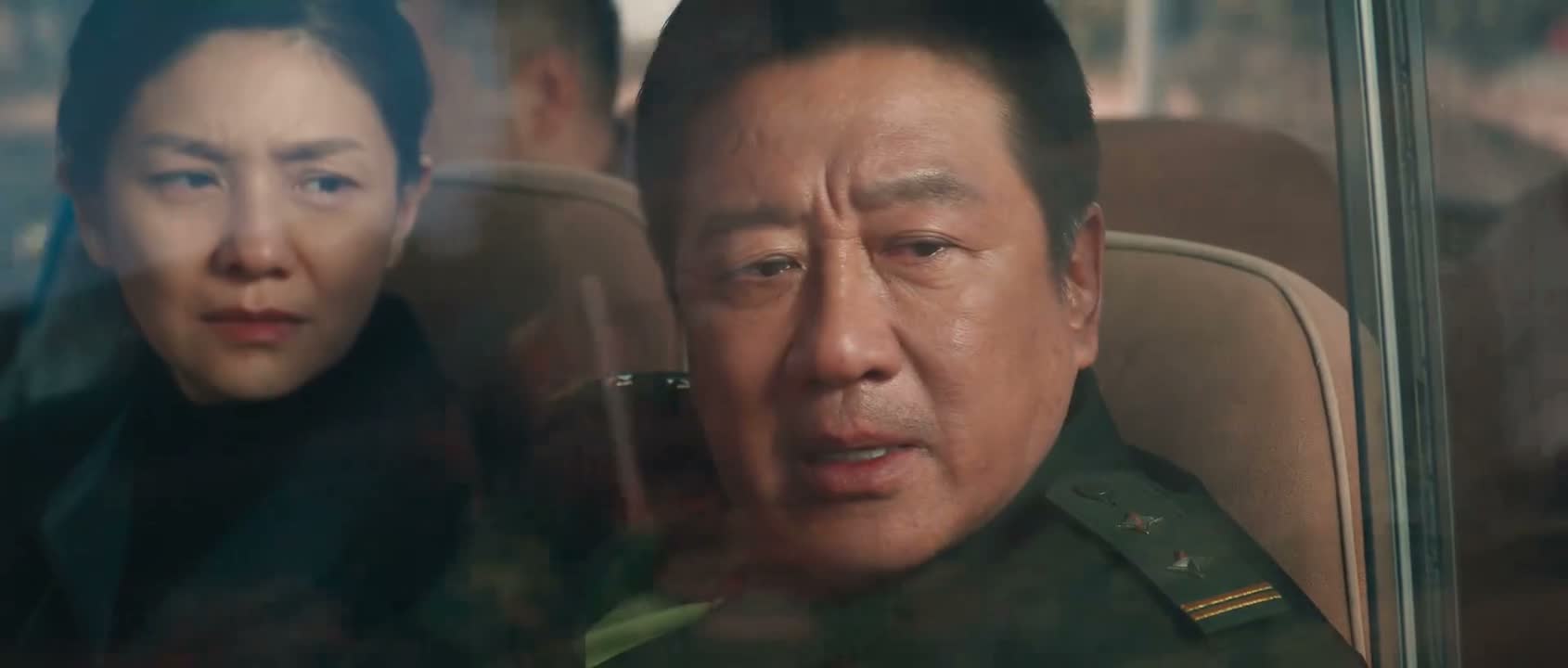
“I won't even be able to save my own son.”