你是嫌你爹丢人丢得不够啊
“Do you think I haven't been embarrassed enough?”
THE DIALOGUE REEL
“and hung out with that girl from their eighth branch.”
你是嫌你爹 丢人 丢得 不够 啊
“Do you think I haven't been embarrassed enough?”
爹 我不想回京城 也不想考功名 混账 爹
“Father, I don't want to return to the Capital, nor do I want to take the imperial exams. How dare you! Father.”
“Stop this reckless behavior; you are ruining my reputation!”
In traditional patriarchal Chinese culture, a child's public missteps directly stain the father's moral standing and social standing.
LEARNING CHUNKS & PARTICLES
to lose face / to disgrace oneself
A common colloquial phrase used to indicate embarrassment or bringing shame upon someone.
to think that ... is not enough
Used rhetorically to rebuke someone who appears to be making an already bad situation worse.
Adds emotional intensity and sharpness to an accusatory rhetorical question.
VOCABULARY & EXPRESSIONS
Parallel Spoken Cinema Scenes (语义近邻切片)

“Do you think I haven't been embarrassed enough? Young Master.”
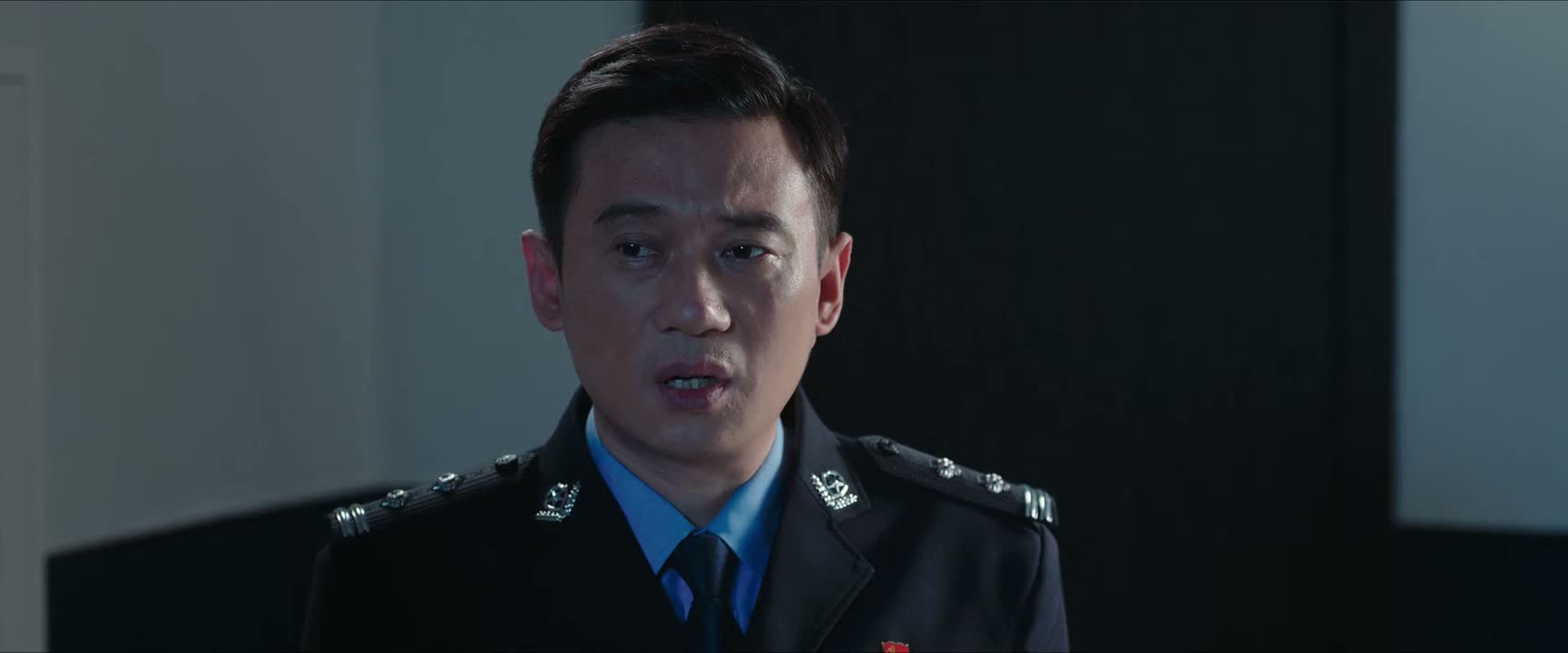
“Haven't you embarrassed yourself enough?”

“child. Doing this shames your dad.”