MC
MandarinClips Cinema Corpus
《The Heir》 S1·E1 (25:23) HSK 7
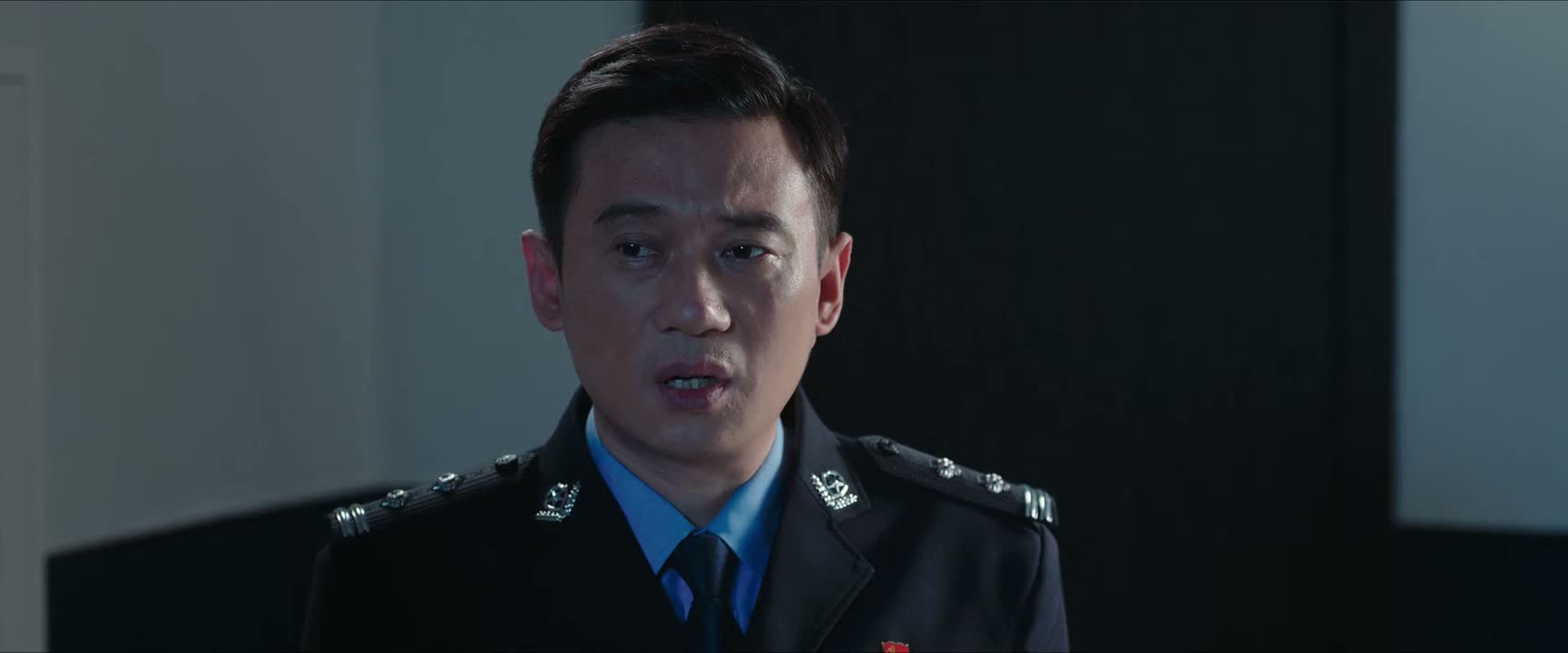
nǐ shì xián nǐ diē diū rén diū dé bù gòu a shào yé

你是嫌你爹丢人丢得不够啊 少爷

“Do you think I haven't been embarrassed enough? Young Master.”

《The Heir》 S1·E1
TIMECODE: 25:23 · 1080P MASTER AUDIO

THE DIALOGUE REEL

1+1+1 SPOKEN CONTINUITY
[-1] PREVIOUS TURN yǔ nà bā fáng de yā tou hùn zài yì qǐ

“to hang out with that girl from the Eighth Branch.”

nǐ shì xián nǐ diē diū rén diū dé bù gòu a shào yé CURRENT FOCUS

你是嫌你爹 丢人 丢得 不够 啊 少爷

“Do you think I haven't been embarrassed enough? Young Master.”

[+1] FOLLOW-UP TURN jīn rì zhōng qiū wǒ qiáo wài miàn rè nào xiǎng chū qù kàn kàn

今日中秋 我瞧外面热闹 想出去看看

“It's the Mid-Autumn Festival today. It looked lively outside, so I wanted to take a look.”

Subtitles synced to millisecond timecode Browse Show Clips →
Scene: Family & Home
Function: SCOLDING AND REPROACHING
Tone: SARCASTIC
Emotion: ANGER
WHAT THEY REALLY MEAN (PRAGMATIC SUBTEXT)
“Know your place and stop embarrassing your father.”
💡 Cultural Insight: Mianzi and Family Honor

In traditional Chinese families, an individual child's disreputable conduct directly threatens the collective face and social standing of the entire clan.

INTENT TAGS: #reproaching #face_saving #sarcasm #disciplining
🧩

LEARNING CHUNKS & PARTICLES

2 CHUNKS · 1 PARTICLES
丢人 SPOKEN CHUNK

to lose face; to disgrace oneself

A very common colloquial term used when someone's behavior brings embarrassment or public shame.

嫌 SPOKEN CHUNK

to complain that; to find fault with

Used in rhetorical questions like '嫌...不够' to imply someone is greedily or recklessly overdoing a bad behavior.

Modal Particle「啊」 (a) CHANGE OF STATE

Heightens the rhetorical, reprimanding force of the question.

🏮

VOCABULARY & EXPRESSIONS

3 EXPR · 0 GRAMMAR
CROSS-CINEMA CORPUS BOARD · PARALLEL SCENES

Parallel Spoken Cinema Scenes (语义近邻切片)

EXPLORE BY SEMANTIC SIMILARITY
《The Heir》 S1·E1 (25:23) · Authentic Cinema Dialogue Corpus