没有孩子 而且人家不介意 我是说
“has no children, and he doesn't mind it. I mean,”
THE DIALOGUE REEL
我女儿已经十一岁了 人家男方没有结过婚
“My daughter is already ten years old. He has never been married,”
没有 孩子 而且 人家 不介意 我是说
“has no children, and he doesn't mind it. I mean,”
我现在这个年龄
“at my age,”
“Finding a bachelor who accepts a divorced mother like me is rare, so take this seriously.”
In traditional Chinese matchmaking, bringing a child into a second marriage is often considered a major disadvantage, making a bachelor's willingness to accept it a notable selling point.
LEARNING CHUNKS & PARTICLES
they don't mind / the other party does not care
Use '人家' as a polite third-person pronoun referring to a specific party outside the conversation to emphasize their generosity or stance.
what I mean is / I am saying
Common spoken filler and discourse marker used to clarify one's point or soften an explanation.
VOCABULARY & EXPRESSIONS
Parallel Spoken Cinema Scenes (语义近邻切片)

“It's a good thing we don't have kids.”

“have a wife and children at home?”

“At least you two don't have children.”
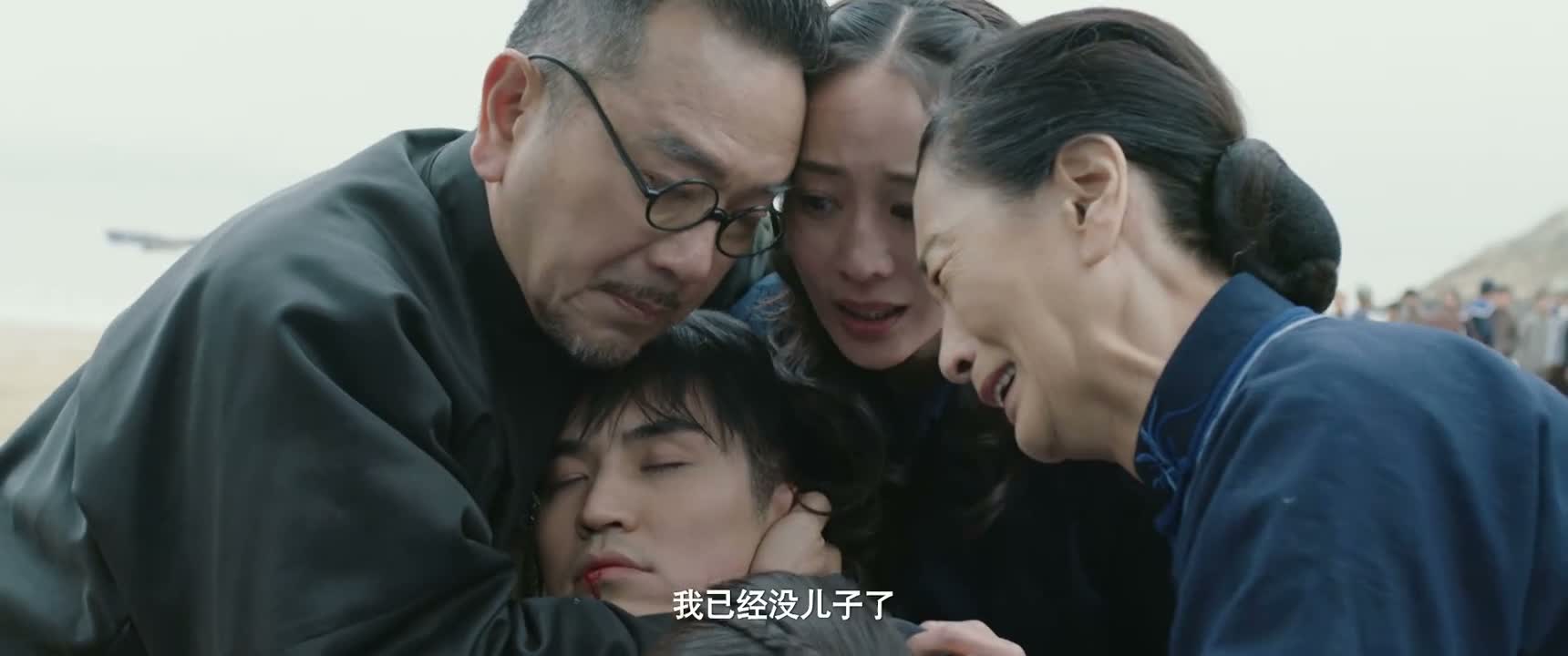
“I've already lost a son.”

“It's not about my son. It's something else.”

“Because at least, he didn't beat the kid.”