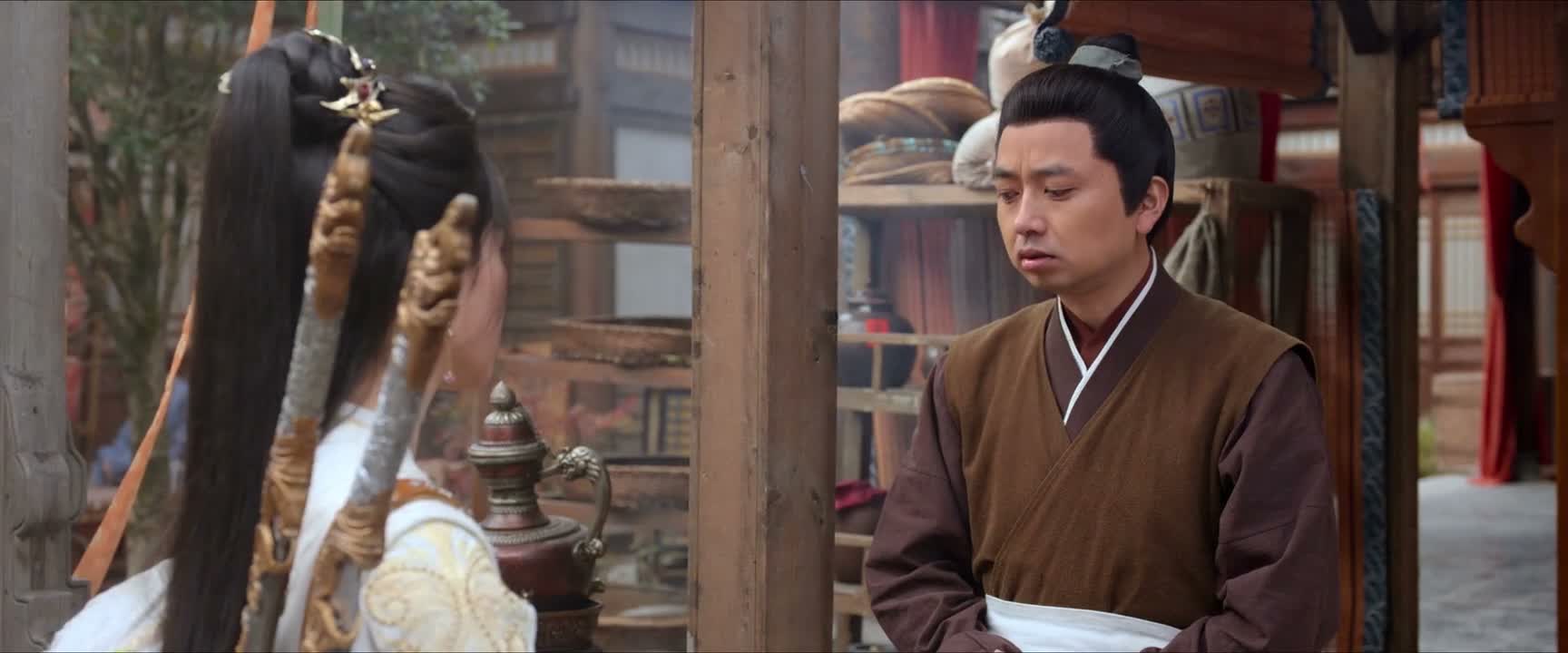
《The Truth》 S1·E14 (35:51)
HSK 4
nà gǎi méi gǎi wǒ jiù bù zhī dào le
那改没改我就不知道了
“I don't know whether it was changed.”
《The Truth》
S1·E14
TIMECODE: 35:51
·
1080P MASTER AUDIO
THE DIALOGUE REEL
[-1] PREVIOUS TURN
yǐ qián shì zhè ge hào mǎ
以前是这个号码
“It used to be this combination.”
nà gǎi méi gǎi wǒ jiù bù zhī dào le
CURRENT FOCUS
那 改没改 我就不 知道了
“I don't know whether it was changed.”
[+1] FOLLOW-UP TURN
zhè zhǒng bǎo xiǎn guì a kěn dìng huì yǒu bèi yòng yào shi
“Safes like this always have spare keys.”
Subtitles synced to millisecond timecode
Browse Show Clips →
Scene:
Daily Life
Function:
DISCLAIMING KNOWLEDGE
Tone:
DEFENSIVE
WHAT THEY REALLY MEAN (PRAGMATIC SUBTEXT)
“Here is what I remember, but do not blame me if it fails.”
💡 Cultural Insight: Avoiding Blame (Daxiao Zerentai)
Chinese speakers often append disclaimers about uncertain information so they cannot be blamed later if things go wrong.
INTENT TAGS:
#disclaiming_knowledge
#hedging
#evading_responsibility
#self_protection
🧩
2 CHUNKS · 1 PARTICLES
LEARNING CHUNKS & PARTICLES
改没改
SPOKEN CHUNK
whether it has been changed or not
An affirmative-negative question form used inside an embedded clause to mean 'whether or not'.
我就不知道了
SPOKEN CHUNK
that, I wouldn't know
A gentle or defensive way to abdicate knowledge or responsibility in spoken Chinese.
Modal Particle「了」 (le)
CHANGE OF STATE
Softens the assertion and marks a realized current state of not knowing.
🏮
3 EXPR · 0 GRAMMAR
VOCABULARY & EXPRESSIONS
COLLOQUIAL EXPRESSIONS:
CROSS-CINEMA CORPUS BOARD · PARALLEL SCENES
EXPLORE BY SEMANTIC SIMILARITY
Parallel Spoken Cinema Scenes (语义近邻切片)


《The Truth》 S1·E14 (35:51) · Authentic Cinema Dialogue Corpus