今天中午 我家里的糌粑 多多吃了
“This afternoon, he ate a lot of my tsampa.”
THE DIALOGUE REEL
他吃饭 可以
“He can eat.”
今天 中午 我家 里的 糌粑 多多吃了
“This afternoon, he ate a lot of my tsampa.”
“No, Aunty. Didn’t we agree not to talk about this?”
“I know we agreed not to bring this up, but look at what actually happened today.”
Tsampa is the dietary staple of Tibetan households; mentioning who ate food without permission touches upon domestic sharing and boundaries between relatives or neighbors.
LEARNING CHUNKS & PARTICLES
tsampa (roasted barley flour, a Tibetan staple food)
A cultural loanword used when discussing traditional Tibetan cuisine and household foodstuffs.
Signifies that the action of eating has already occurred and brought about a new state.
VOCABULARY & EXPRESSIONS
Parallel Spoken Cinema Scenes (语义近邻切片)
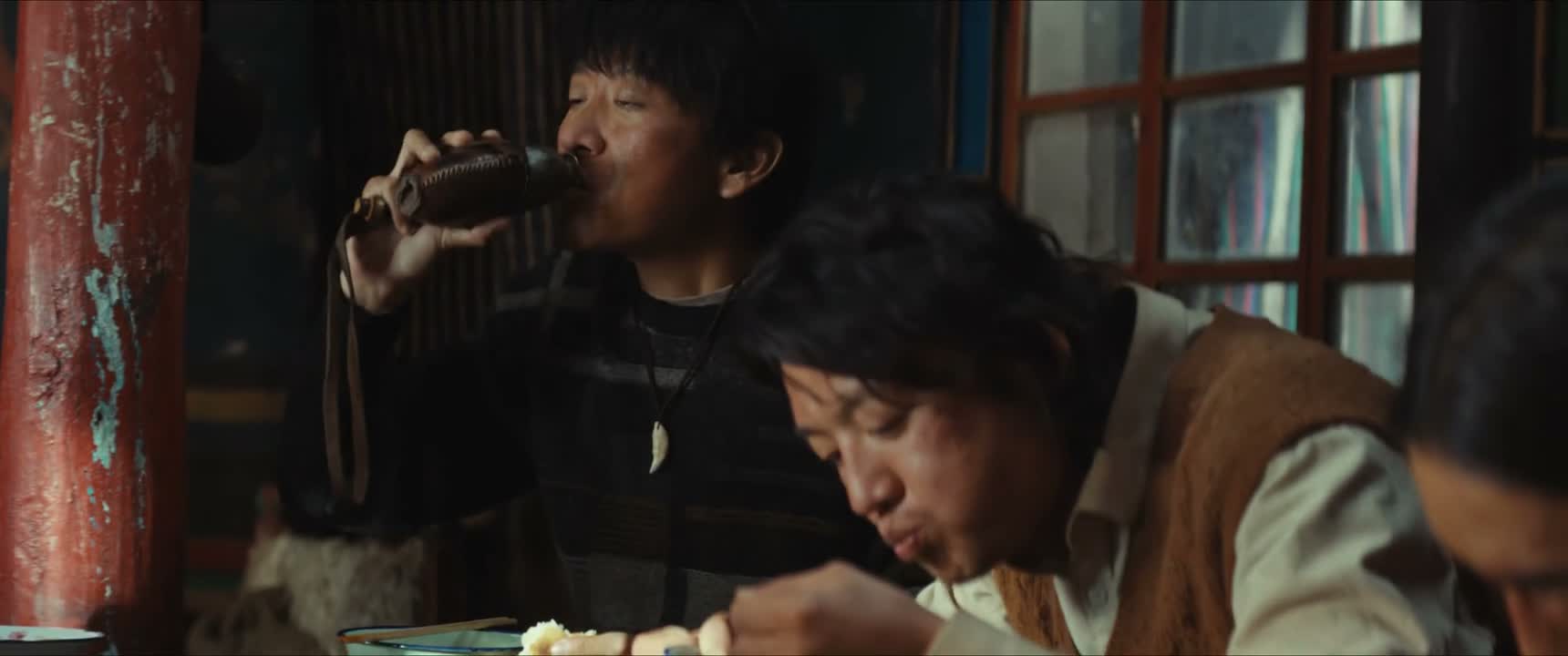
“You can have my tsampa.”

“Stop talking. I'm not talking about the tsampa.”
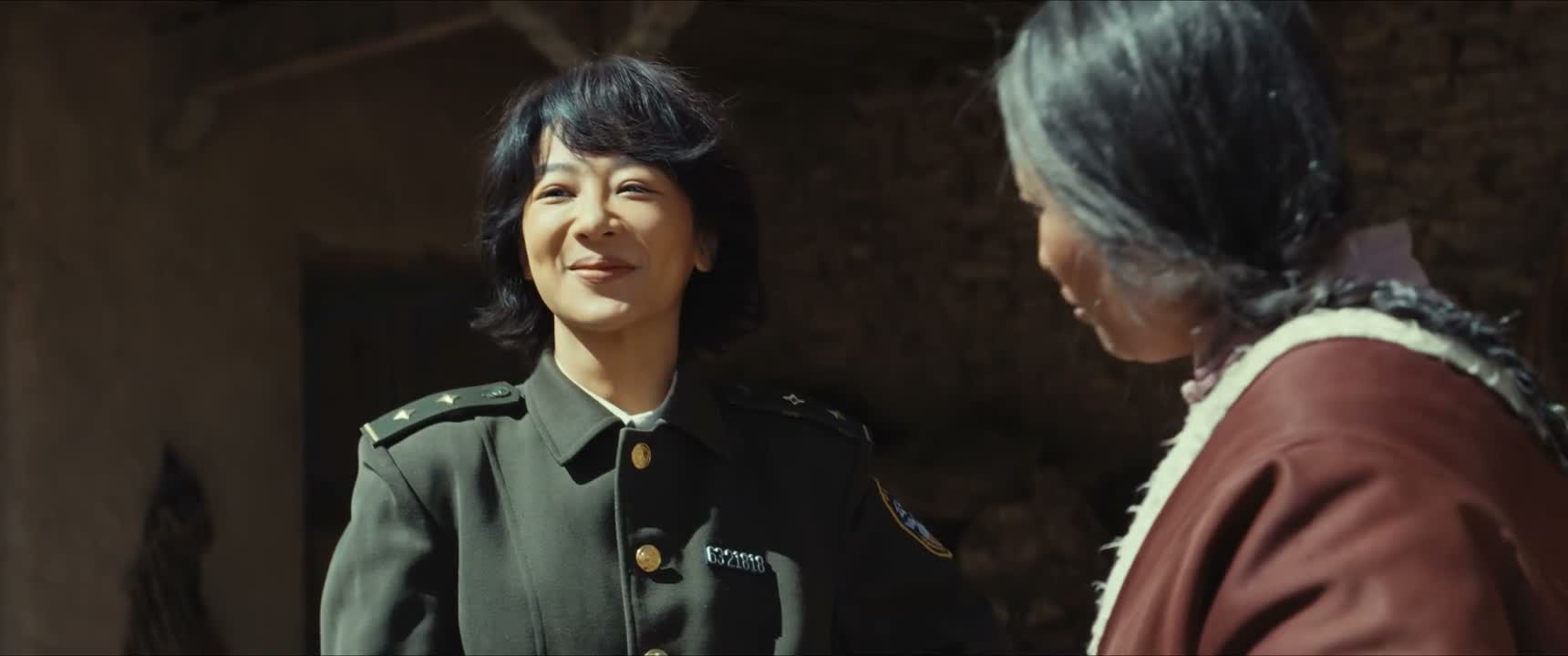
“Eat more tsampa. It's good for your health.”

“Let me remind you. There's a fixed amount of tsampa each person gets every month.”

“Five jin of tsampa a week. Do you think you're the county committee secretary?”

“Zhacuo, could I trouble you to toast this for me?”