不是 阿尼(大婶) 不是说好 不说这事吗
“No, Aunty. Didn’t we agree not to talk about this?”
THE DIALOGUE REEL
“This afternoon, he ate a lot of my tsampa.”
不是 阿尼(大婶) 不是说好 不说这事 吗
“No, Aunty. Didn’t we agree not to talk about this?”
没事的
“It's okay.”
“Please stop talking about this, you promised to keep it between us!”
In Chinese culture, addressing an older woman as 'Auntie' (阿尼 / 大婶) establishes an informal, respectful, and familial rapport even between non-relatives.
LEARNING CHUNKS & PARTICLES
didn't we agree / wasn't it agreed that
Used to express mild grievance or surprise when someone breaks a mutual verbal promise or consensus.
Marks a rhetorical question to prompt the listener to recall and uphold their previous commitment.
VOCABULARY & EXPRESSIONS
Parallel Spoken Cinema Scenes (语义近邻切片)
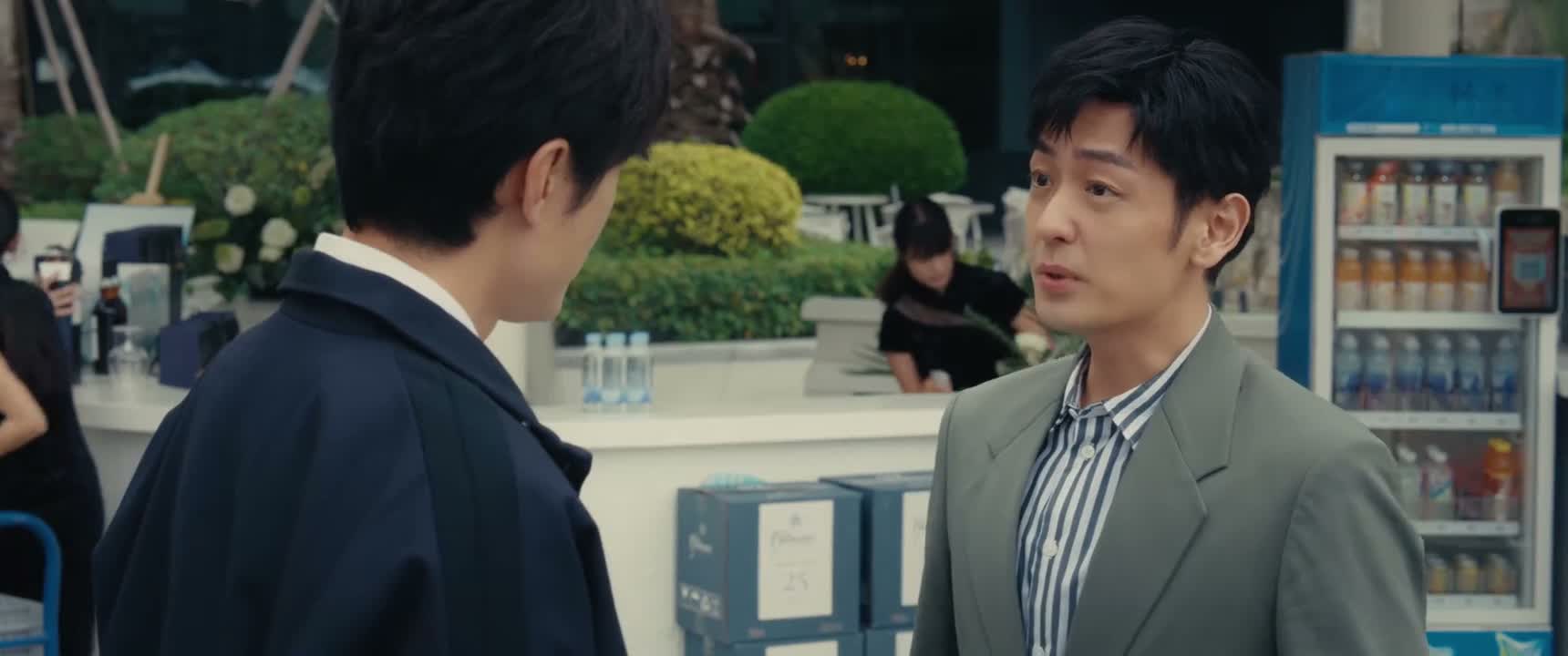
“Wasn't it agreed it would be you?”
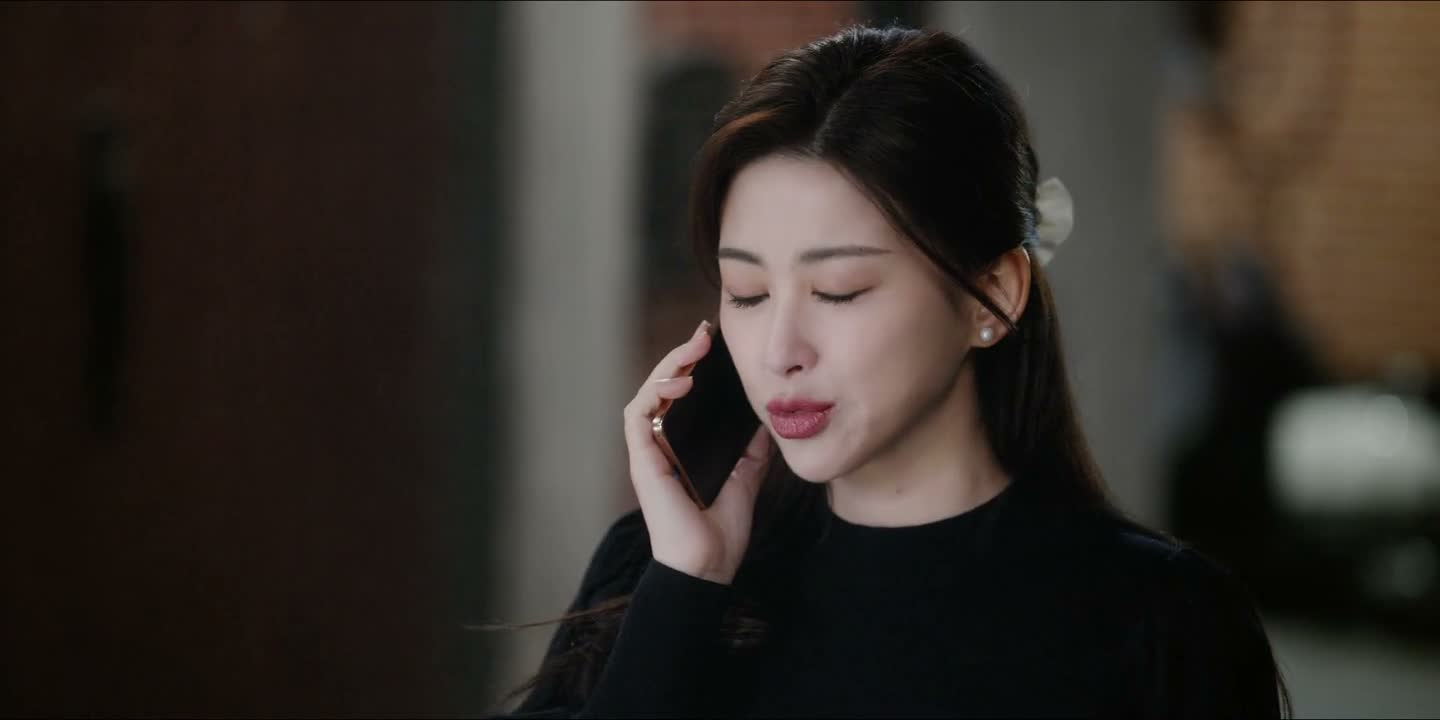
“Well, didn't we agree before?”

“And what if it isn't? If it isn't, good.”
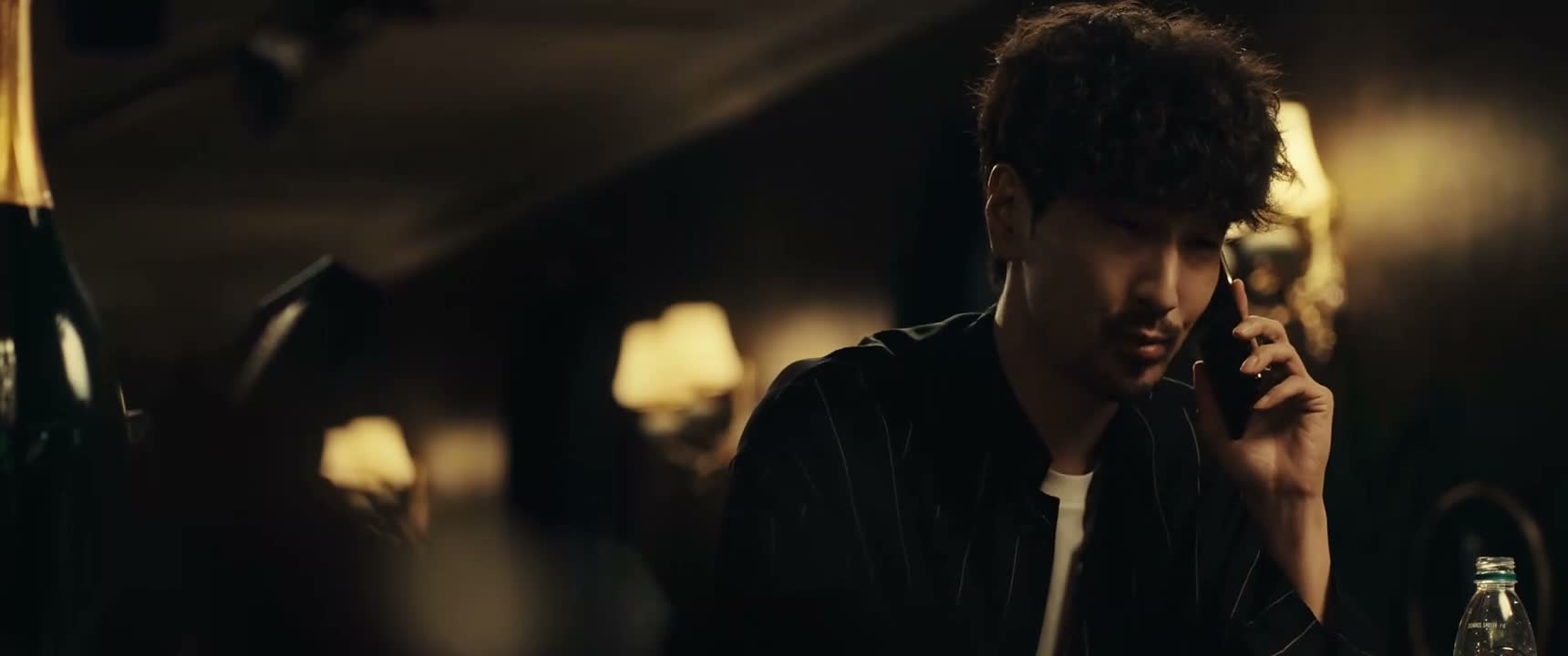
“Well, if it's not, just say so. Why are you reacting so strongly? What else am I supposed to think?”
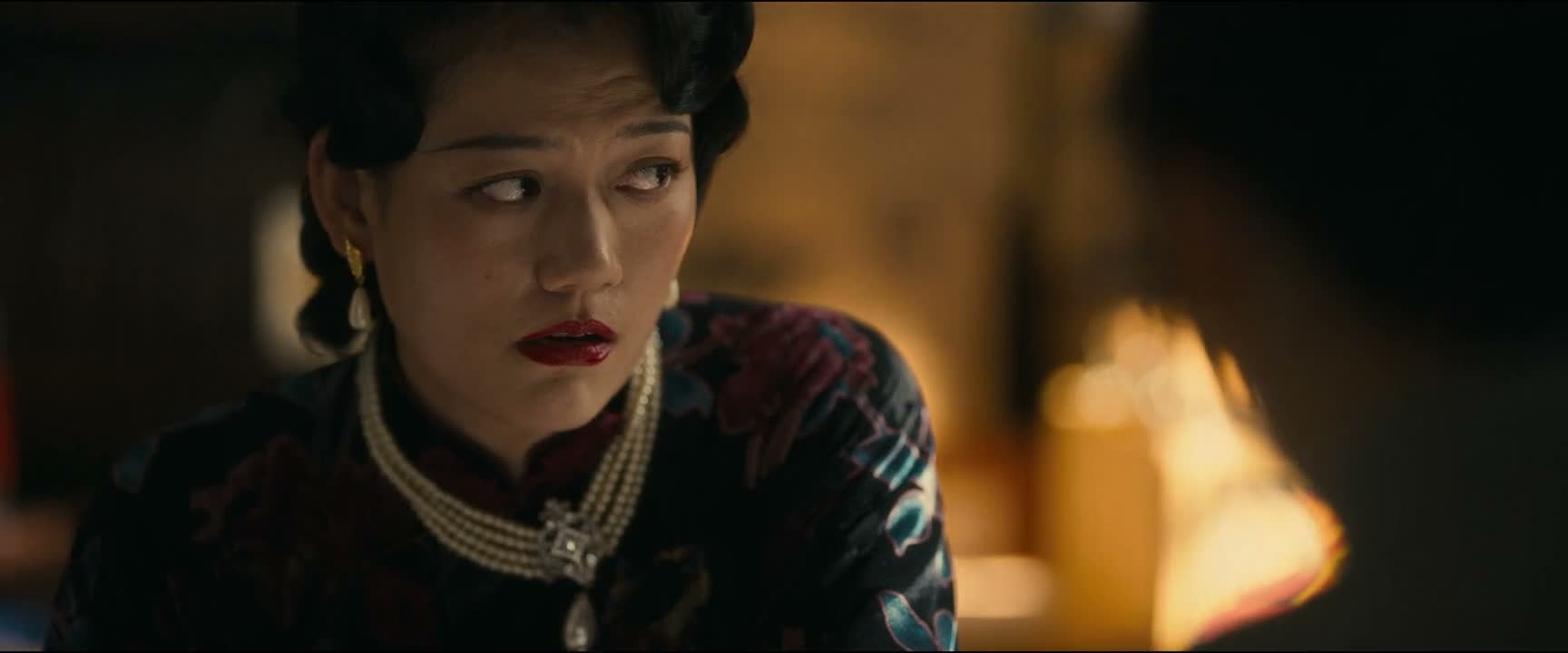
“Hey. Why are you guarding against Sister-in-law?”

“Definitely.”