MC
MandarinClips Cinema Corpus
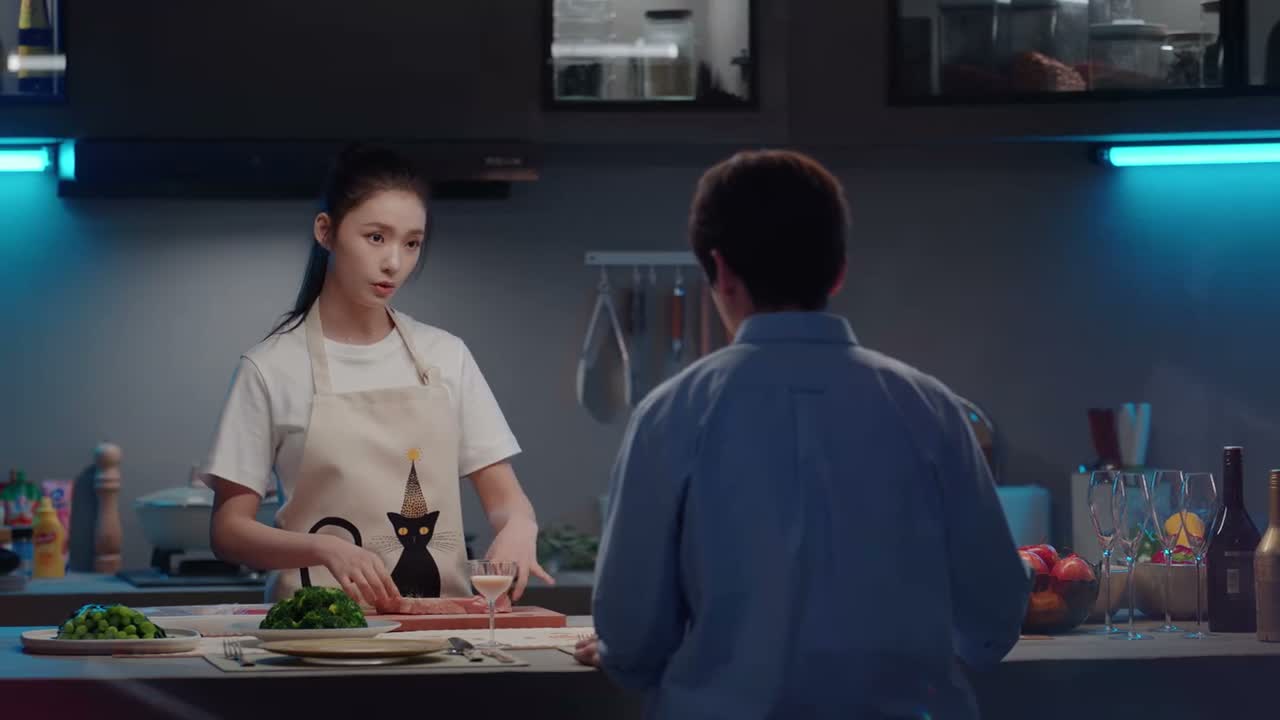
《How Dare You!?》 S1·E24 (31:59) HSK 3
ér qiě nǐ gāng gāng bú shì wán dé hěn kāi xīn ma

而且你刚刚不是玩得很开心吗

“Besides, weren't you having fun just now?”

《How Dare You!?》 S1·E24
TIMECODE: 31:59 · 1080P MASTER AUDIO

THE DIALOGUE REEL

1+1+1 SPOKEN CONTINUITY
[-1] PREVIOUS TURN yǔ mín tóng lè cái shì hǎo huáng dì ma

“A good emperor enjoys time with his people.”

ér qiě nǐ gāng gāng bú shì wán dé hěn kāi xīn ma CURRENT FOCUS

而且你刚刚 不是 玩得很开心 吗

“Besides, weren't you having fun just now?”

[+1] FOLLOW-UP TURN xiāo tài yī shuō le ràng nǐ shì liàng yùn dòng wǒ zhè kě dōu shì wèi le nǐ hǎo

萧太医说了让你适量运动 我这可都是为了你好

“Physician Xiao said you need moderate exercise. I was doing this for your own good.”

Subtitles synced to millisecond timecode Browse Show Clips →
Scene: Historical & Court
Function: PLAYFUL REFUTATION
Tone: TEASING
Emotion: PLAYFULNESS
WHAT THEY REALLY MEAN (PRAGMATIC SUBTEXT)
“Don't pretend you hated it; you were clearly having a great time.”
💡 Cultural Insight: Playful Defiance in Palace Dynamics

Teasing an emperor or superior about their hidden enjoyment shows exceptional intimacy and psychological rapport, momentarily softening court hierarchy.

INTENT TAGS: #teasing #rhetorical_question #playful_defense #justification
🧩

LEARNING CHUNKS & PARTICLES

2 CHUNKS · 1 PARTICLES
不是……吗 SPOKEN CHUNK

isn't it...?; weren't you...?

A classic rhetorical pattern used to seek affirmation or challenge the listener's denial based on obvious evidence.

玩得很开心 SPOKEN CHUNK

to have a great time; to enjoy playing

A standard descriptive complement structure used to describe having fun.

Modal Particle「吗」 (ma) CHANGE OF STATE

Marks a rhetorical question to demand confirmation of something the speaker considers obvious.

🏮

VOCABULARY & EXPRESSIONS

2 EXPR · 2 GRAMMAR
CROSS-CINEMA CORPUS BOARD · PARALLEL SCENES

Parallel Spoken Cinema Scenes (语义近邻切片)

EXPLORE BY SEMANTIC SIMILARITY
《How Dare You!?》 S1·E24 (31:59) · Authentic Cinema Dialogue Corpus