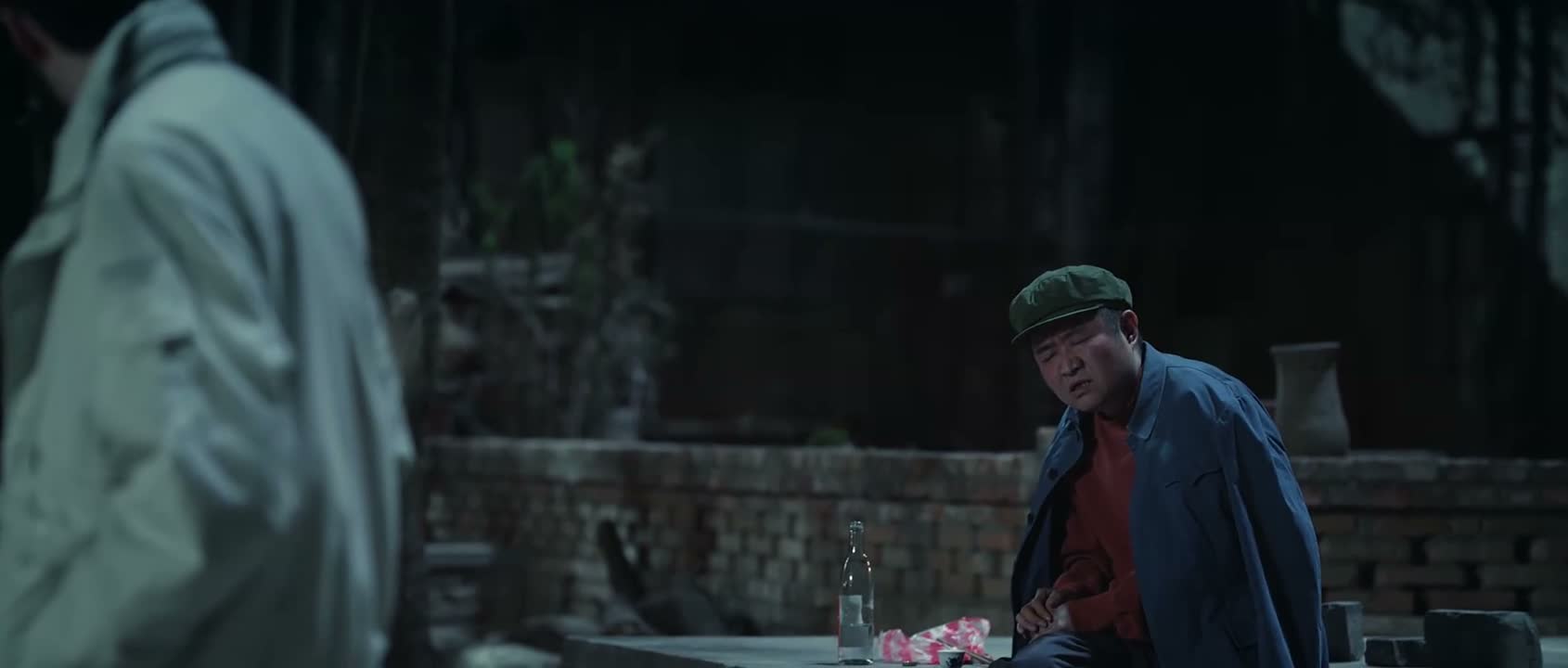
你咋不练功呢 还在这儿洗菜呢 对啊
“Why aren't you training? Why wash veg here? Yeah.”
THE DIALOGUE REEL
易青娥 易青娥
“Yi Qing'e! Yi Qing'e!”
你咋不 练功 呢 还在 这儿 洗菜 呢 对啊
“Why aren't you training? Why wash veg here? Yeah.”
“You know what? You were amazing on stage last time.”
“You should be on stage or rehearsing, why are you wasting your time doing menial chores?”
In traditional Chinese opera troupes, junior or marginalized performers are often burdened with daily menial labor instead of artistic training.
LEARNING CHUNKS & PARTICLES
why not
A highly colloquial northern dialect contraction of 'why don't you', common in informal spoken Chinese.
to practice basic training or acrobatic skills
Specifically refers to disciplined daily physical training for actors, martial artists, or performers.
Softens the interrogative question and indicates curiosity about an ongoing state.
VOCABULARY & EXPRESSIONS
Parallel Spoken Cinema Scenes (语义近邻切片)

“I'd rather spend this time training.”

“You can slack off instead of practicing.”
“Where did you go instead of practicing?”