宋时俊怕是要成为活死人了
“Song Shijun may become a living corpse.”
THE DIALOGUE REEL
再这样下去
“If this continues,”
宋 时 俊 怕是要成为活死人了
“Song Shijun may become a living corpse.”
那有法子吗
“Is there any way to cure it?”
Direct spoken expression in this communicative setting.
Before modern medical terminology like 'vegetative state' existed, colloquial and traditional medicine in Chinese used colorful terms like 'living corpse' (huo si ren) to describe patients who are alive but unresponsive.
LEARNING CHUNKS & PARTICLES
I am afraid that... / likely will...
Used to express an apprehensive prediction or assessment that an undesirable outcome is imminent.
a living dead; someone in a persistent vegetative or comatose state
Used metaphorically or clinically in period drama contexts to refer to someone who breathes but lacks consciousness.
Marks an anticipated change of state into a vegetative condition.
VOCABULARY & EXPRESSIONS
Parallel Spoken Cinema Scenes (语义近邻切片)

“Song Shijun isn't dead yet.”
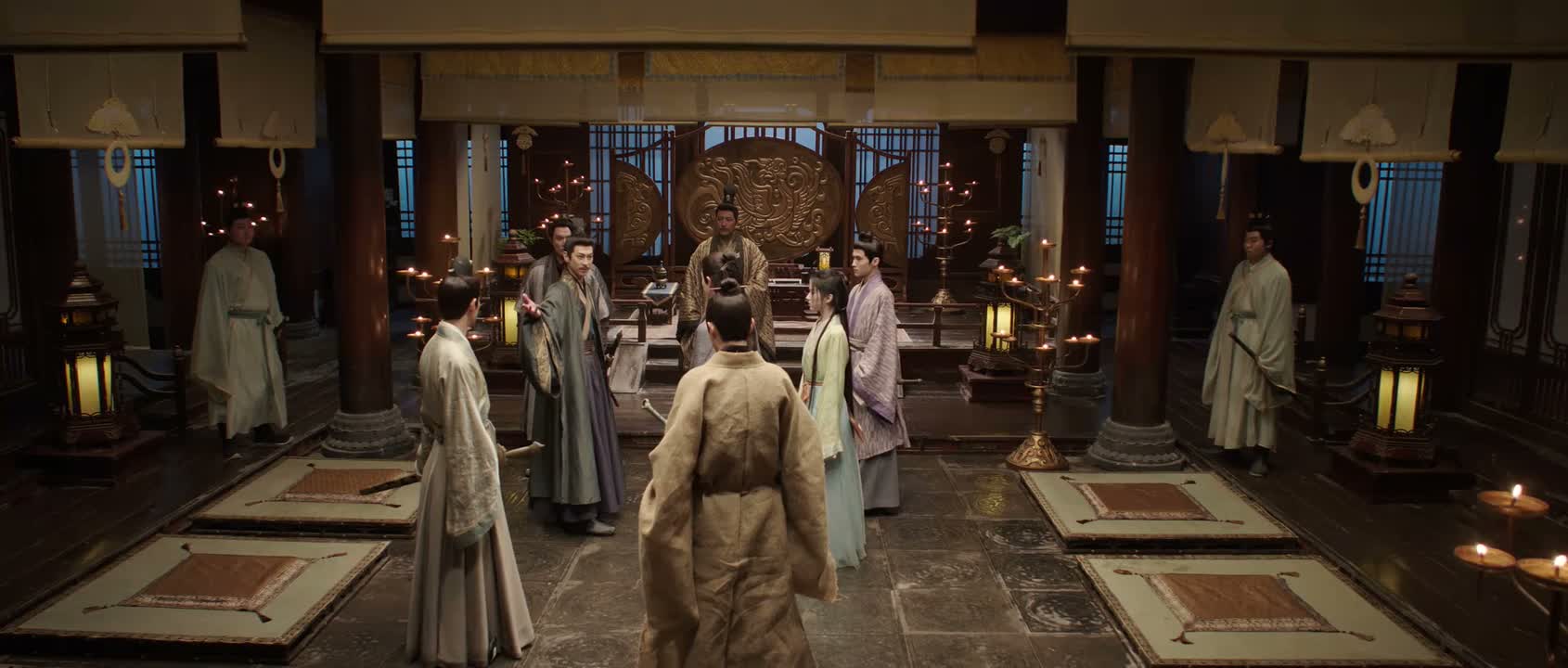
“so Song Shijun tried to silence him.”

“Song Shijun killed the witness.”

“Song Shijun silenced them all,”

“for her son Song Yuzhi,”
“Song Shijun has lost his mind.”