老钱 你要不想玩这个游戏 你就先走
“Mr. Qian. If you don't want to play this game, you can leave first.”
THE DIALOGUE REEL
“I dare you to say that again! And so what if I do?”
老钱 你 要不 想玩 这个 游戏 你就 先走
“Mr. Qian. If you don't want to play this game, you can leave first.”
“We can meet another day. Wang Guangming,”
“Stop ruining the mood for everyone; leave if you're just going to cause trouble.”
Using direct conditional statements like '你要不想...你就...' marks a complete breakdown of polite social harmony when someone ruins a collective group activity.
LEARNING CHUNKS & PARTICLES
if you don't feel like / if you don't want to
A spoken conditional clause used to set up a blunt choice or consequence based on another person's apparent reluctance.
then you can just leave first
Direct and potentially dismissive phrase telling someone they are welcome to exit.
VOCABULARY & EXPRESSIONS
Parallel Spoken Cinema Scenes (语义近邻切片)

“Qian, you're not young anymore.”

“- Qian! - Qian! - Press forward without hesitation! - Press forward without hesitation!”
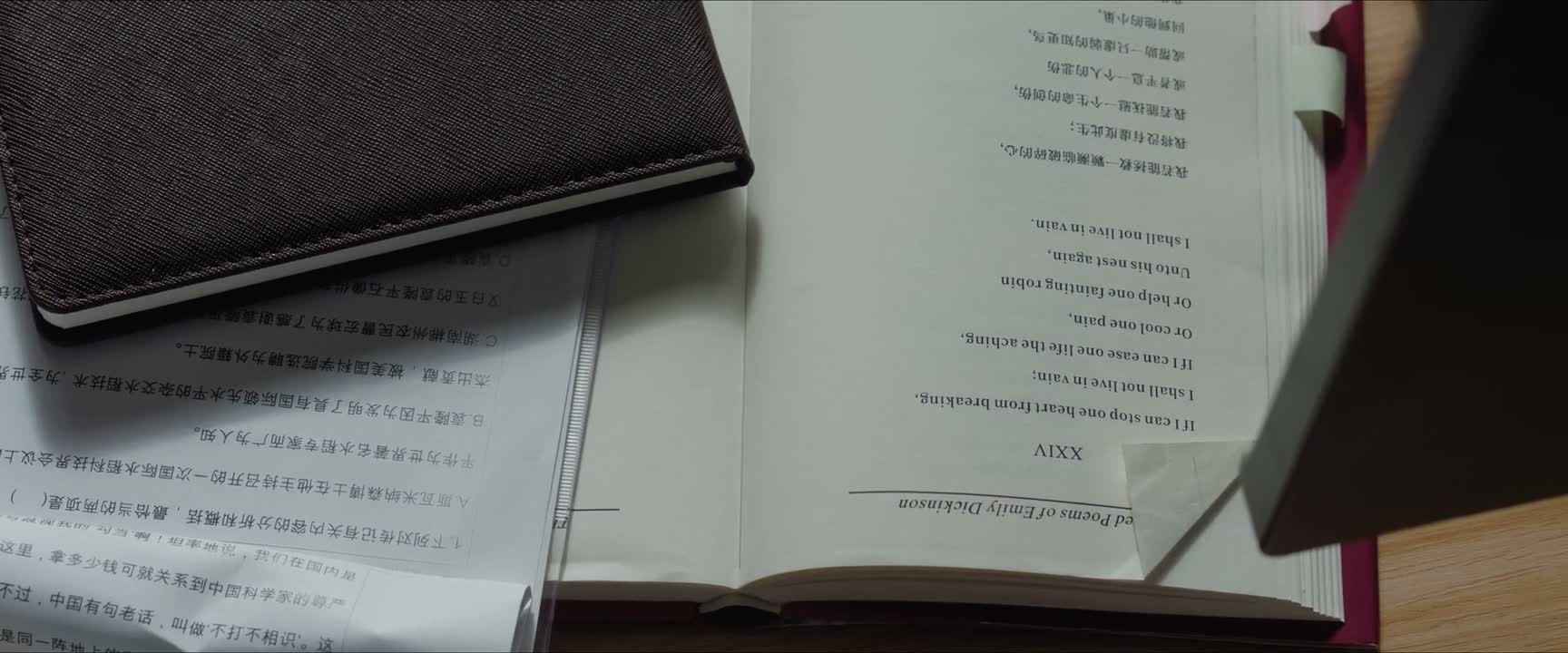
“[then I will not have lived this life in vain.] So Qian also reads poems?”

“Alright, I have both a son and a daughter now.”

“But don't worry. The Qian family is shrewd and tightfisted.”

“Where did Mr. Qian go?”