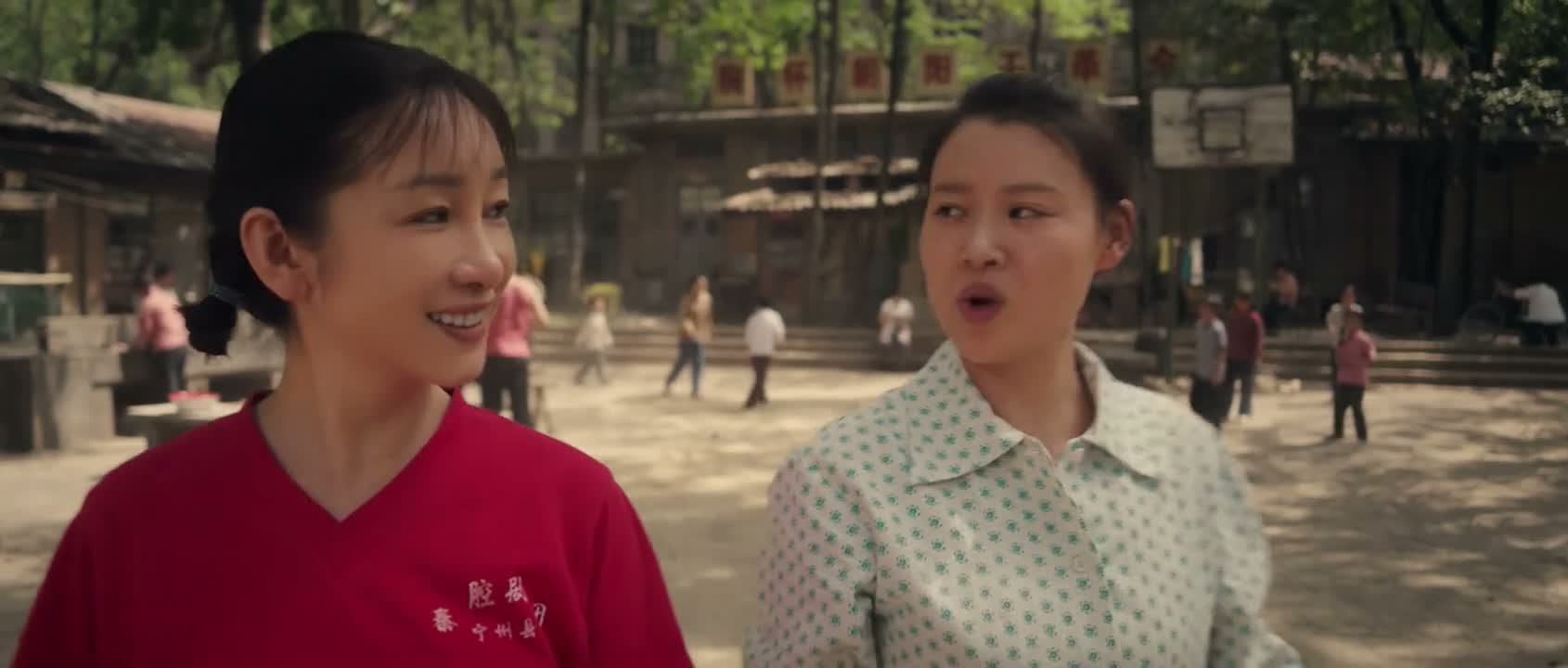
我才是 攀上工人阶级高枝的那个人
“I'm the one who married up into the working class.”
THE DIALOGUE REEL
你这话说得不对啊
“that's not quite right.”
我才是 攀上 工人阶级 高枝 的 那个 人
“I'm the one who married up into the working class.”
算了
“Forget it.”
“You didn't marry down; I'm actually the lucky one who got to be with someone as upright and worthy as you.”
In socialist historical contexts, the working class held the highest political honor, subverting traditional intellectual elitism; framing marriage to a worker as 'climbing up' playfully honors that legacy.
LEARNING CHUNKS & PARTICLES
to marry or associate above one's social station; to social-climb
Usually carries a derogatory connotation of opportunism, but here used playfully and self-deprecatingly to flatter the partner.
the working class
A socio-political term carrying historical prestige and ideological honor in modern Chinese discourse.
VOCABULARY & EXPRESSIONS
Parallel Spoken Cinema Scenes (语义近邻切片)

“Turns out you found someone better.”

“if he can really marry into the family.”

“finally climbed up high, and now the branch is snapping.”
“No way, I wouldn't aim that high.”

“The powerful backer he latched onto is Zhuling Group.”

“that you belittle the working class! Mom, please stop! It hurts!”