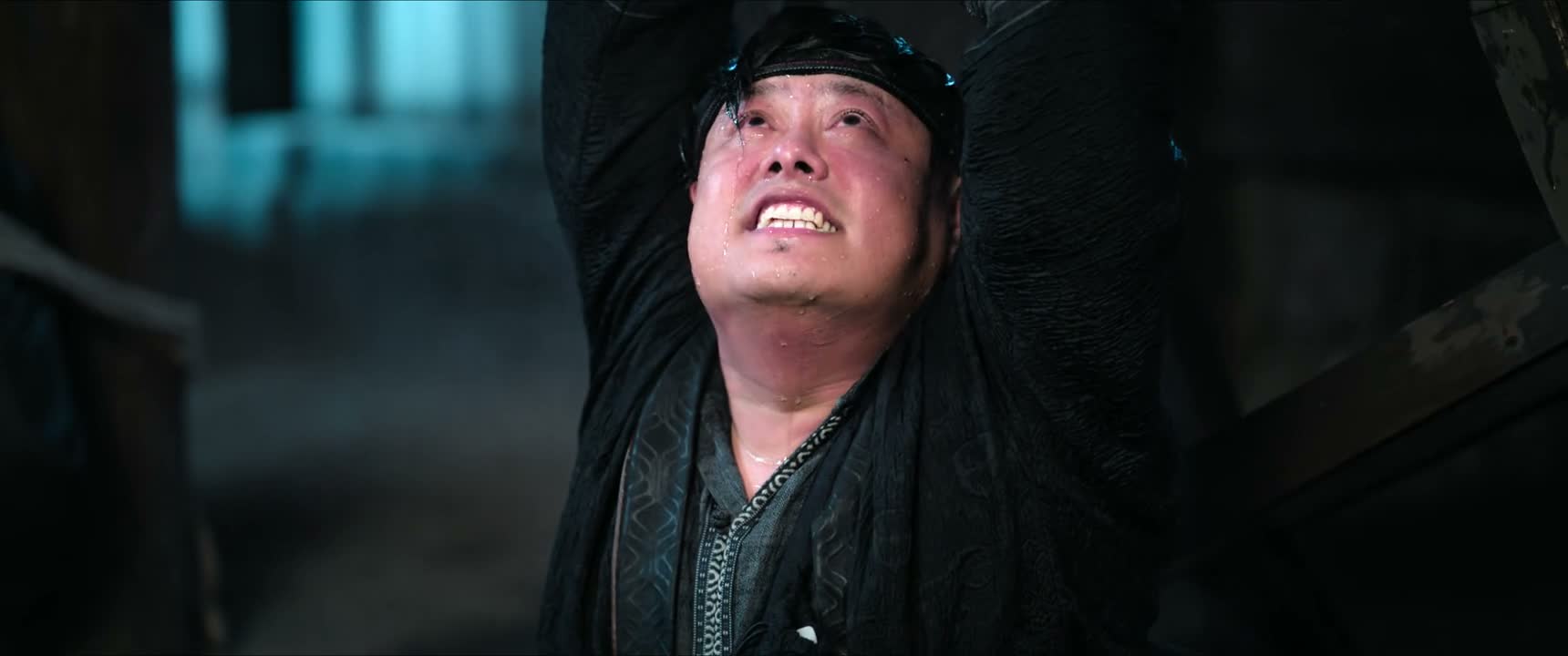
《COURT!》 S1·E2 (37:30)
HSK 7
nǐ de suǒ zuò suǒ wéi zhí de wǒ xiāng xìn ma
你的所作所为值得我相信吗
“With what you've done, why should I believe you?”
《COURT!》
S1·E2
TIMECODE: 37:30
·
1080P MASTER AUDIO
THE DIALOGUE REEL
[-1] PREVIOUS TURN
wǒ dāng shì rén tā shì zhēn de bù xiǎng fēn kāi
我当事人她是真的不想分开
“My client truly doesn't want to separate.”
nǐ de suǒ zuò suǒ wéi zhí de wǒ xiāng xìn ma
CURRENT FOCUS
你的 所作所为 值得 我相信 吗
“With what you've done, why should I believe you?”
[+1] FOLLOW-UP TURN
wǒ zài gēn nǐ shuō yī biàn
我再跟你说一遍
“Let me say it again.”
Subtitles synced to millisecond timecode
Browse Show Clips →
Scene:
Legal & Police
Function:
CHALLENGING CREDIBILITY
Tone:
SKEPTICAL
Emotion:
DISTRUST
WHAT THEY REALLY MEAN (PRAGMATIC SUBTEXT)
“I know exactly who you are, so stop trying to con me.”
💡 Cultural Insight: Rhetorical Confrontation in Chinese Discourse
Using a rhetorical question with negative character evaluation directly strips the listener of conversational standing, signaling total loss of mutual trust.
INTENT TAGS:
#distrust
#confrontation
#rejection
#skepticism
🧩
2 CHUNKS · 1 PARTICLES
LEARNING CHUNKS & PARTICLES
所作所为
SPOKEN CHUNK
actions; deeds (usually negative)
Commonly used in formal or serious spoken arguments to criticize someone's continuous negative behavior.
值得我相信
SPOKEN CHUNK
worth my trust
Often paired with rhetorical questions to express profound skepticism.
Modal Particle「吗」 (ma)
CHANGE OF STATE
Forms a rhetorical question that functions as a strong negative assertion.
🏮
2 EXPR · 4 GRAMMAR
VOCABULARY & EXPRESSIONS
COLLOQUIAL EXPRESSIONS:
CROSS-CINEMA CORPUS BOARD · PARALLEL SCENES
EXPLORE BY SEMANTIC SIMILARITY
Parallel Spoken Cinema Scenes (语义近邻切片)
《COURT!》 S1·E2 (37:30) · Authentic Cinema Dialogue Corpus