秋娥姐 我先走了 记得锁门 好的 明天见
“Qiu'e, I'm leaving. Remember to lock the door. All right. See you tomorrow.”
THE DIALOGUE REEL
好嘞
“Sure!”
秋娥姐 我先走了 记得 锁门 好的 明天见
“Qiu'e, I'm leaving. Remember to lock the door. All right. See you tomorrow.”
祯娘
“Zhen.”
Direct spoken expression in this communicative setting.
Calling an older female colleague 'Jie' (Sister) fosters a warm, cooperative working environment without being overly formal.
LEARNING CHUNKS & PARTICLES
I am leaving first / I am heading out now
A standard, polite way to announce one's departure when leaving a workplace or gathering before others.
remember to lock the door
A practical reminder often spoken to the last person remaining in a room or shop.
Marks a change of state, indicating the speaker is now initiating the action of leaving.
VOCABULARY & EXPRESSIONS
Parallel Spoken Cinema Scenes (语义近邻切片)

“Take it. I really can't take it, Qiu'e. Excuse me.”

“Liu said she'll come tomorrow morning to process the paperwork.”

“A girl like her deserves nothing less”

“Zhao would rather wait at the door than step inside.”
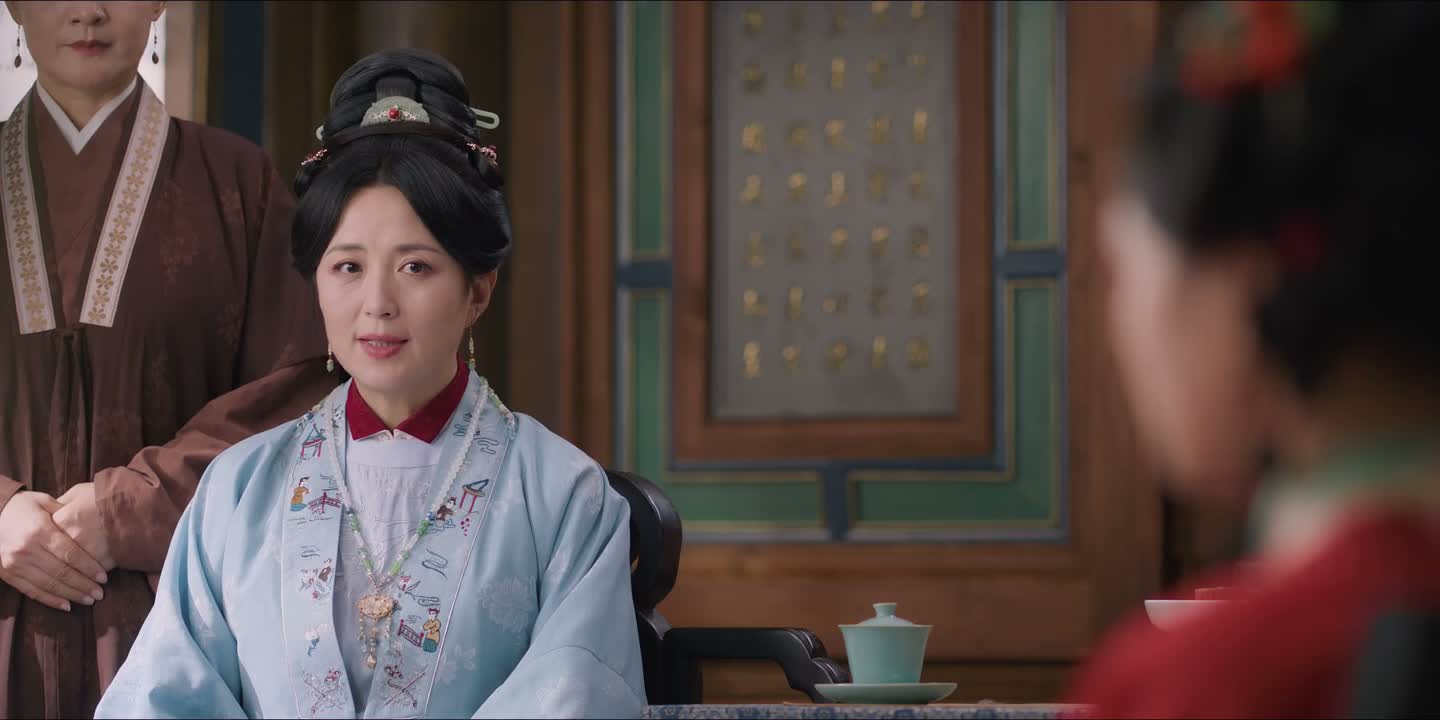
“Jinzhao has already turned fifteen,”
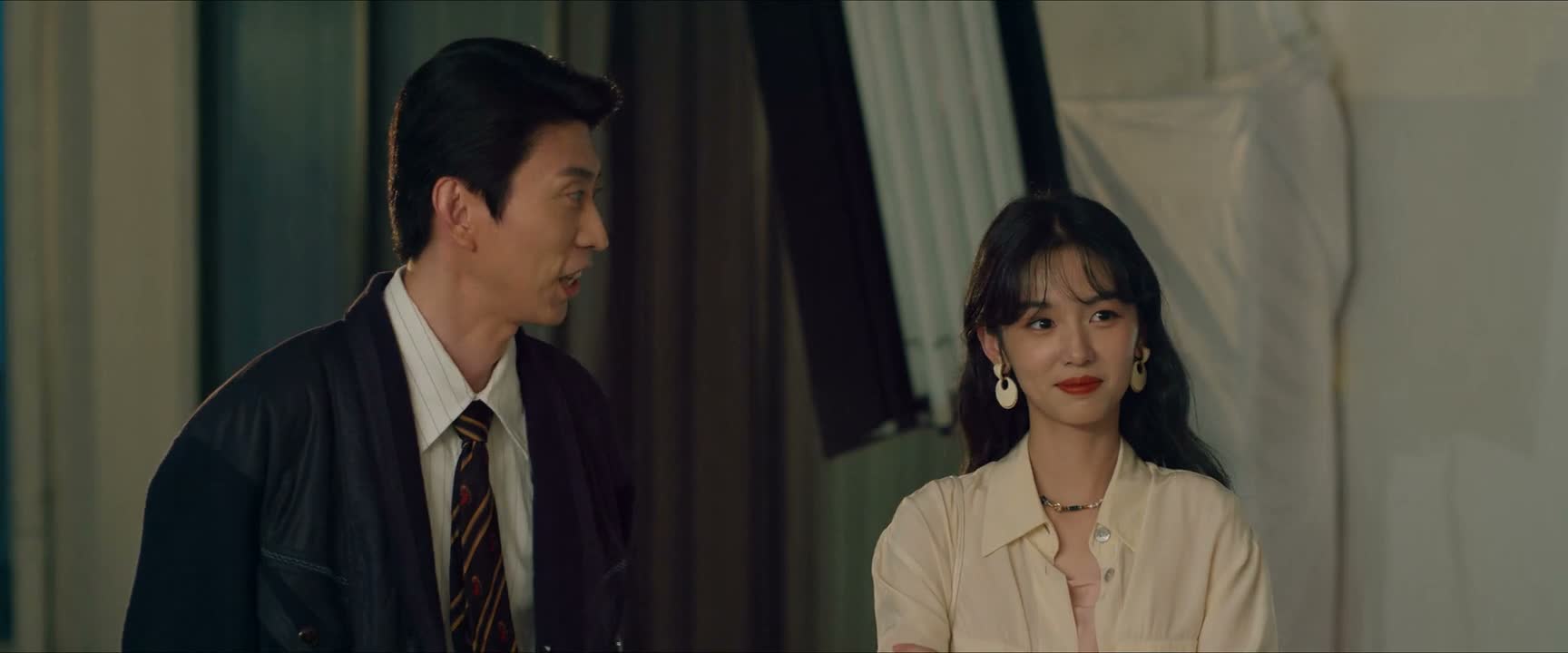
“Xia, you have an eye for talent.”