你现在也是已婚同志啊
“You're a married comrade now too.”
THE DIALOGUE REEL
我
“Me?”
你现在 也是 已婚同志 啊
“You're a married comrade now too.”
对
“Right.”
“You have adult responsibilities now, so act like a married person.”
Addressing someone as 'comrade' in historical or nostalgic contexts reflects socialist collectivism where marriage was viewed as both a personal and civic milestone.
LEARNING CHUNKS & PARTICLES
married
A formal and concise adjective denoting marital status, common in official documents and semi-formal address.
comrade; fellow citizen
In mid-to-late 20th-century mainland China, this was the universal respectful form of address, often used jokingly or solemnly among peers.
Softens the assertion, giving it an encouraging and warm conversational feel.
VOCABULARY & EXPRESSIONS
Parallel Spoken Cinema Scenes (语义近邻切片)

“It's not about the provincial troupe, right?”

“His fiancée stays with another man.”

“I'm his spouse. Spouse?”

“We're both single and available. And I've got this.”

“You mean you two are like a married couple?”
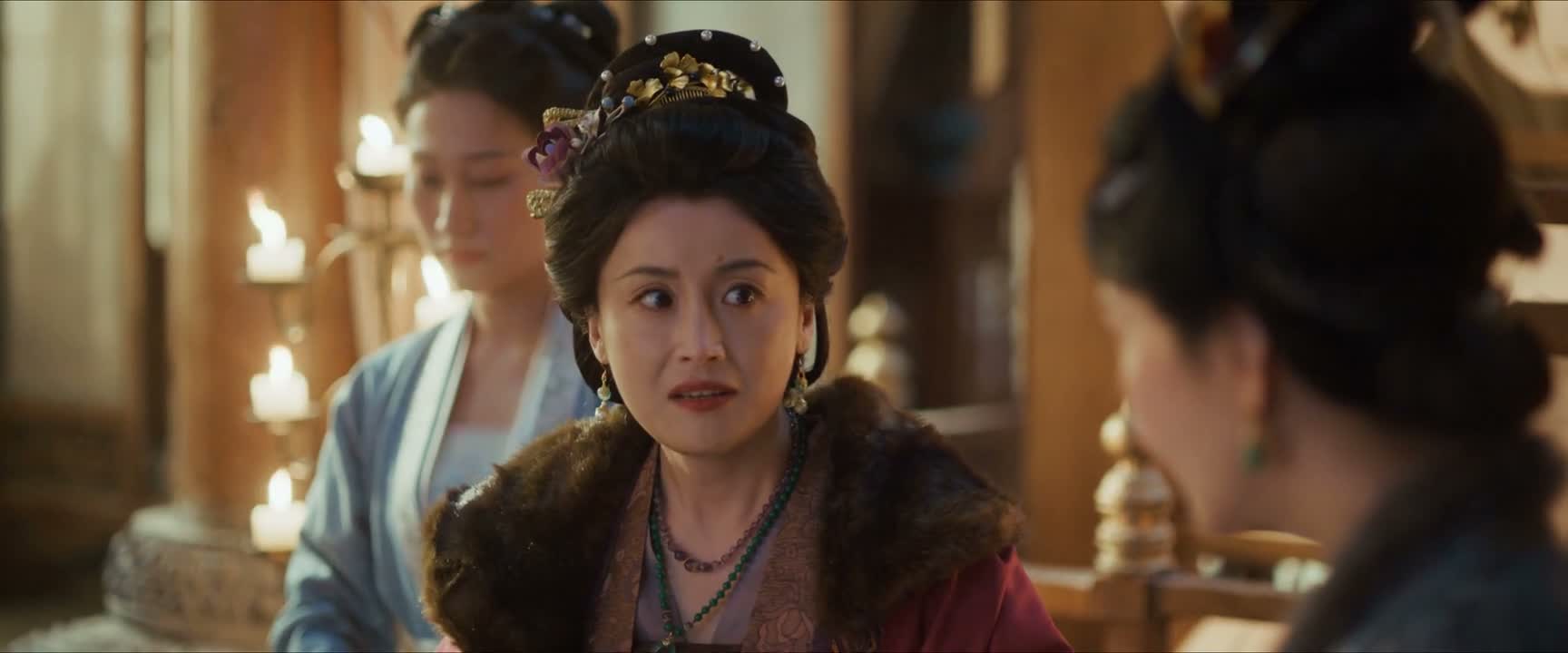
“got pregnant out of wedlock.”