指不定背后怎么挤对你们俩呢 背后挤对就挤对呗
“to talk behind your backs. Let them talk.”
THE DIALOGUE REEL
那大家伙
“people are bound”
指不定 背后 怎么 挤对 你们俩呢 背后挤对 就 挤对 呗
“to talk behind your backs. Let them talk.”
“I don't care. I'm not afraid to face them.”
Direct spoken expression in this communicative setting.
In close-knit Chinese communities, social pressure and indirect malice ('behind-the-back criticism') are common tools of collective policing.
LEARNING CHUNKS & PARTICLES
who knows / perhaps / quite possibly
A colloquial Northern adverb indicating speculation, usually suggesting an unpredictable or negative outcome.
to mock, ostracize, or push someone into a corner
Beijing/Northern dialect meaning to belittle, needle, or corner someone through petty hostility.
if [X] happens, then so what / let it be
A dismissive sentence pattern showing acceptance of a reality because one does not care.
Adds a lingering, speculative tone to the first rhetorical question.
Conveys nonchalance and an attitude of indifference toward other people's negative behavior.
VOCABULARY & EXPRESSIONS
Parallel Spoken Cinema Scenes (语义近邻切片)

“Stop pushing. He can see me.”

“Or we could squeeze in together. No.”

“It's too tight! Use your brain! You're squeezing my hand.”
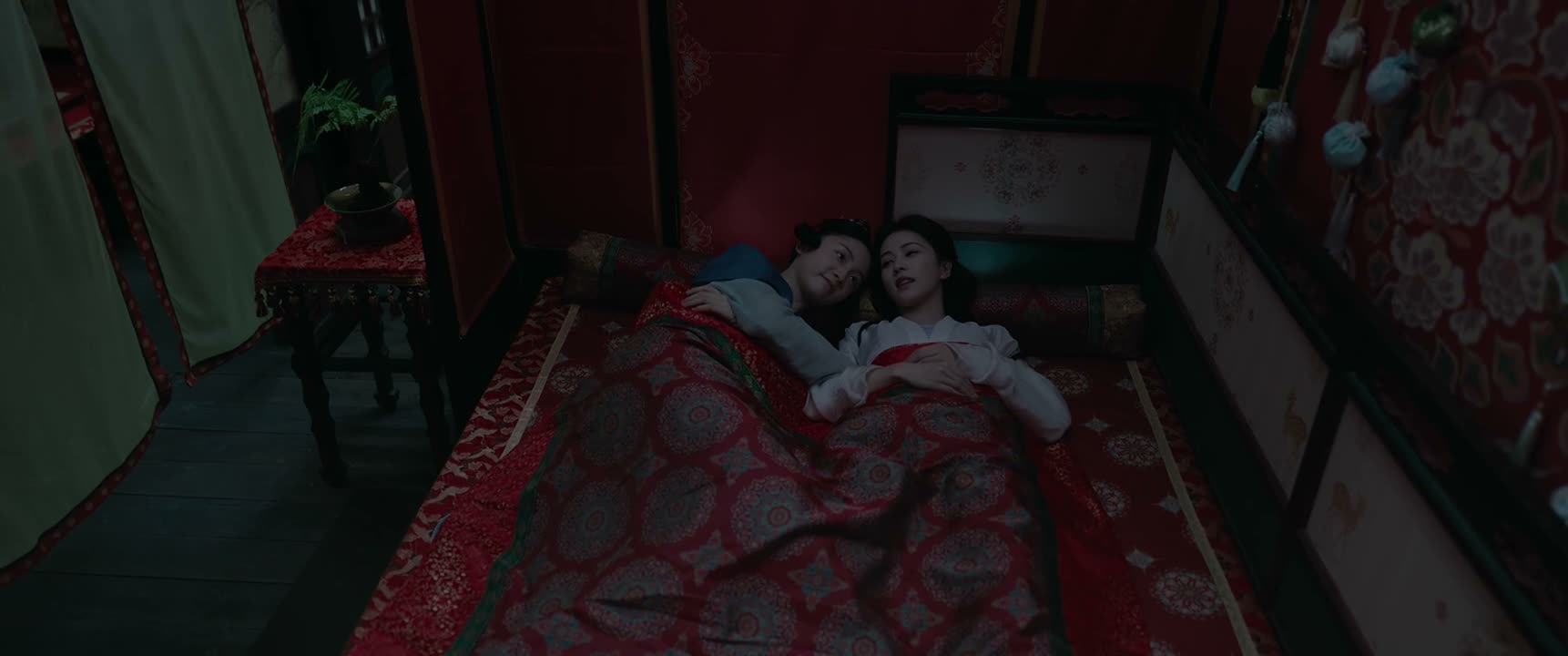
“If we share the bed, you won't fear anymore, right?”

“I can still squeeze out some time.”

“Don't crowd around! Watch your step.”