才会在下了车过马路的时候 被车给撞了
“he got hit by a car while crossing the street after getting out of his car.”
THE DIALOGUE REEL
他就是气坏了
“He was so furious that”
才会 在下 了车过马路 的时候 被车给撞了
“he got hit by a car while crossing the street after getting out of his car.”
我
“I...”
“He wouldn't have been hit by a car if you hadn't infuriated him so badly; this is your fault.”
In Chinese family disputes, causing someone to become excessively angry (气坏了) is often treated as the moral origin of subsequent misfortunes.
LEARNING CHUNKS & PARTICLES
only then would; that's why
Connects an extreme cause stated prior to this result, emphasizing causation.
got hit by a car
Colloquial passive construction using '给' before the verb to emphasize an adverse result.
Indicates the completed occurrence of the traumatic event.
VOCABULARY & EXPRESSIONS
Parallel Spoken Cinema Scenes (语义近邻切片)

“If you had hit a car, you should have died.”

“that car accident wouldn't have happened. You wouldn't have had to suffer.”

“If you keep this up, you'll get hit by a car!”
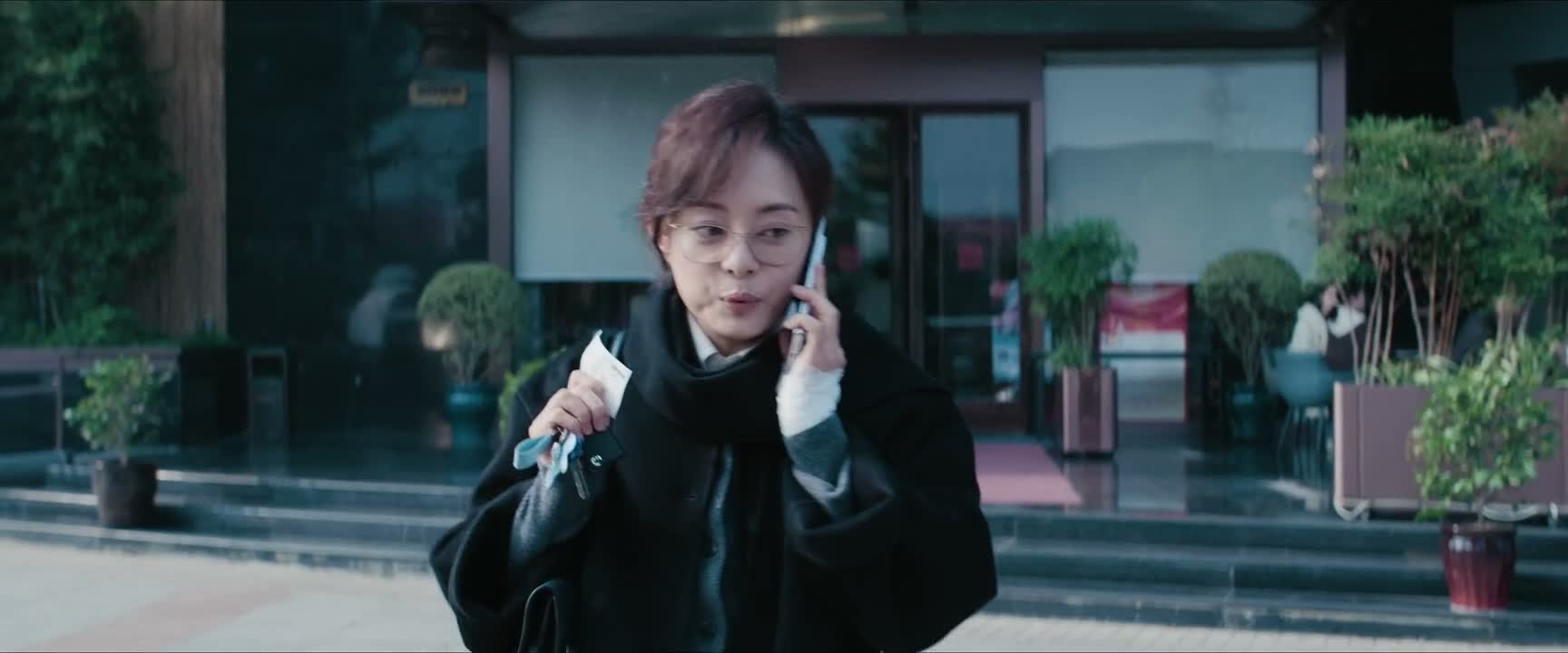
“I accidentally scratched their car.”

“How could I possibly drive and hit someone?”

“My dad was hit by a car...”