无非就是想自证清白嘛
“He's just trying to prove his innocence.”
THE DIALOGUE REEL
他也都写出来了
“He even wrote down details about meeting me.”
无非就是想 自证清白 嘛
“He's just trying to prove his innocence.”
他知道
“He knows verifying his whereabouts from ten or twenty years ago”
Direct spoken expression in this communicative setting.
Chinese speakers often employ '无非...嘛' to strip away dramatic posturing and identify base psychological drives, portraying the speaker as someone who sees through appearances.
LEARNING CHUNKS & PARTICLES
nothing more than / simply / just
A powerful spoken discourse marker used to demystify, reduce, or downplay someone's motives or a complex situation.
to prove one's innocence
A four-character idiom frequently used in spoken and written Chinese when clearing oneself of suspicion or false accusations.
Highlights that the explanation is obvious, intuitive, or self-evident to both speakers.
VOCABULARY & EXPRESSIONS
Parallel Spoken Cinema Scenes (语义近邻切片)

“Then, to prove my innocence,”

“But the problem is we can't prove our innocence either.”
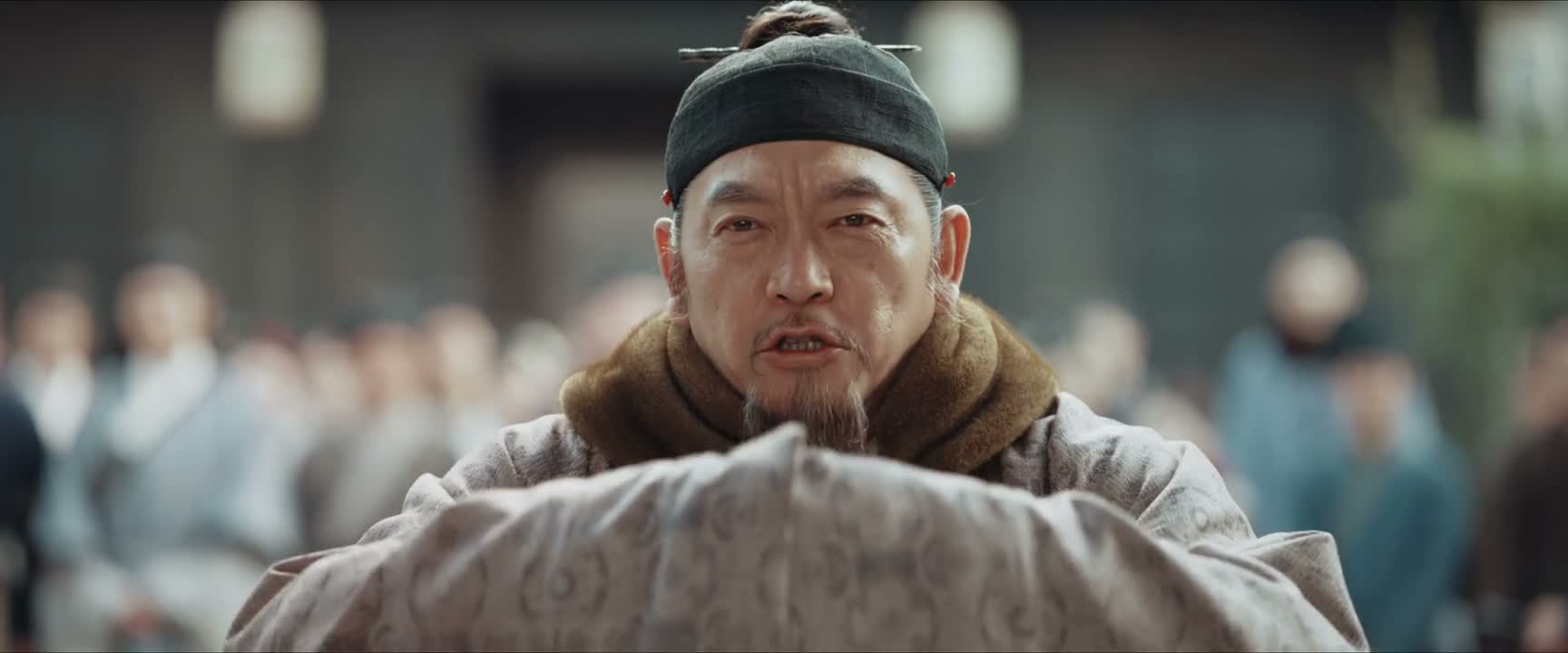
“to prove their innocence!”
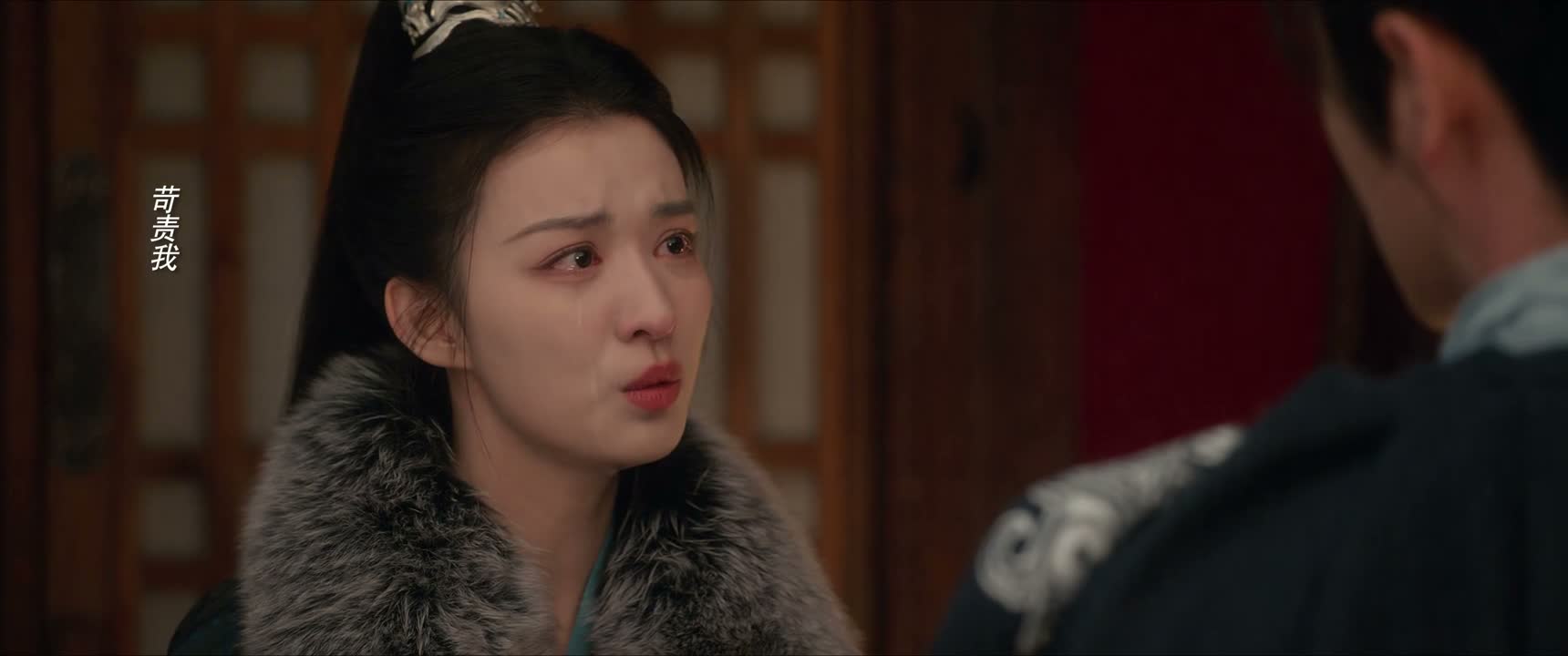
“♪ Blame me ♪ It's really just that you don't want to bear the consequences. ♪ For the frailty of fate ♪”

“what' the meaning of such innocence have?”

“that someone wasn't trying to frame me here?”