放手 孩子是不是你们亲生的 撒开
“Let go. Is the child not your own? Let go.”
THE DIALOGUE REEL
放手 孩子 是不是你们 亲生的 撒开
“Let go. Is the child not your own? Let go.”
小笼包 没事吧 小笼包 来 孩子都疼成什么样了
“Xiaolongbao. Are you okay, Xiaolongbao? Come here. The child is already in pain.”
“Stop tearing the poor kid apart! What kind of cruel parents treat their own child like this?”
Invoking whether a child is 'one's own biological child' (亲生的) is a powerful moral rebuke in Chinese culture to shame parents whose reckless actions cause distress to their children.
LEARNING CHUNKS & PARTICLES
one's own biological child
Often used rhetorically in scolding to highlight that parents are treating their own flesh and blood too harshly.
let go / unhand
A sharp, colloquial northern imperative commanding someone to release their grip immediately.
VOCABULARY & EXPRESSIONS
Parallel Spoken Cinema Scenes (语义近邻切片)
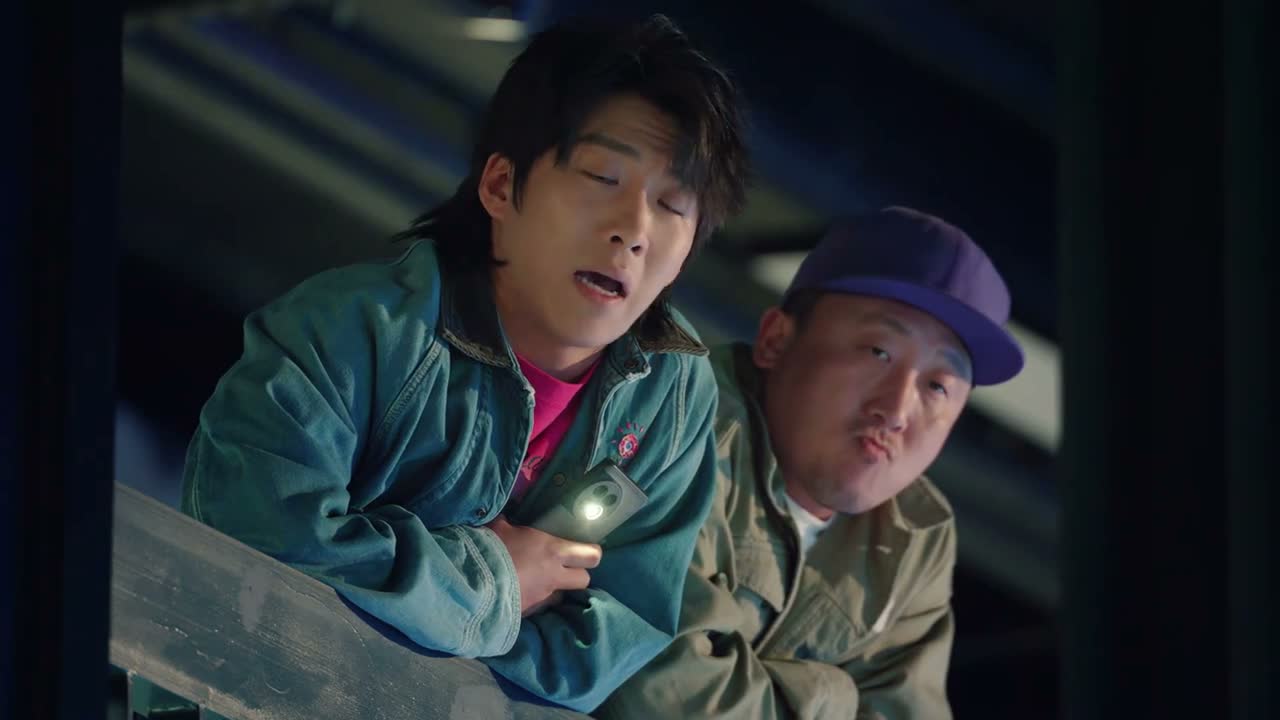
“the kid's making his debut.”

“Your son has grown up. You need to let go.”

“"These are my own children."”

“She will have to leave this place eventually.”

“Dahu is asleep. Let's enjoy our meal.”

“Here, child. Hold it tight. Thank you, sir.”