这 那你应该问她 那个男人是哪个男人
“Well then, you should ask her which man that is.”
THE DIALOGUE REEL
男人多了
“There are plenty of men.”
这 那 你应该 问她 那个 男人是 哪个男人
“Well then, you should ask her which man that is.”
“Don't interrogate me; go ask her directly if you dare.”
In high-stakes verbal confrontations, Chinese speakers often redirect queries to external parties to break an accuser's momentum and protect themselves from admitting guilt.
LEARNING CHUNKS & PARTICLES
you should ask her
A common rhetorical pattern used to redirect questions or avoid blame in spoken arguments.
which man refers to which man
Used to challenge vague accusations by demanding precise definitions or identities.
VOCABULARY & EXPRESSIONS
Parallel Spoken Cinema Scenes (语义近邻切片)

“T-Then let me ask in advance.”

“Do you even need to ask? I'd take the money and leave.”

“Then... why are you giving me this?”

“Tell me, where's the woman?”
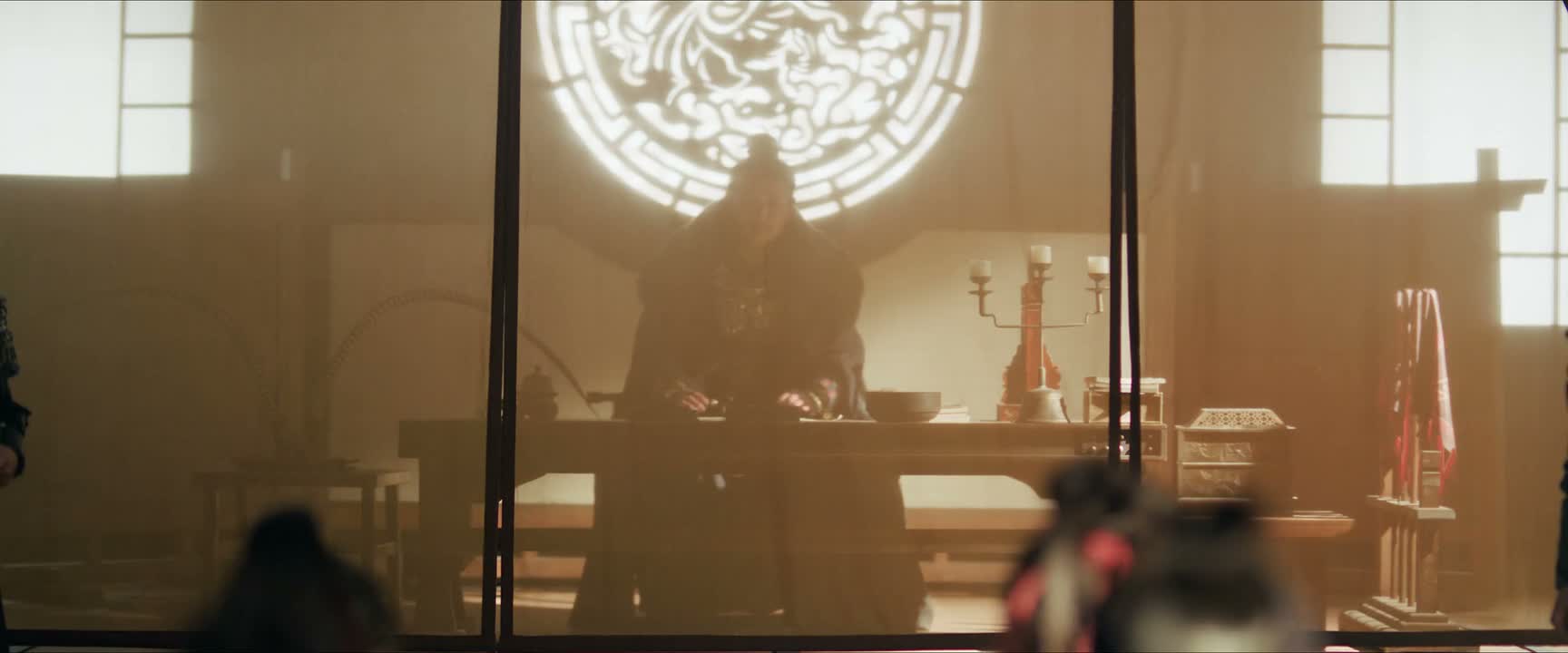
“Th-Then tell me what I should do.”

“Well...”