你不是早就明白了吗
“Haven't you found out long ago?”
THE DIALOGUE REEL
离山发生什么了
“What happened at Lishan?”
你 不是 早就明白 了 吗
“Haven't you found out long ago?”
不然又怎会来找我
“Why else would you come to me?”
“Stop pretending not to know; we both understand what has happened.”
In Chinese communicative culture, people often expect others to deduce underlying realities without spelling them out explicitly.
LEARNING CHUNKS & PARTICLES
didn't you already ... long ago?
A rhetorical question pattern used to challenge someone's pretense of not knowing or not doing something.
understood / figured it out
Used to denote comprehending a fact, situation, or hidden truth.
Marks the completion of realization and change of state.
Turns the statement into a rhetorical question to demand acknowledgment.
VOCABULARY & EXPRESSIONS
Parallel Spoken Cinema Scenes (语义近邻切片)
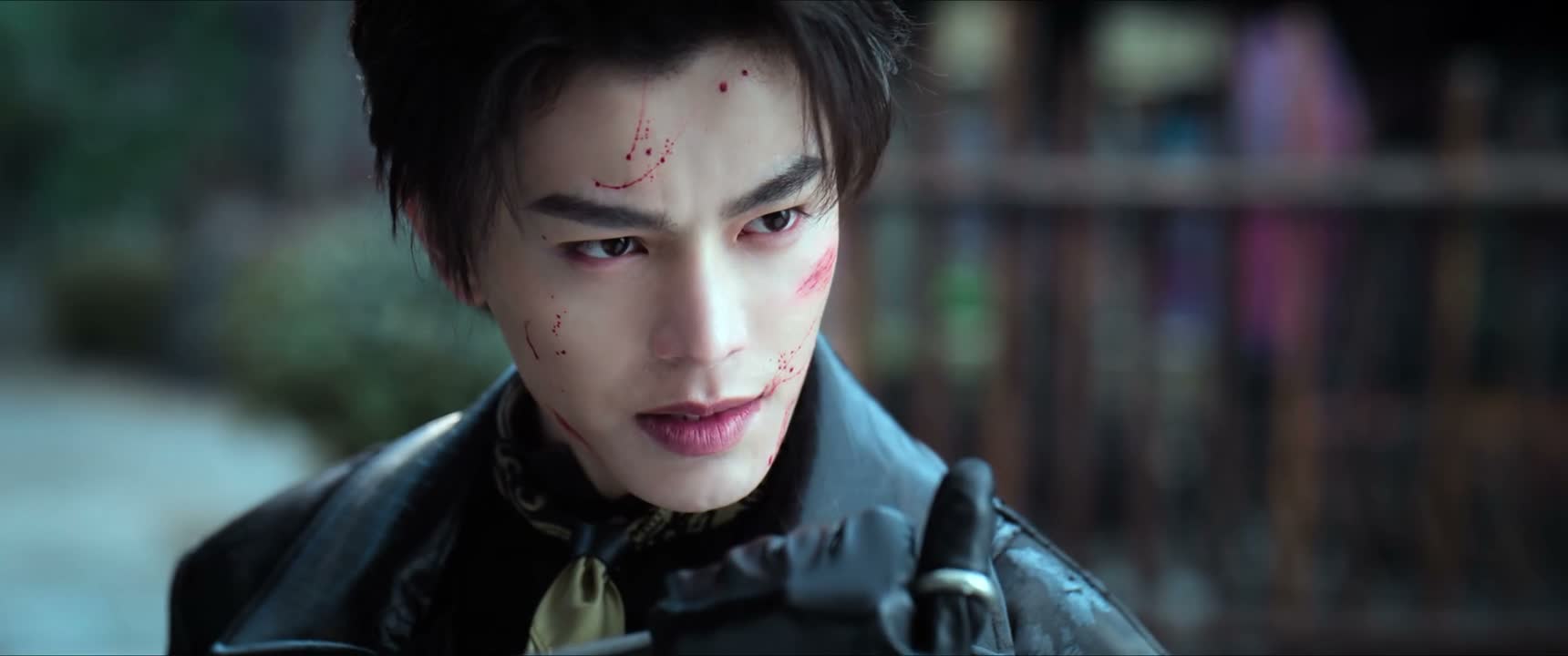
“Didn't you know that already?”

“Didn't you already know that?”

“Didn't you say you were no longer a hopeless romantic”
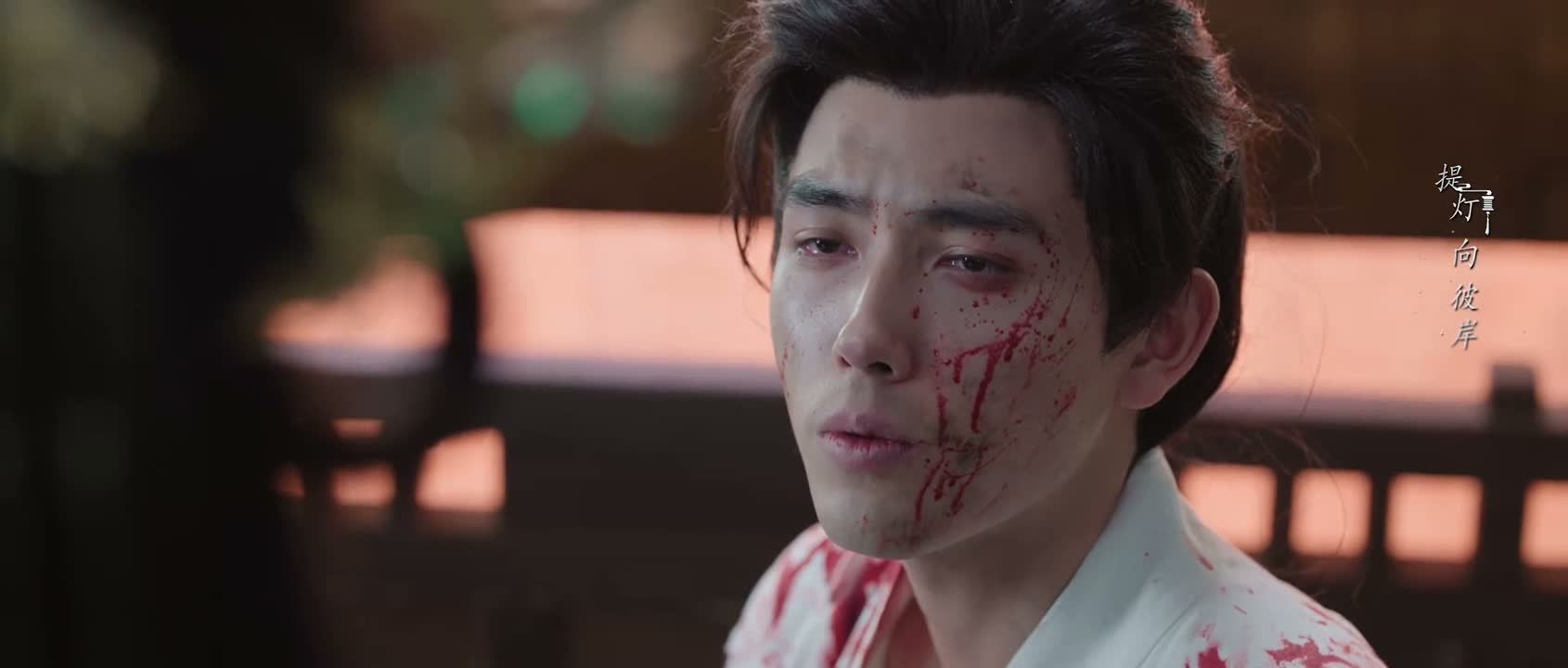
“I think you're used to that.”

“Haven't you already”

“Don't you already know the answer?”

“Didn't you prove it for me?”