那我岂不是再也无法洗脱污名了?
“Then I'll never clear my name.”
THE DIALOGUE REEL
太医署为了防止时气蔓延 已将病人尸体焚烧了
“To stop the epidemic from spreading, the Imperial Medical Office burned the bodies.”
那我 岂不是 再也无法 洗脱污名 了?
“Then I'll never clear my name.”
与其验证那位内侍的问题
“Instead of proving that eunuch is at fault,”
“With the body gone, how on earth am I supposed to prove I'm innocent?”
In traditional Chinese culture, one's moral purity and family name are paramount, making an unresolvable false accusation a fate worse than death.
LEARNING CHUNKS & PARTICLES
wouldn't it mean / doesn't it imply
A rhetorical pattern used to point out an undesirable or absurd logical consequence.
to clear one's name / to wash away a bad reputation
A formal four-character idiom useful when discussing exoneration or clearing false accusations.
Indicates a newly realized, irreversible change of state or situation.
VOCABULARY & EXPRESSIONS
Parallel Spoken Cinema Scenes (语义近邻切片)

“have also been cleared of their charges.”
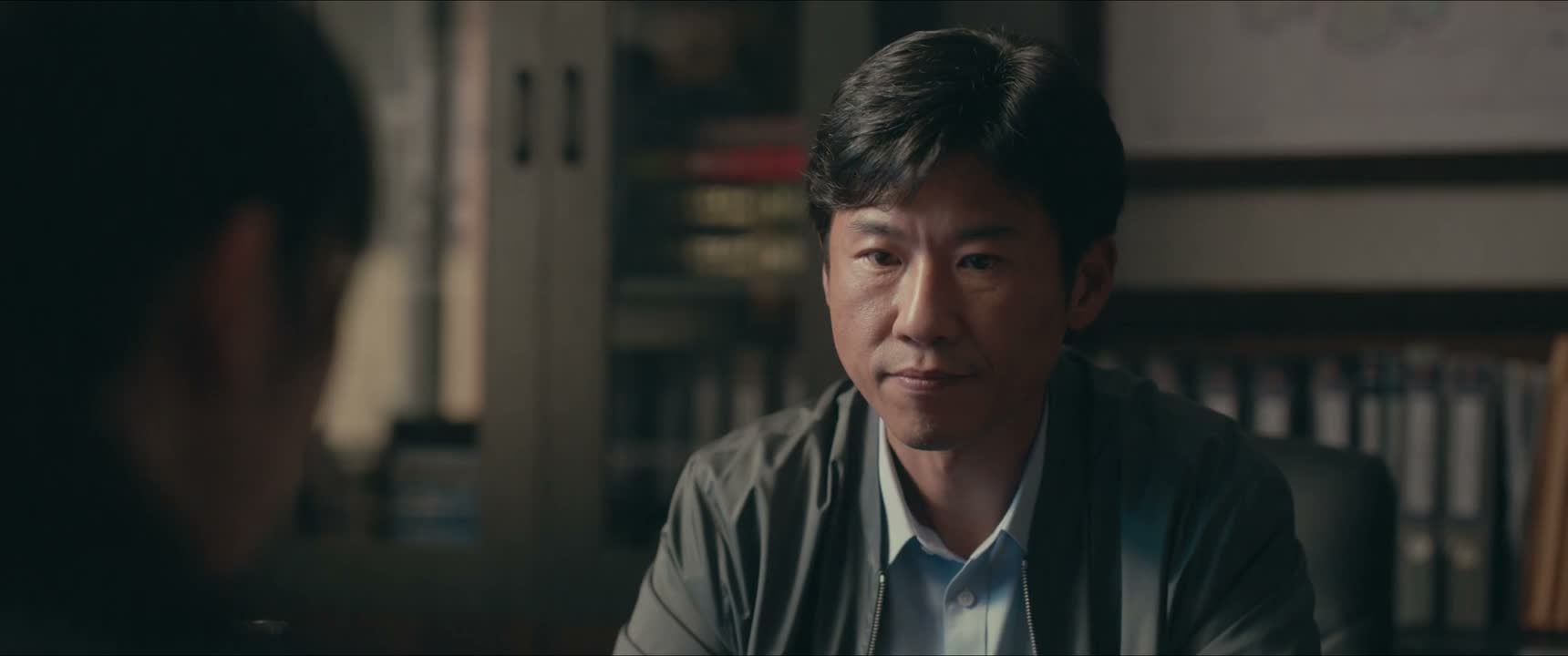
“You're cleared of suspicion now, right?”
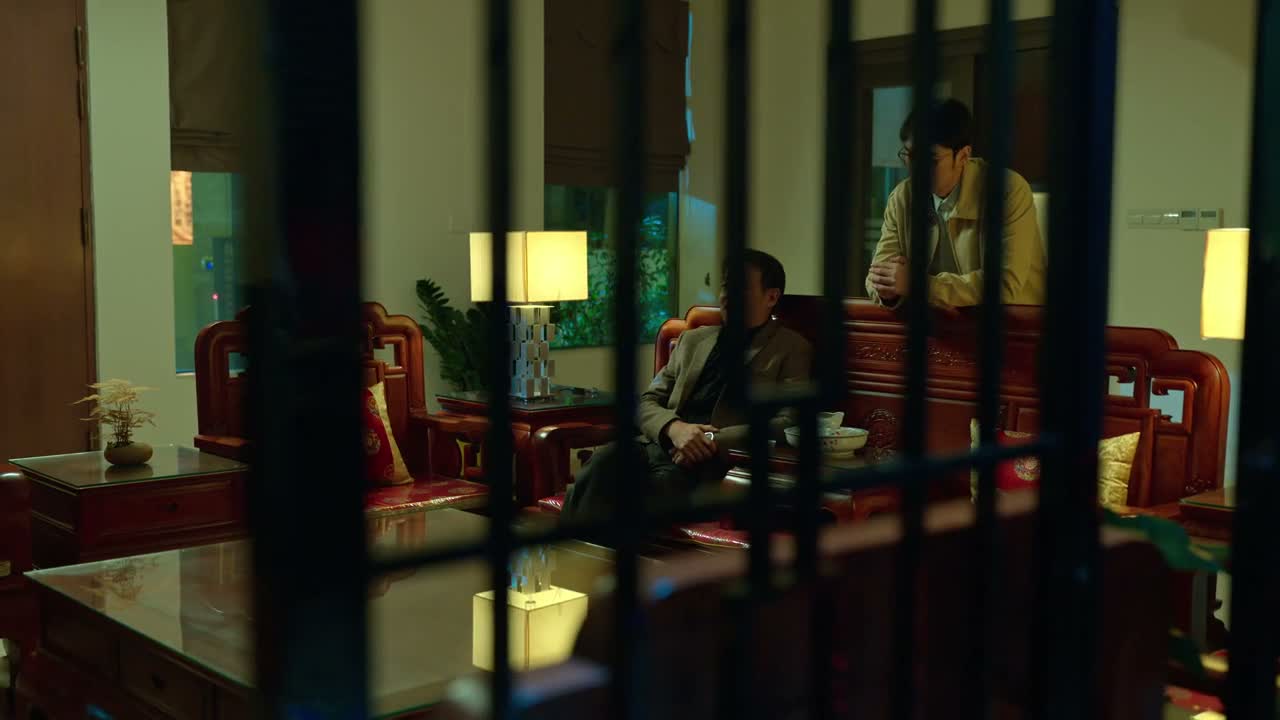
“He also put himself above suspicion.”

“We indeed can't tarnish his reputation. And you can't use my name either.”

“Anyway, I won't do your laundry. I'll do yours, then. No need.”

“even if you scratch it out, the stain remains.”