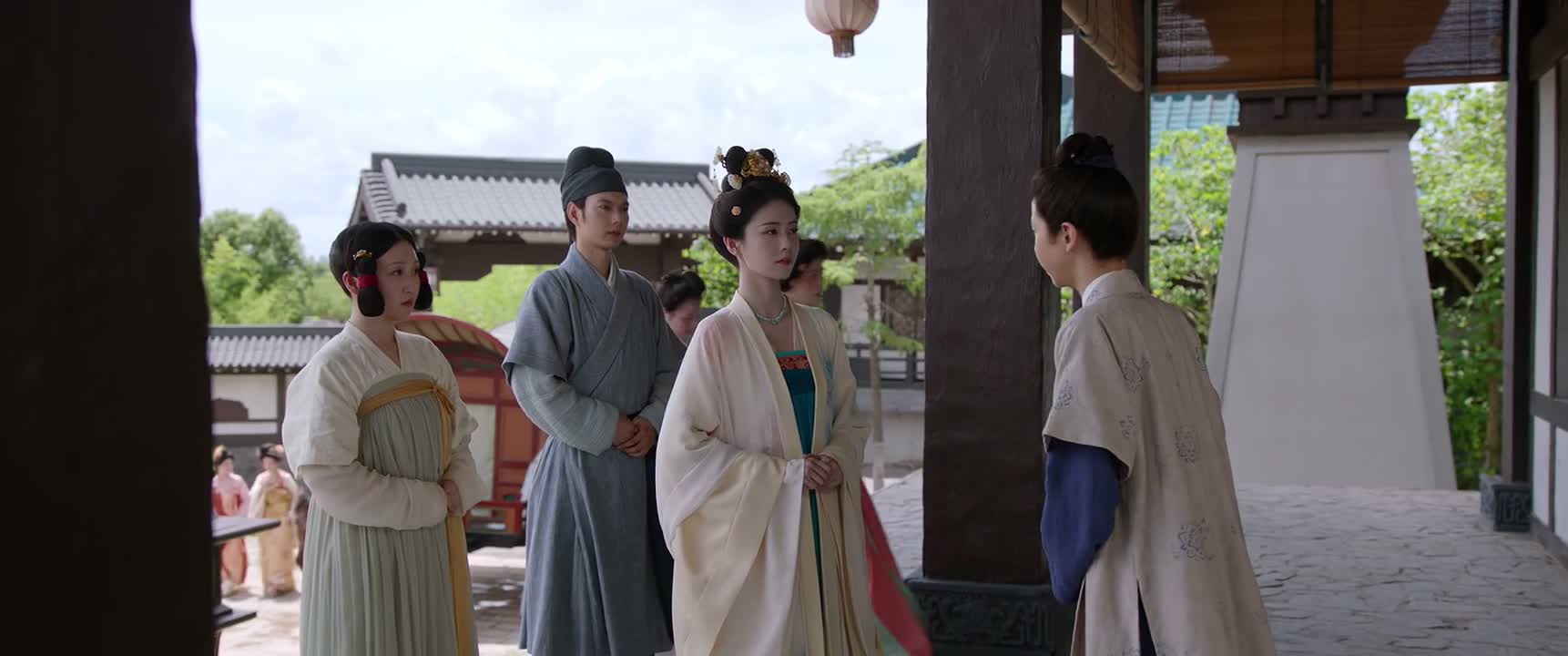
王妃来了 她 本来不想打扰您的
“Her Highness is here. She didn't want to disturb you.”
THE DIALOGUE REEL
怎么了
“What's wrong?”
王妃 来了 她 本来 不想打扰 您的
“Her Highness is here. She didn't want to disturb you.”
见过定王妃
“Greetings, Your Highness.”
“Please don't be upset by the unexpected visit; she has an urgent reason to see you.”
In Chinese culture, even high-ranking visitors show courtesy by framing their arrival as an unwanted disturbance, displaying modesty and consideration for the host's schedule.
LEARNING CHUNKS & PARTICLES
disturb you; bother you
A standard polite formula used when interrupting someone or making an unexpected visit to a superior or elder.
originally didn't want to
Used to justify an action by explaining the initial good intention before necessity forced a change.
Signals a new event or sudden change of state, alerting the listener to the visitor's arrival.
Marks the end of an explanatory clause indicating background circumstances.
VOCABULARY & EXPRESSIONS
Parallel Spoken Cinema Scenes (语义近邻切片)
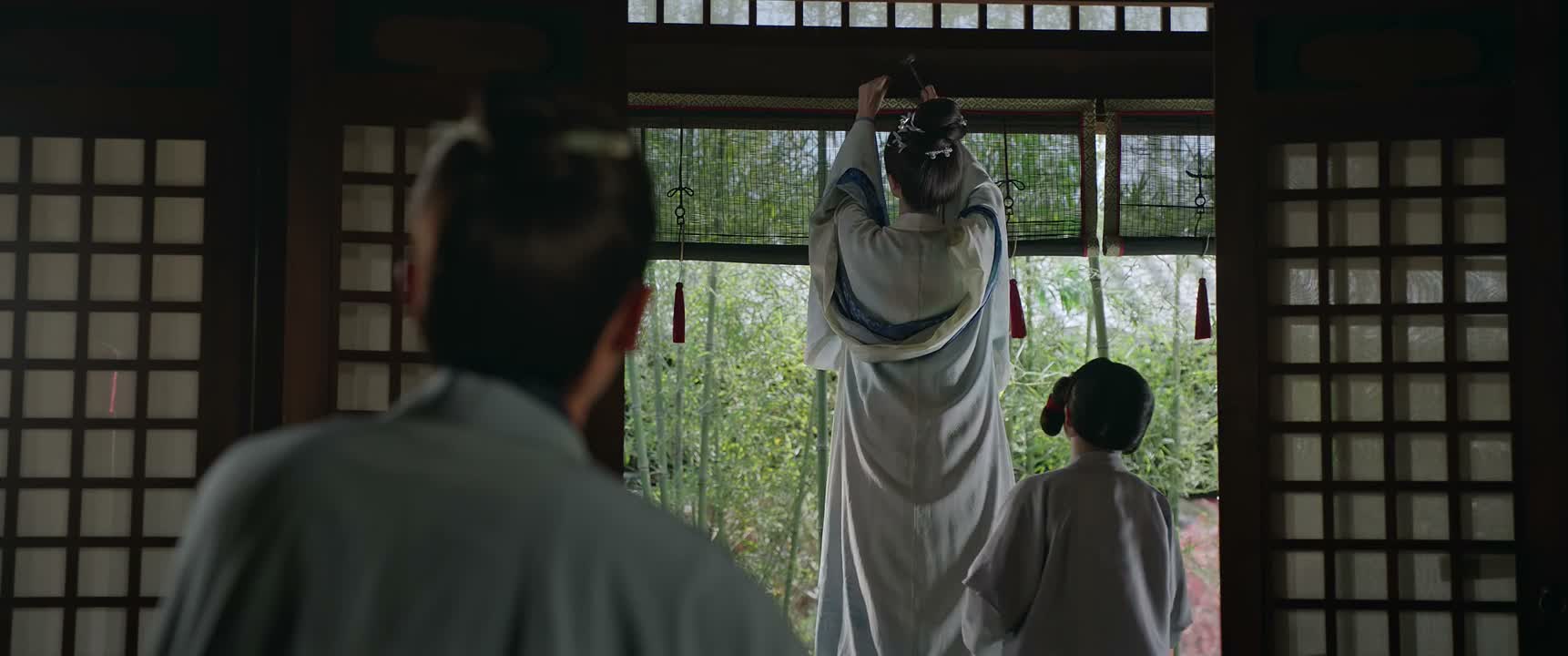
“Your Highness, perhaps I should do it?”
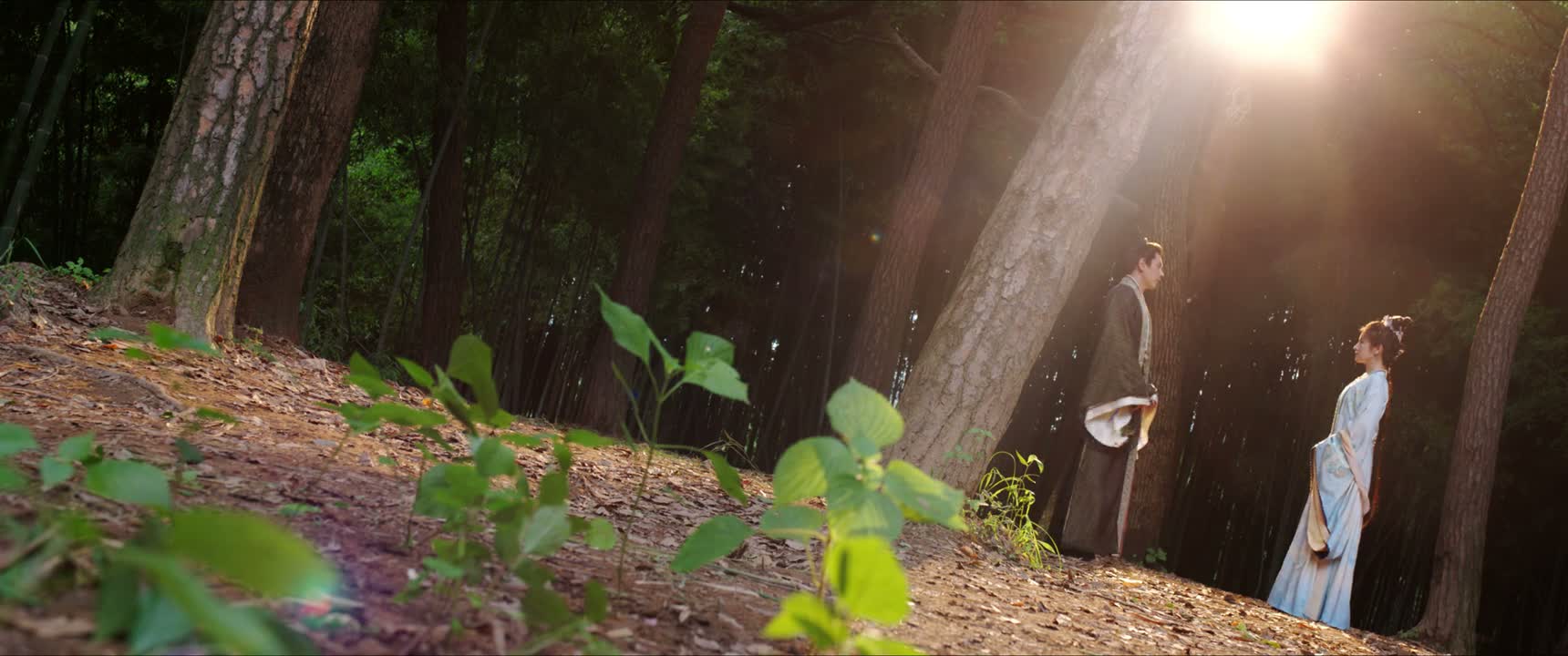
“Your Highness, why did you ask to meet me here?”
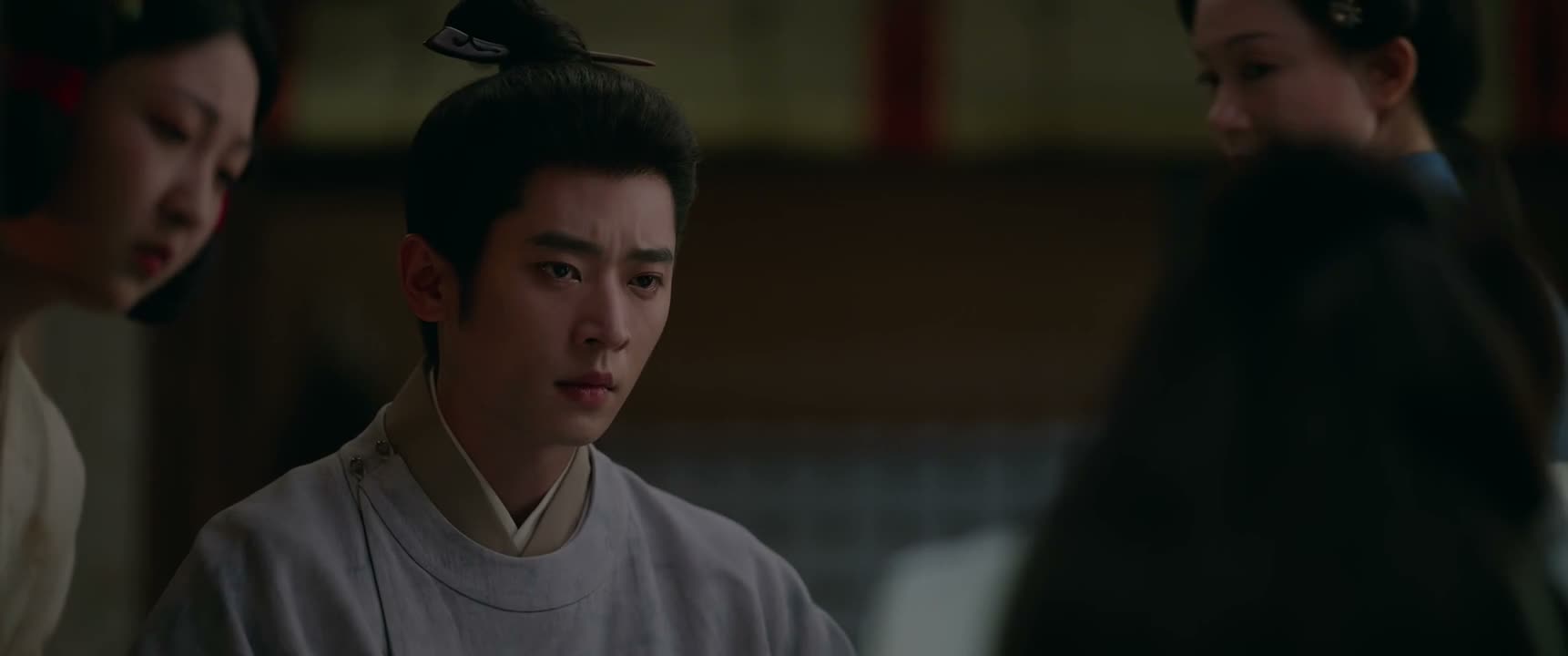
“Your Highness, are you alright?”
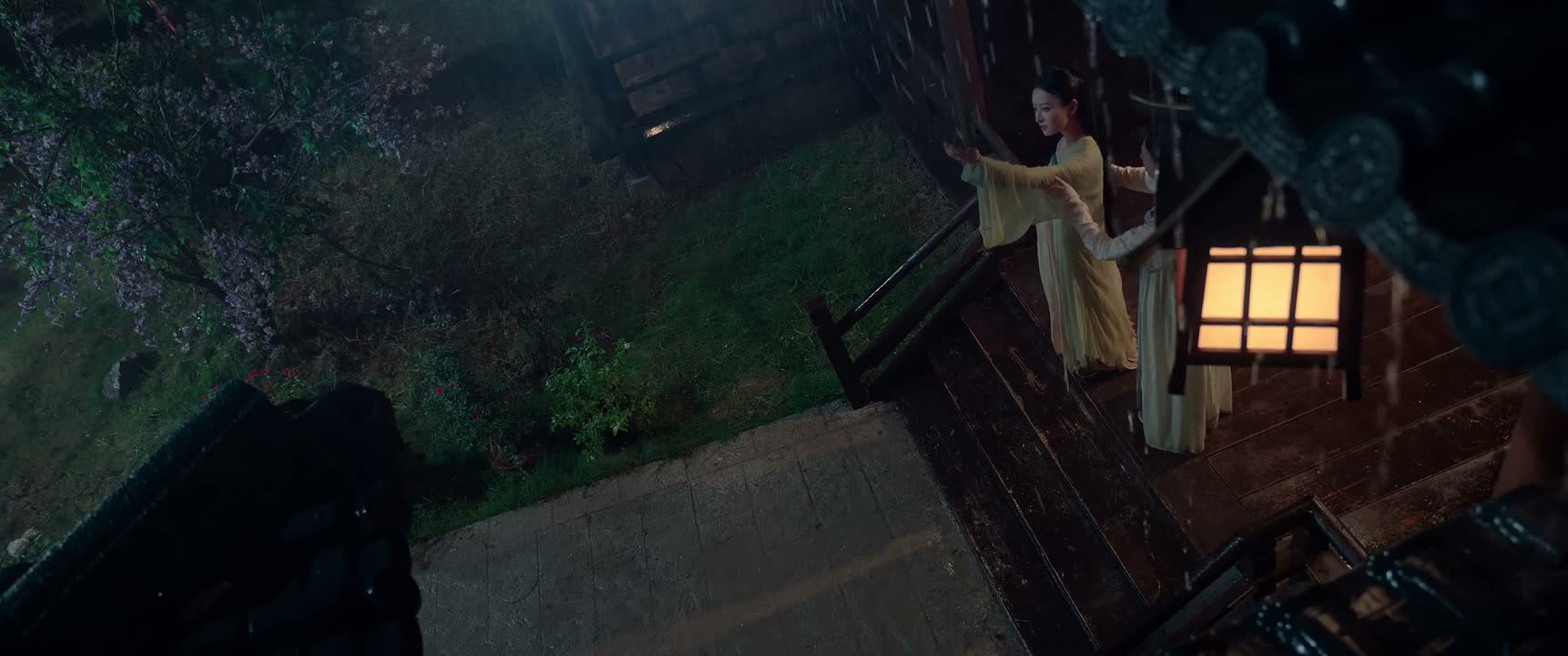
“Your Highness, what are you doing?”

“Your Highness, let me do it. No.”
“Please don't disturb him.”