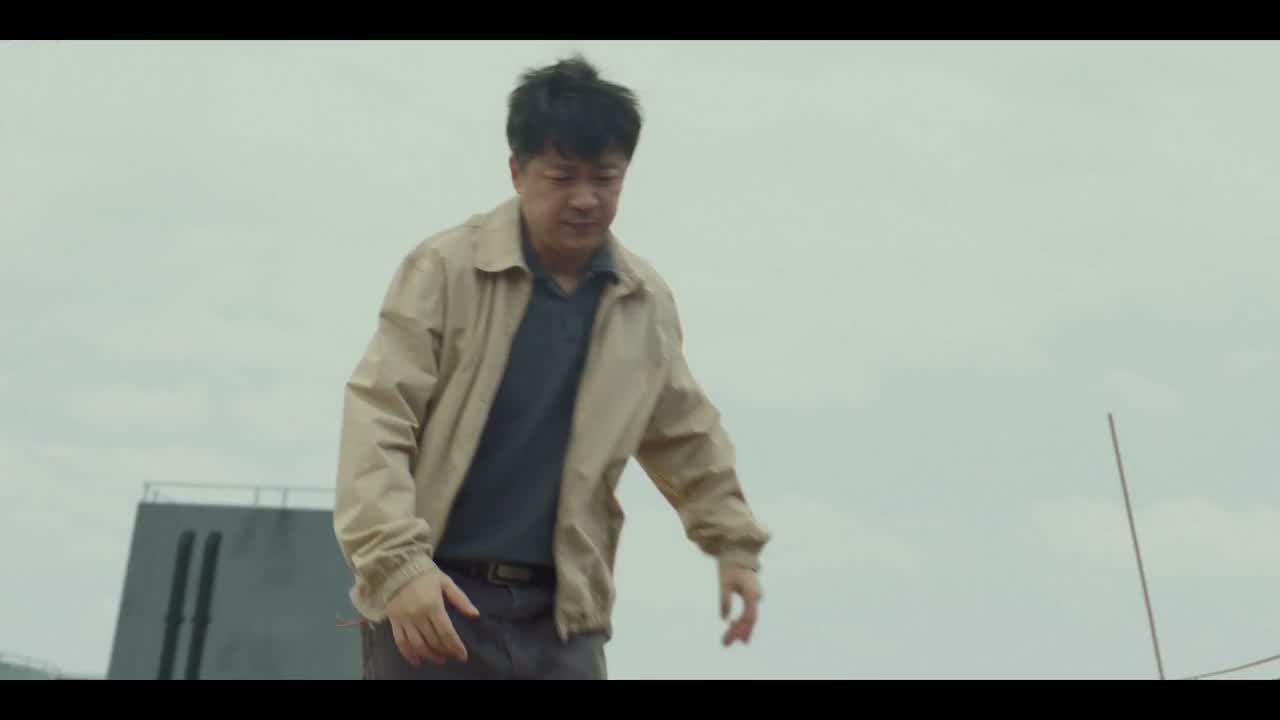
《Born to Be Alive》 S1·E19 (11:26)
HSK 5
wǒ dǎ duàn nǐ de shǒu tīng dào méi yǒu
我打断你的手 听到没有
“and I'll break your arms. Do you hear me?”
《Born to Be Alive》
S1·E19
TIMECODE: 11:26
·
1080P MASTER AUDIO
THE DIALOGUE REEL
[-1] PREVIOUS TURN
wǒ ràng nǐ chuǎng huò xíng le xíng le chà bu duō xíng le zài pèng chē
“Causing a mess! Alright, alright. That's enough. Touch the car again,”
wǒ dǎ duàn nǐ de shǒu tīng dào méi yǒu
CURRENT FOCUS
我 打断你的手 听到没有
“and I'll break your arms. Do you hear me?”
[+1] FOLLOW-UP TURN
tǐng cǎn de nǐ hái dǎ tā
挺惨的 你还打他
“He's miserable enough. Why did you hit him?”
Subtitles synced to millisecond timecode
Browse Show Clips →
Scene:
Family & Home
Function:
SCOLDING
Tone:
THREATENING
Emotion:
ANGER
WHAT THEY REALLY MEAN (PRAGMATIC SUBTEXT)
“Never touch that vehicle again or you will face serious consequences!”
💡 Cultural Insight: Authoritarian Tough Love (Hen Tie Bu Cheng Gang)
Chinese parents often use hyperbolic physical threats to teach discipline, which stems from deep protective anxiety rather than malice.
INTENT TAGS:
#warning
#reprimand
#deterrence
#hyperbole
🧩
2 CHUNKS · 1 PARTICLES
LEARNING CHUNKS & PARTICLES
打断你的手
SPOKEN CHUNK
break your hand/arm
A common hyperbole used by angry Chinese parents or elders when threatening misbehaving children.
听到没有
SPOKEN CHUNK
Do you hear me? / Did you get that?
A stern rhetorical command demanding immediate verbal acknowledgment and compliance.
Modal Particle「没有」 (mei you)
CHANGE OF STATE
Forms an abrupt tag question that conveys authority and demands confirmation.
🏮
2 EXPR · 1 GRAMMAR
VOCABULARY & EXPRESSIONS
COLLOQUIAL EXPRESSIONS:
GRAMMAR BLUEPRINTS:
CROSS-CINEMA CORPUS BOARD · PARALLEL SCENES
EXPLORE BY SEMANTIC SIMILARITY
Parallel Spoken Cinema Scenes (语义近邻切片)

《Born to Be Alive》 S1·E19 (11:26) · Authentic Cinema Dialogue Corpus