之前北崇大司祭 用毒药装神弄鬼 扰乱军心
“Their High Priest used poison to scare us and demoralize us.”
THE DIALOGUE REEL
之前北崇大司祭 用 毒药 装神弄鬼 扰乱军心
“Their High Priest used poison to scare us and demoralize us.”
现在有了这个新箭镞
“Now, we have this new arrowhead.”
Direct spoken expression in this communicative setting.
In ancient Chinese warfare, sorcery or superstition was often deployed to disrupt the enemy's 'junxin' (collective morale), making moral steadiness and debunking tricks vital tasks for commanders.
LEARNING CHUNKS & PARTICLES
play tricks; practice deceit under mysterious pretexts
A vivid four-character idiom used to criticize someone for creating superstitious illusions or deliberately being deceitful and mysterious.
unsettle troop morale; undermine military confidence
Used in formal or military contexts to describe demoralizing actions or psychological sabotage.
VOCABULARY & EXPRESSIONS
Parallel Spoken Cinema Scenes (语义近邻切片)
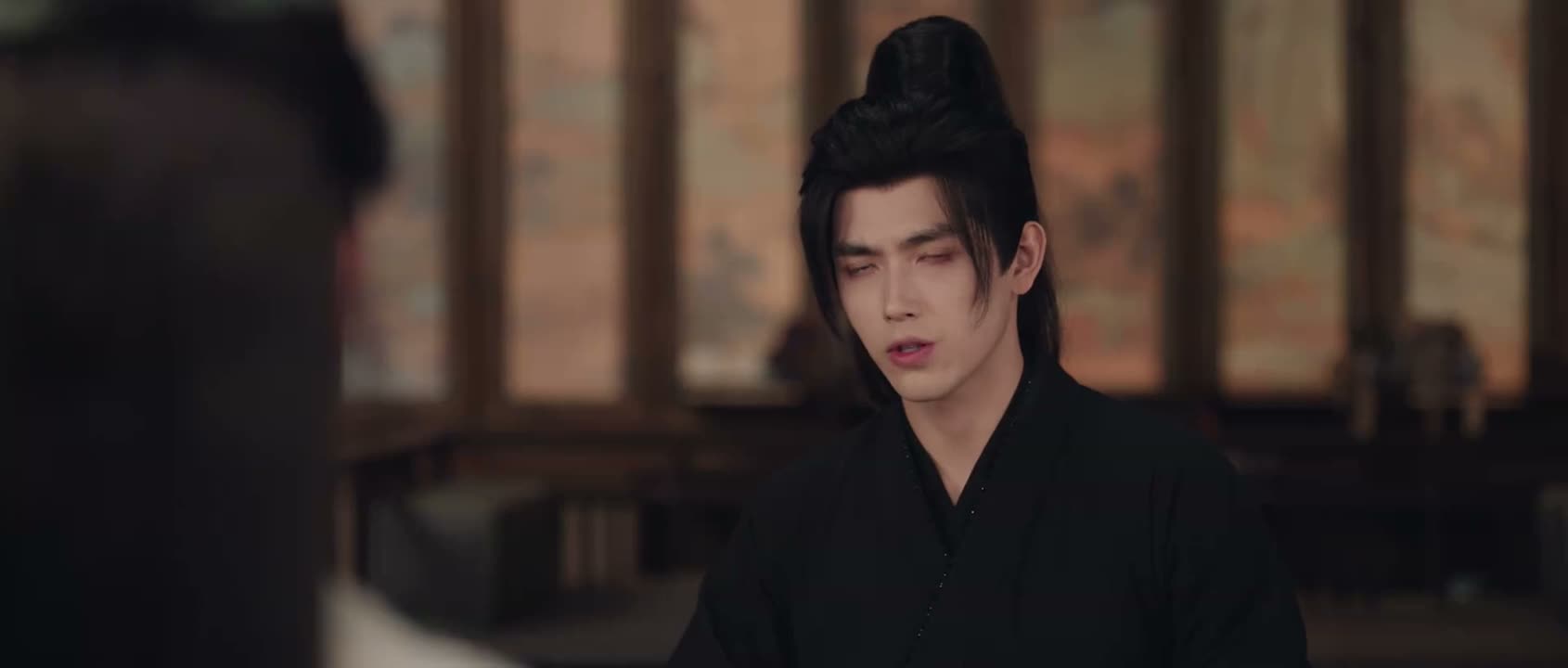
“but he made his army fearless of death.”

“Those wretched North Chong spies. They are truly vile.”

“Are you suspecting I have a connection with them?”
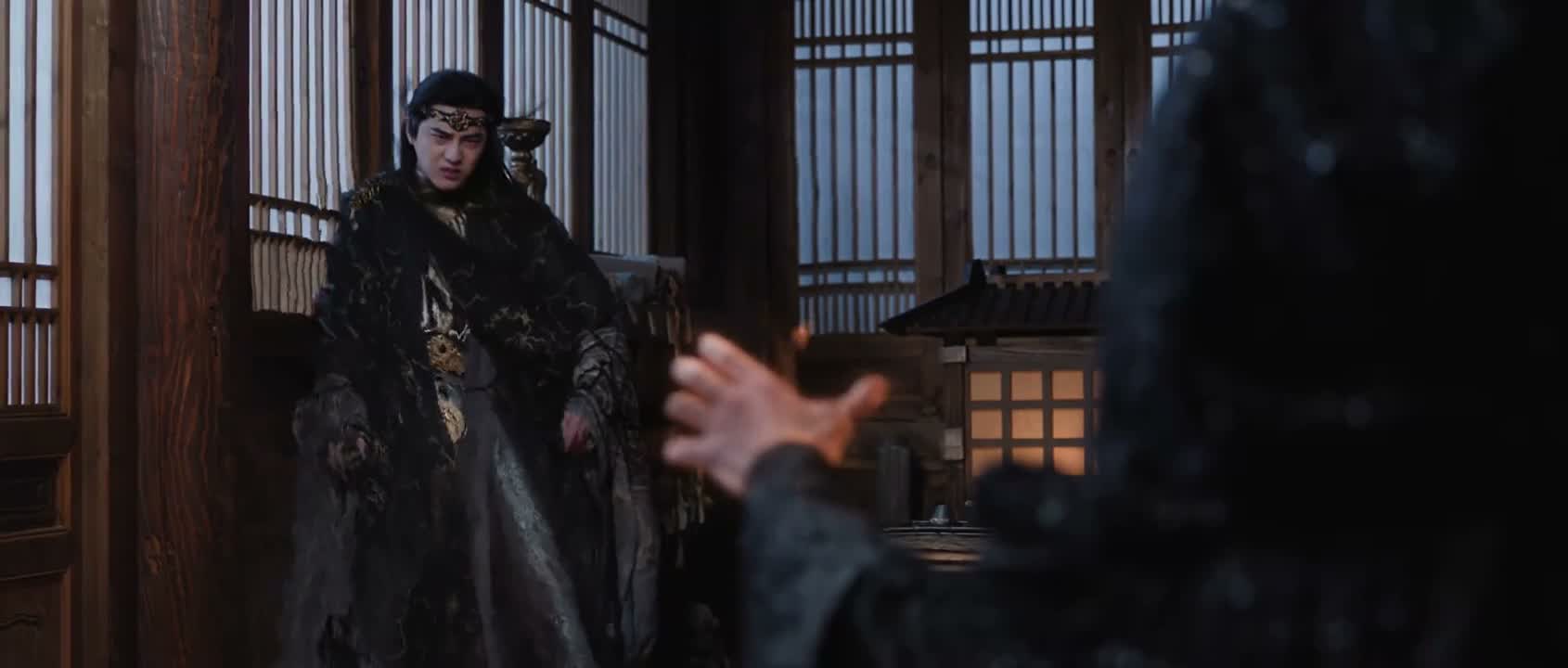
“you'll perish with it too.”

“North Chong soldiers! Catch them!”
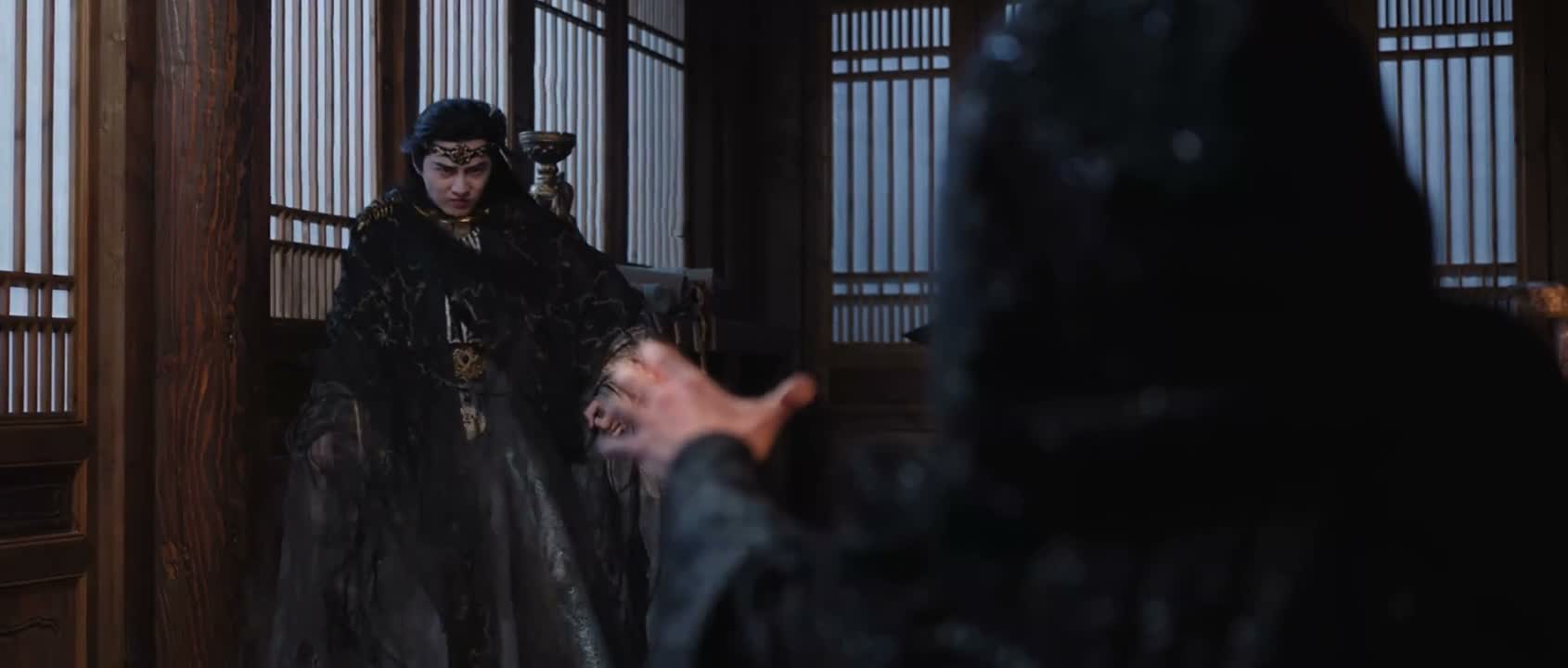
“Don't think being the High Priest”