做不了 太危险了
“Can't do it. Too dangerous.”
THE DIALOGUE REEL
有没有
“Anyone?”
做不了 太危险了
“Can't do it. Too dangerous.”
有没有
“Anyone?”
Direct spoken expression in this communicative setting.
While Chinese communicative norms often favor indirect politeness, urgent safety concerns trigger blunt, direct refusals without sugarcoating.
LEARNING CHUNKS & PARTICLES
cannot be done / unable to do
A potential complement structure used to bluntly state inability or refusal based on objective limitations.
too dangerous
A standard construction (太...了) commonly used to justify refusing a risky venture.
Functions as a sentence-final particle indicating an intensified state or assessment in combination with '太'.
VOCABULARY & EXPRESSIONS
Parallel Spoken Cinema Scenes (语义近邻切片)

“is not something I can decide.”

“If I can't make the decision,”

“You can't handle this, but I can.”

“But in the end, I couldn't do anything.”
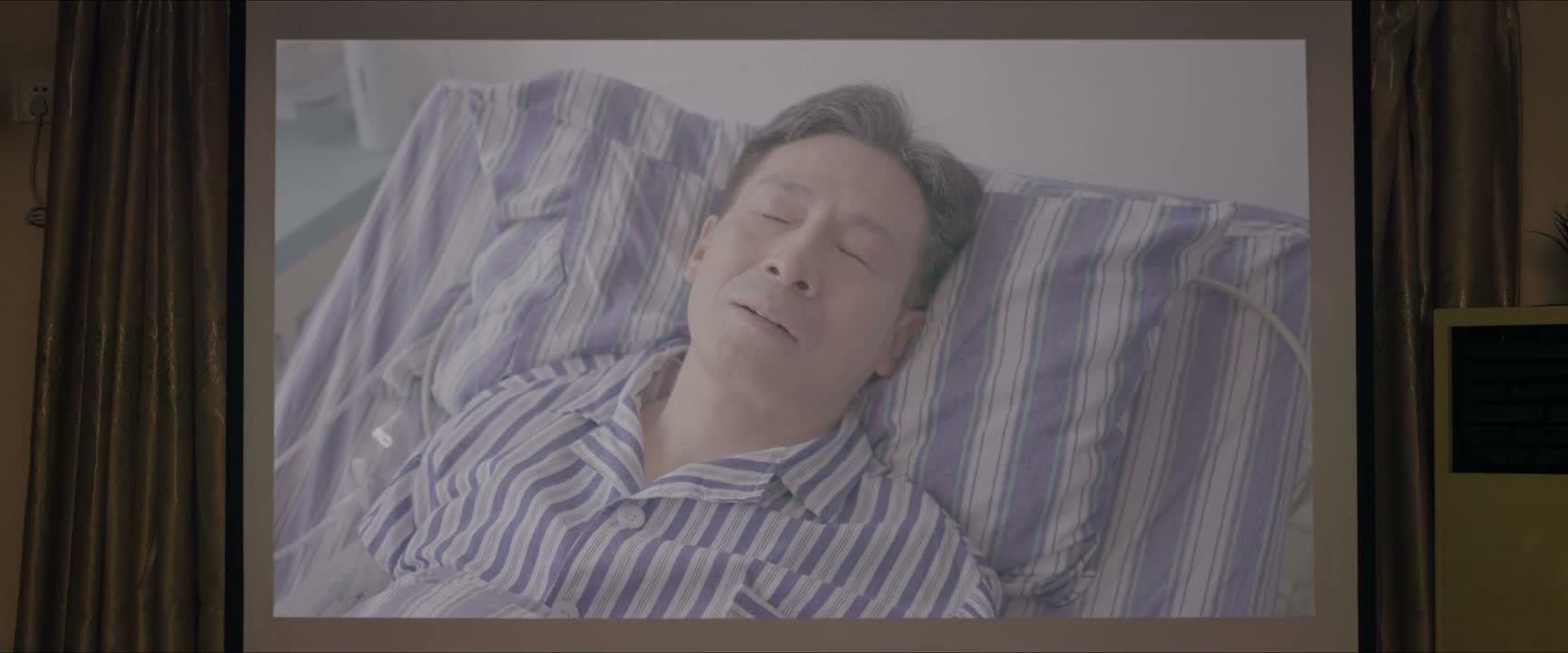
“I won't be able to do it.”

“I really can't do this anymore.”