本官真的不知道该怎么谢你了
“I really don't know how to thank you.”
THE DIALOGUE REEL
祯姑娘
“Ms. Li Zhen.”
本官 真的不知道 该 怎么 谢你了
“I really don't know how to thank you.”
“Lord Yan, you're welcome. It's what I should do.”
“Your help has put me in your debt, and words alone cannot repay it.”
Even high-ranking officials in ancient China cultivated loyalty by showing personal emotional debt (renqing) to subordinates or helpers rather than just relying on rank.
LEARNING CHUNKS & PARTICLES
this official / I (used by an official)
A first-person historical pronoun used by imperial magistrates and officials in formal interaction.
do not know how to thank you
A common rhetorical formula expressing that mere words of thanks feel insufficient for the favor received.
Marks an emotional culmination and completed shift into a state of immense gratitude.
VOCABULARY & EXPRESSIONS
Parallel Spoken Cinema Scenes (语义近邻切片)

“I honestly don't know how to repay you.”
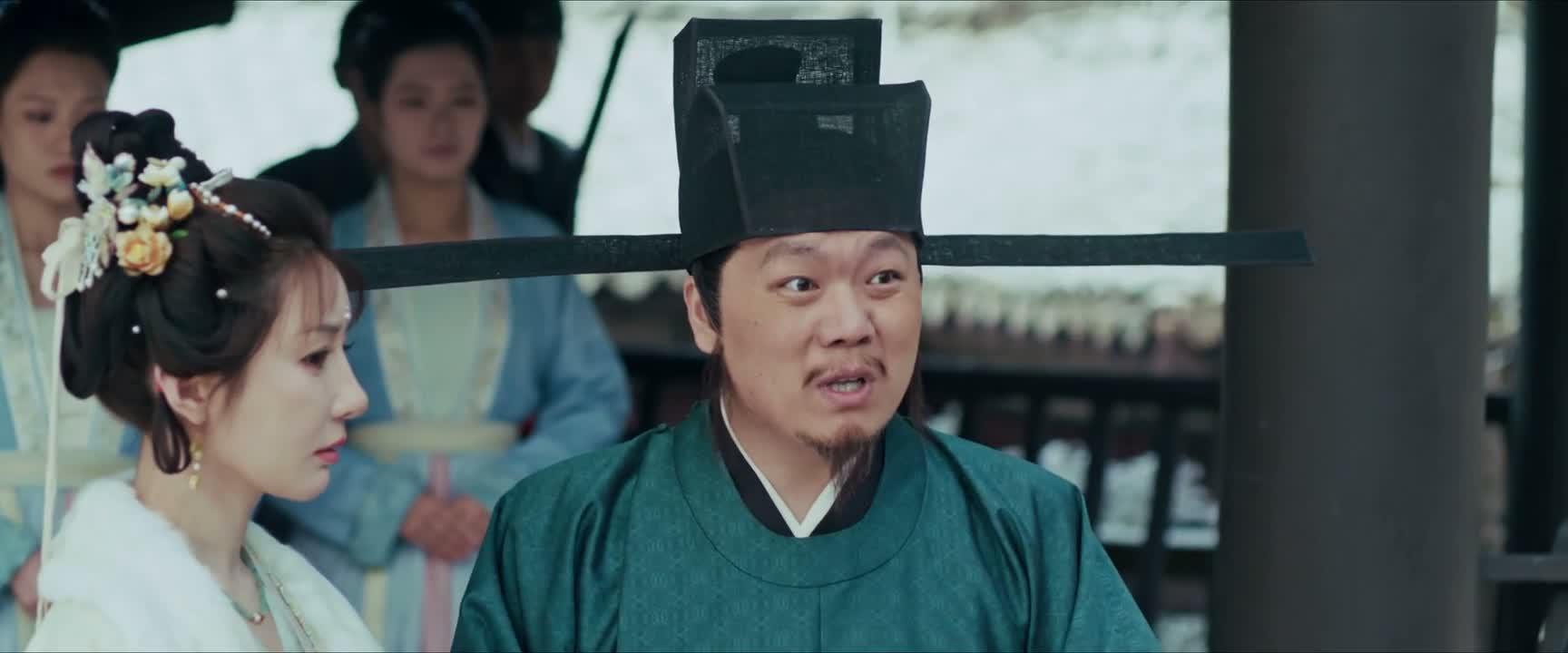
“I'll pretend I don't know.”

“Ms. Li, I truly don't know how to thank you.”

“Why am I not aware”

“I really don't know how to thank you.”
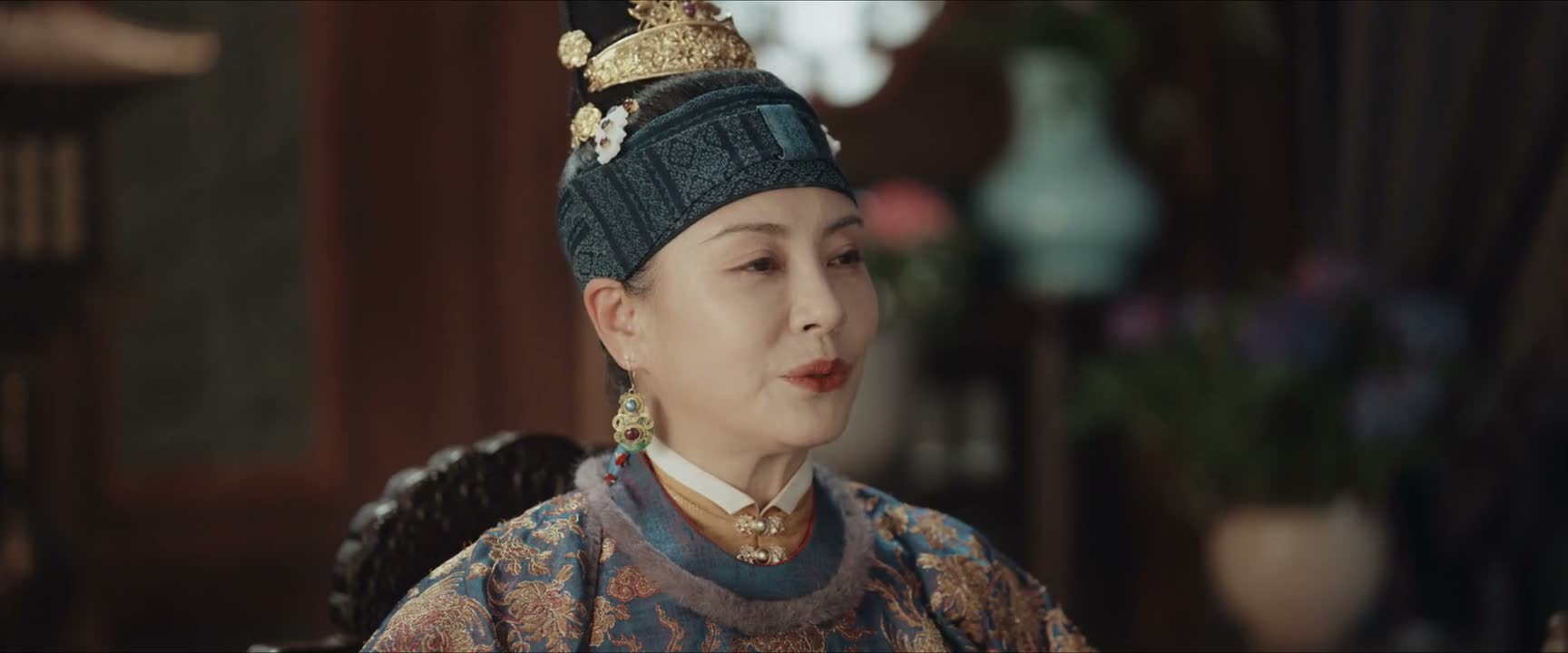
“I should also thank you.”