将阵亡之南赵人尸身及所擒之人
“The dead bodies of Nanzhao people and the Nanzhao people who were captured”
THE DIALOGUE REEL
今战息
“The battle ends today,”
将阵亡之南赵人尸身及所擒之人
“The dead bodies of Nanzhao people and the Nanzhao people who were captured”
尽皆交于南赵
“will be returned to Nanzhao?”
Direct spoken expression in this communicative setting.
Returning the remains of fallen enemies reflects traditional Chinese diplomatic decorum and battlefield ethics, allowing souls to be buried in their homeland.
LEARNING CHUNKS & PARTICLES
to die in battle; fallen (in combat)
A solemn and formal historical/military term for soldiers killed on the battlefield.
those who were captured; prisoners of war
A classical, written-style phrase used in historical narratives to refer to captives.
VOCABULARY & EXPRESSIONS
Parallel Spoken Cinema Scenes (语义近邻切片)
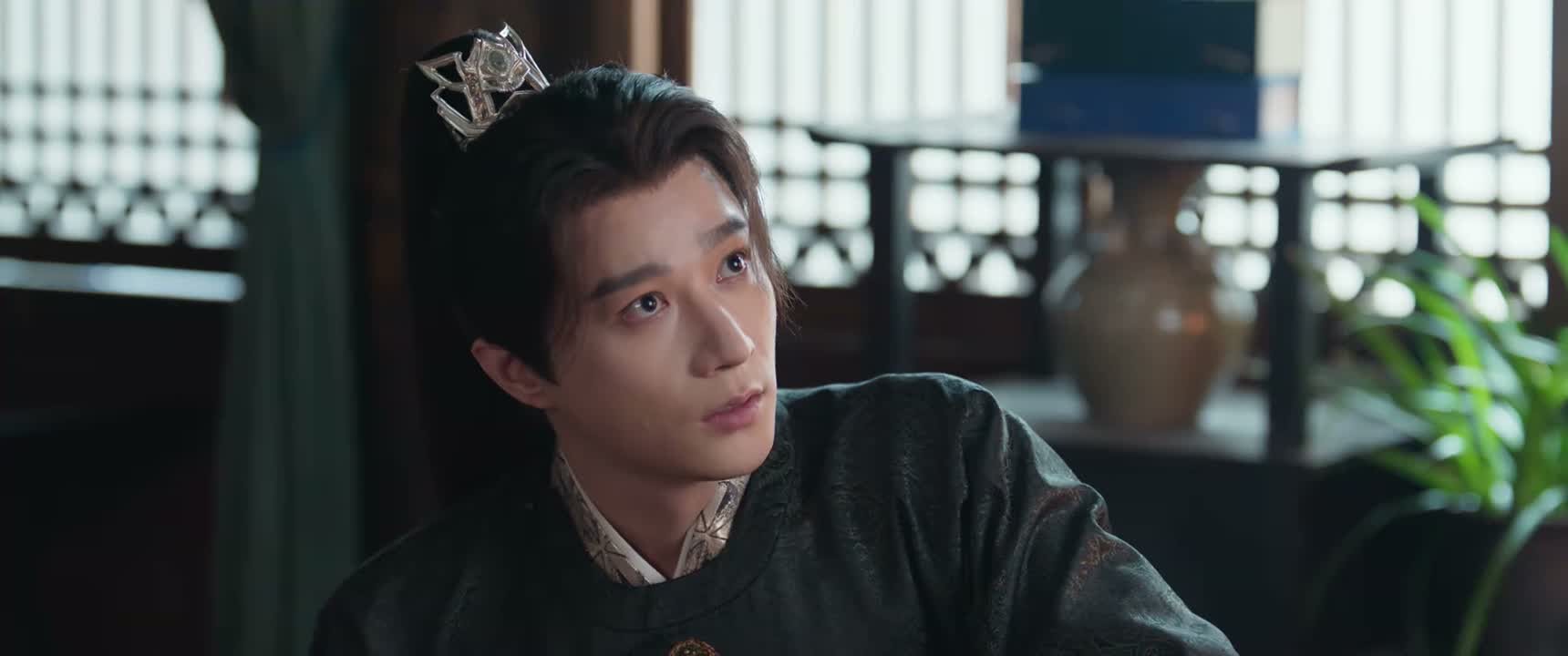
“The King of Nanzhao died a timely death.”
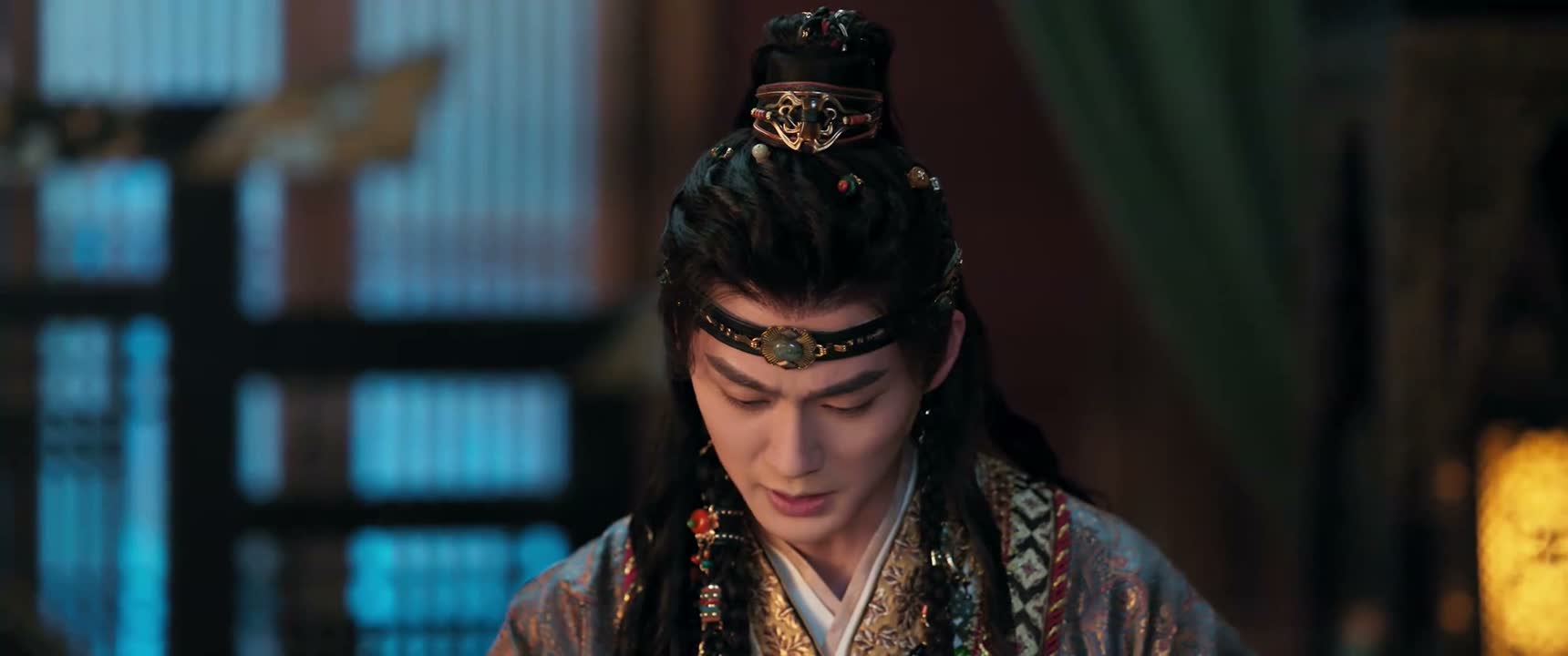
“started a confrontation at my border.”
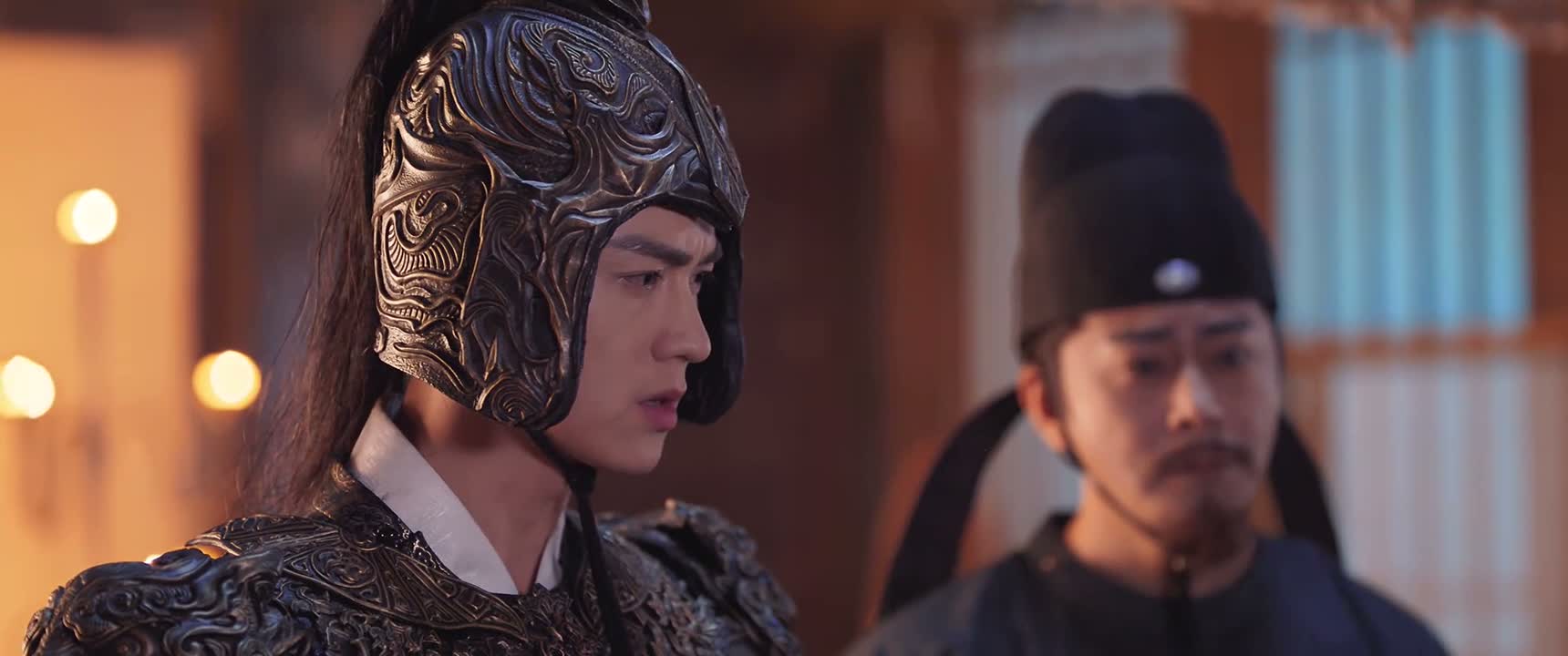
“Then for Nanzhao to dare launch a sudden attack at this moment,”
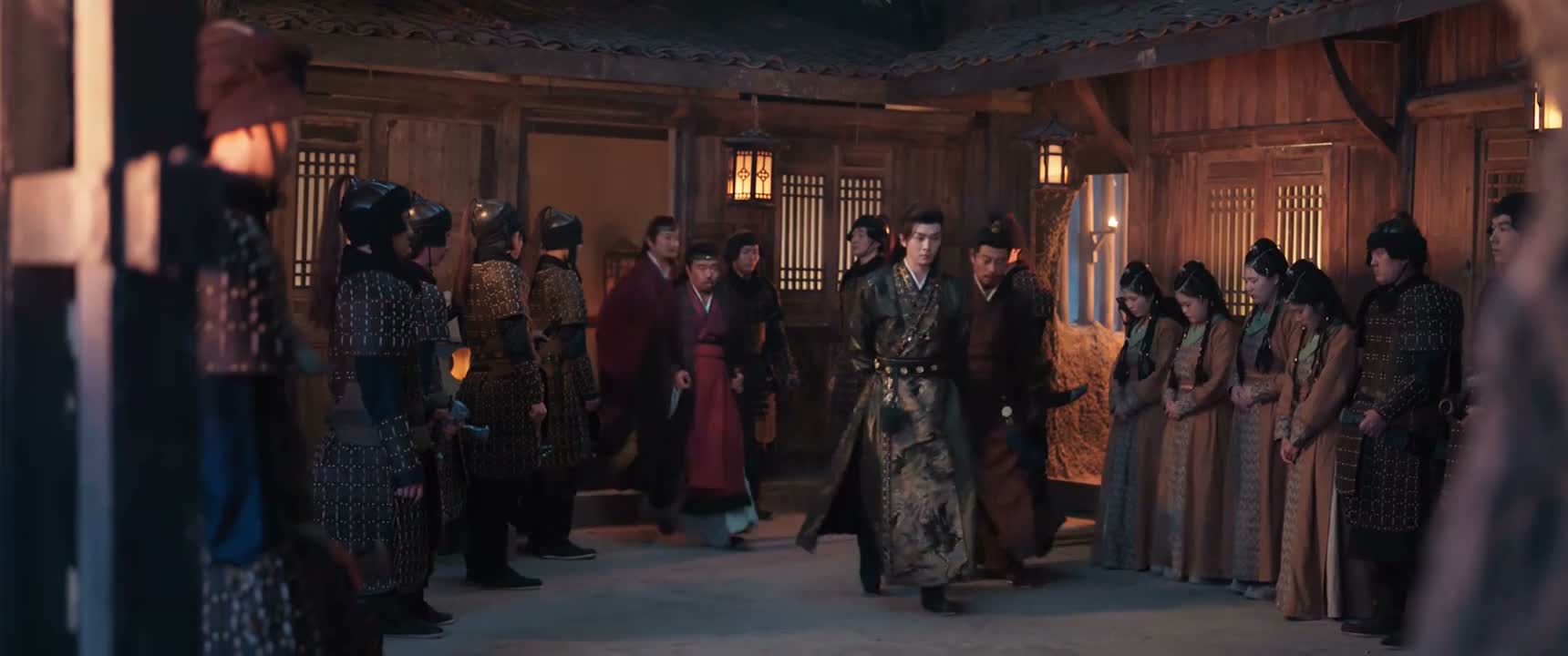
“I risked my whole life”
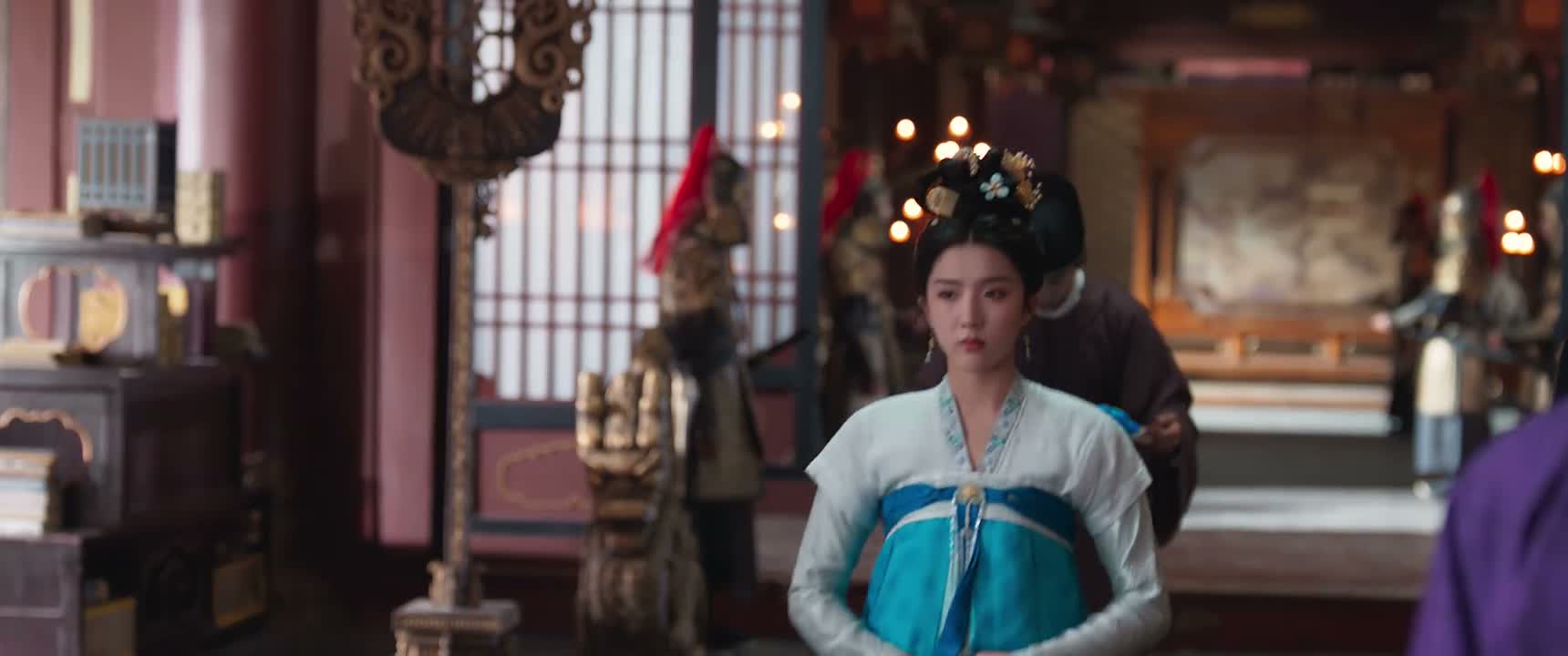
“(Nanzhao's ruthless ambition ends?)”
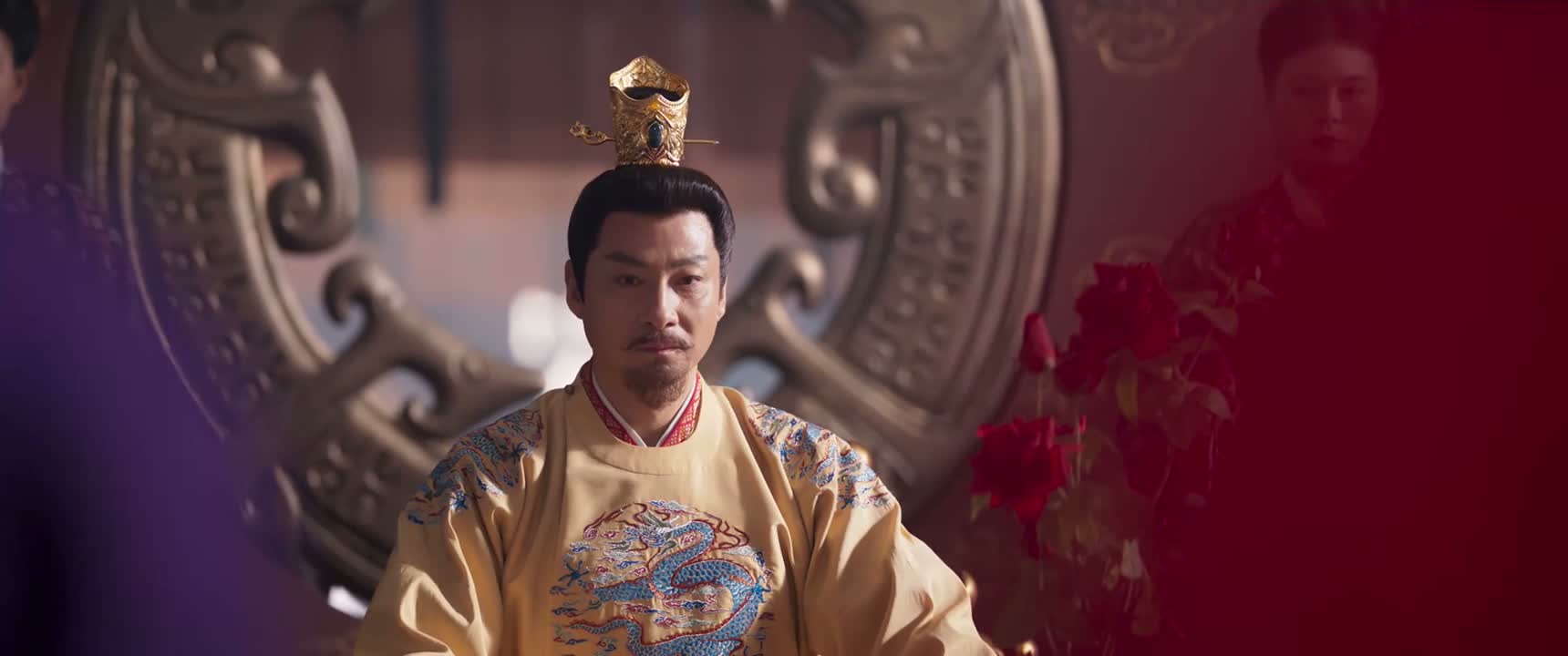
“if Nanzhao were responsible,”