那些脏衣服你别动 回来我洗
“Leave dirty clothes alone. I'll wash them later.”
THE DIALOGUE REEL
行了 你待着吧
“Alright, you stay.”
那些脏衣 服你 别动 回来 我洗
“Leave dirty clothes alone. I'll wash them later.”
“If Xiaofei annoys you, just smack him on the head.”
Direct spoken expression in this communicative setting.
In Chinese familial relationships, love and care are rarely spoken out loud; instead, they are shown through taking on burdensome physical chores like laundry and cooking.
LEARNING CHUNKS & PARTICLES
do not touch; leave it alone
A direct colloquial imperative instructing someone to leave an item untouched.
I will wash them when I return
A common spoken phrase where '回来' acts as a time connective meaning 'after returning'.
VOCABULARY & EXPRESSIONS
Parallel Spoken Cinema Scenes (语义近邻切片)

“My shirt is dirty, so I'm back to get changed.”
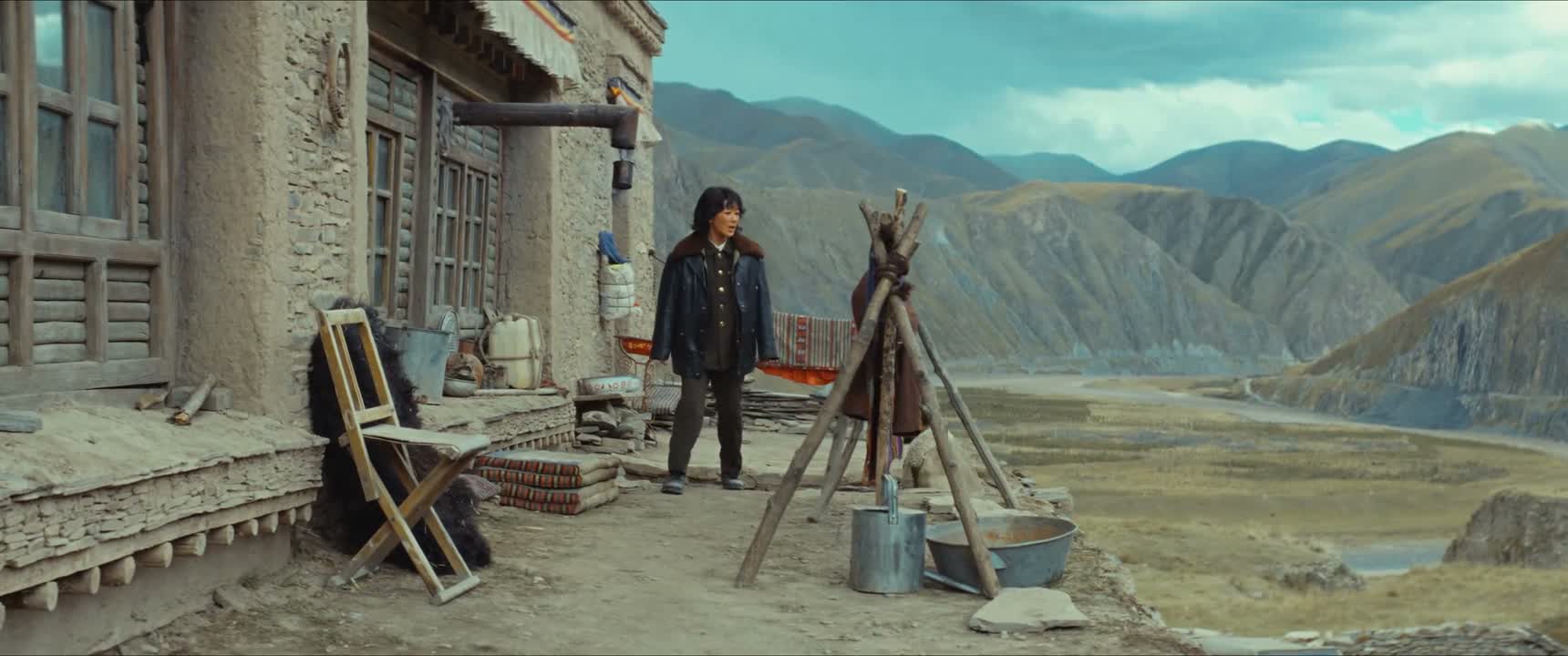
“It was filthy. Of course it needed washing.”

“This is every piece of clothing in your closet, isn't it? Sending all of them to the dry cleaners?”

“Socks on the floor, dirty clothes too. And he won't wash them himself.”

“If you keep washing it like this, this shirt of yours will have a huge hole again,”

“Take the clothes out. Hang up the ones you don't usually wear. Put the dirty ones aside.”