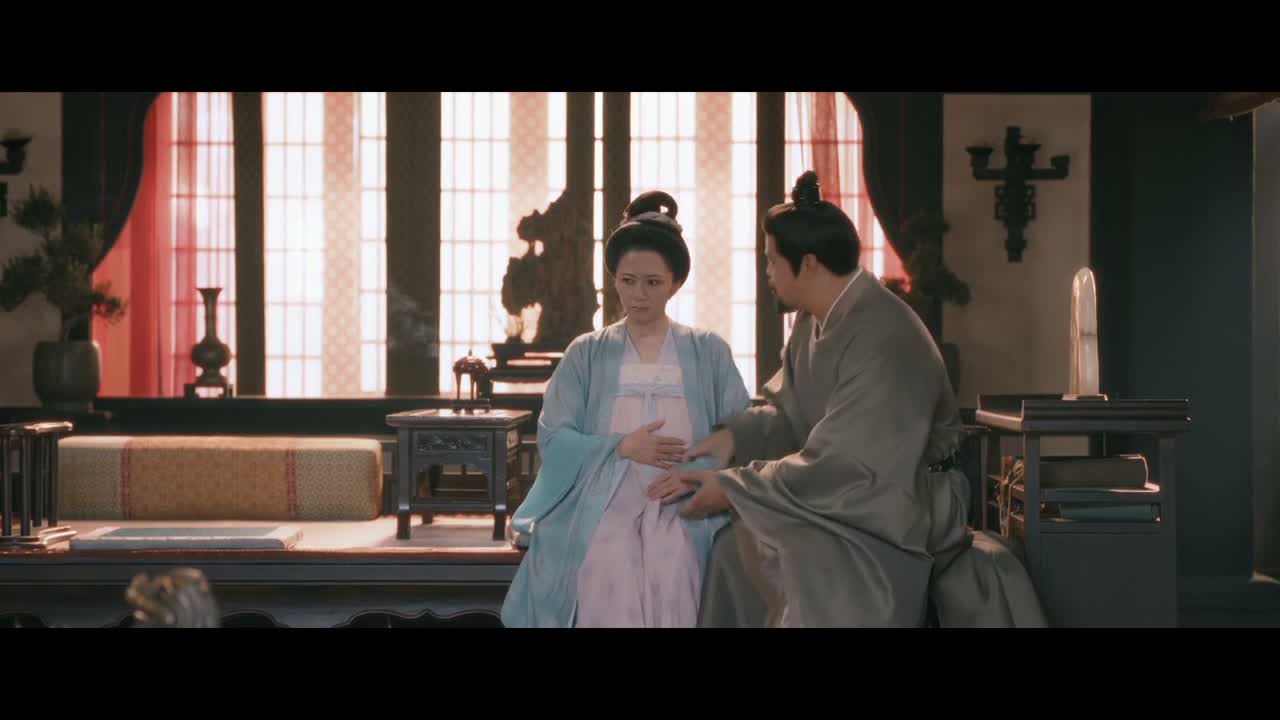
就是 可能 我对你不好吗
“It's just, maybe... Haven't I treated you well?”
THE DIALOGUE REEL
就是
“It's just...”
就是 可 能 我 对你不好吗
“It's just, maybe... Haven't I treated you well?”
好啊
“You have.”
“Don't you see how much I care about you? Please validate our relationship.”
Chinese speakers often seek emotional intimacy by asking whether practical care was provided rather than directly demanding verbal confessions of love.
LEARNING CHUNKS & PARTICLES
aren't I good to you?
A classic rhetorical pattern '对...不好吗' used in close relationships to request affection or emotional confirmation.
Transforms the statement into a rhetorical question seeking affirmation.
VOCABULARY & EXPRESSIONS
Parallel Spoken Cinema Scenes (语义近邻切片)

“I can treat you badly too.”

“That's not appropriate. Why not? I'll go with you”

“That wouldn't sit right with me. I'd feel terrible about it.”
“It's all my fault. It's all my fault.”

“I just feel this news is bad for you.”

“Have you considered me?”