烦死了 到底谁是小唯啊?
“It's driving me crazy. Who is Xiaowei, really?”
THE DIALOGUE REEL
“Why does everyone seem innocent and suspicious at the same time?”
烦死了 到底 谁是小唯啊?
“It's driving me crazy. Who is Xiaowei, really?”
放心 是狐狸的话 迟早会露出尾巴的
“Don't worry. A fox will show its tail sooner or later.”
Direct spoken expression in this communicative setting.
Appending '死了' (dead) to adjectives is standard colloquial Chinese to hyper-intensify negative feelings like annoyance, tiredness, or heat.
LEARNING CHUNKS & PARTICLES
so annoying; annoyed to death
Highly colloquial exclamation used to vent overwhelming irritation or impatience.
on earth; after all
Placed before interrogative pronouns like 'who' or 'what' to emphasize urgency or exasperation.
Functions in '烦死了' as an intensifier marking an extreme degree of emotion.
Heightens emotional intensity and rhetorical exasperation in the question.
VOCABULARY & EXPRESSIONS
Parallel Spoken Cinema Scenes (语义近邻切片)

“You're so annoying. Alright.”
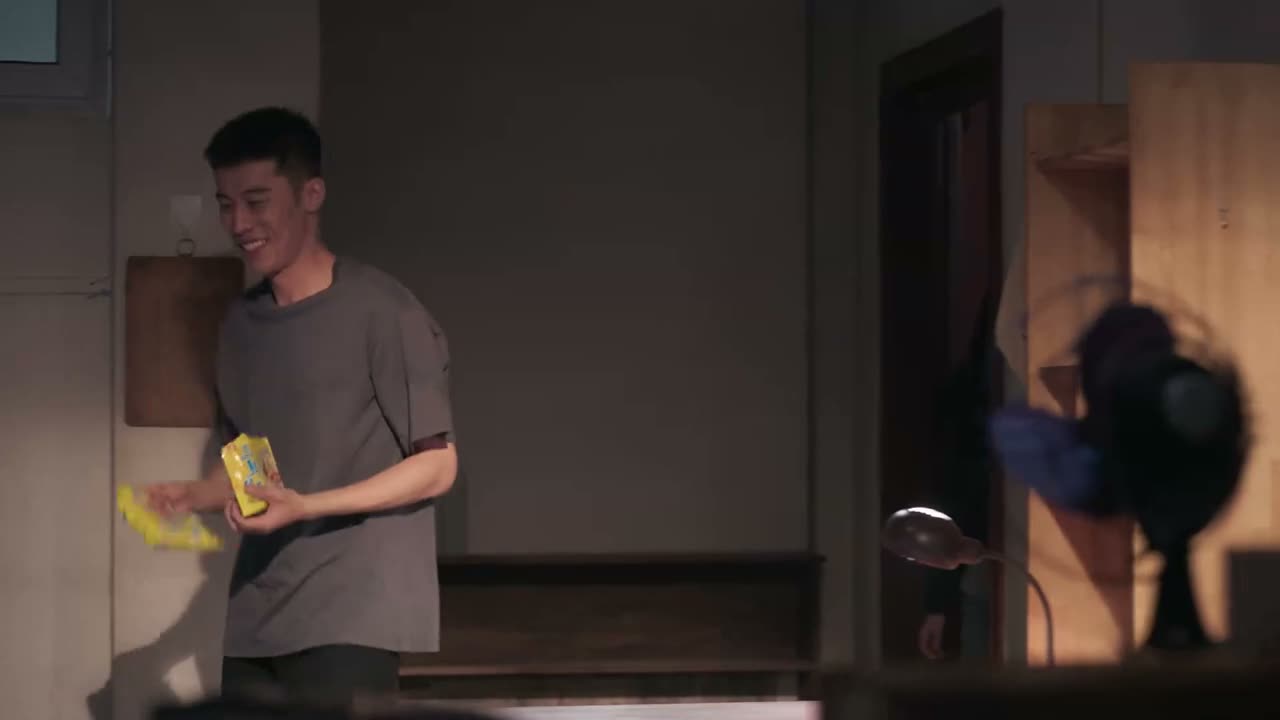
“Annoying. Boring.”

“So annoying! What do we do now? Let them go look.”
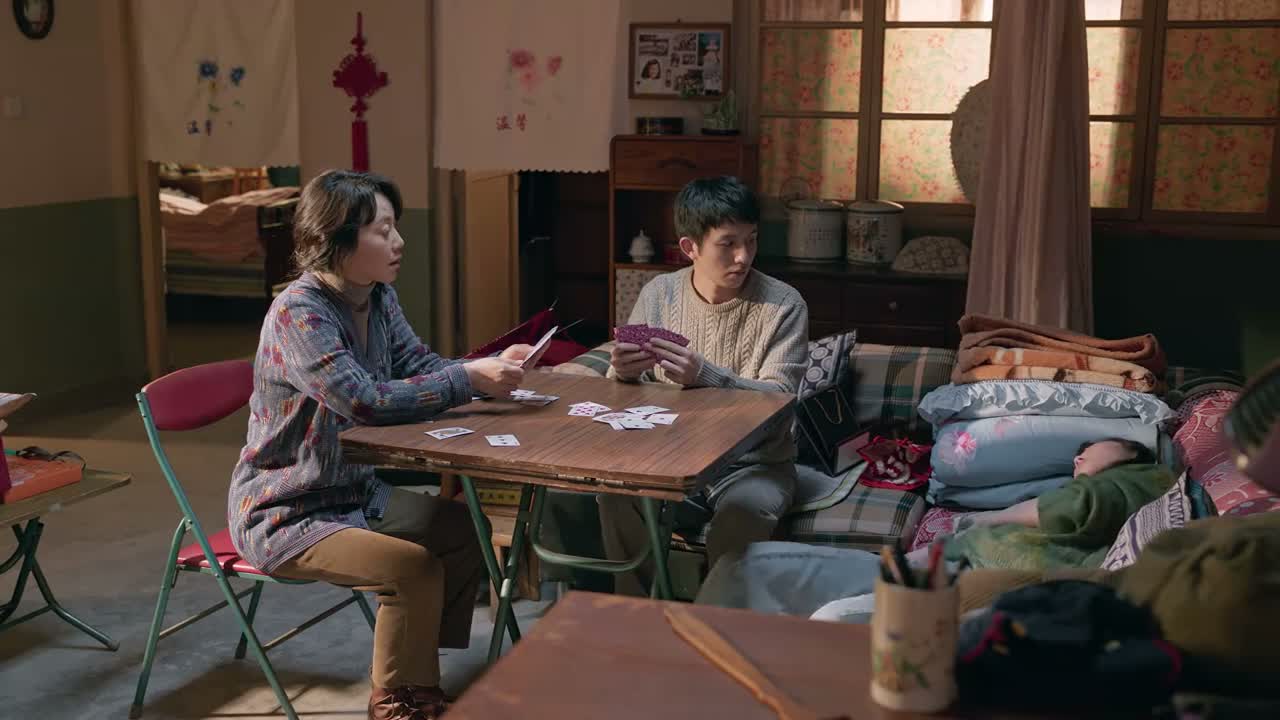
“So annoying. Will she return for Chinese New Year?”

“Get off. Do your job as a landlord properly.”

“So annoying. Can you shut up? We have to get up early tomorrow.”