MC
MandarinClips Cinema Corpus
《River Sunset》 S1·E20 (23:38) HSK 3
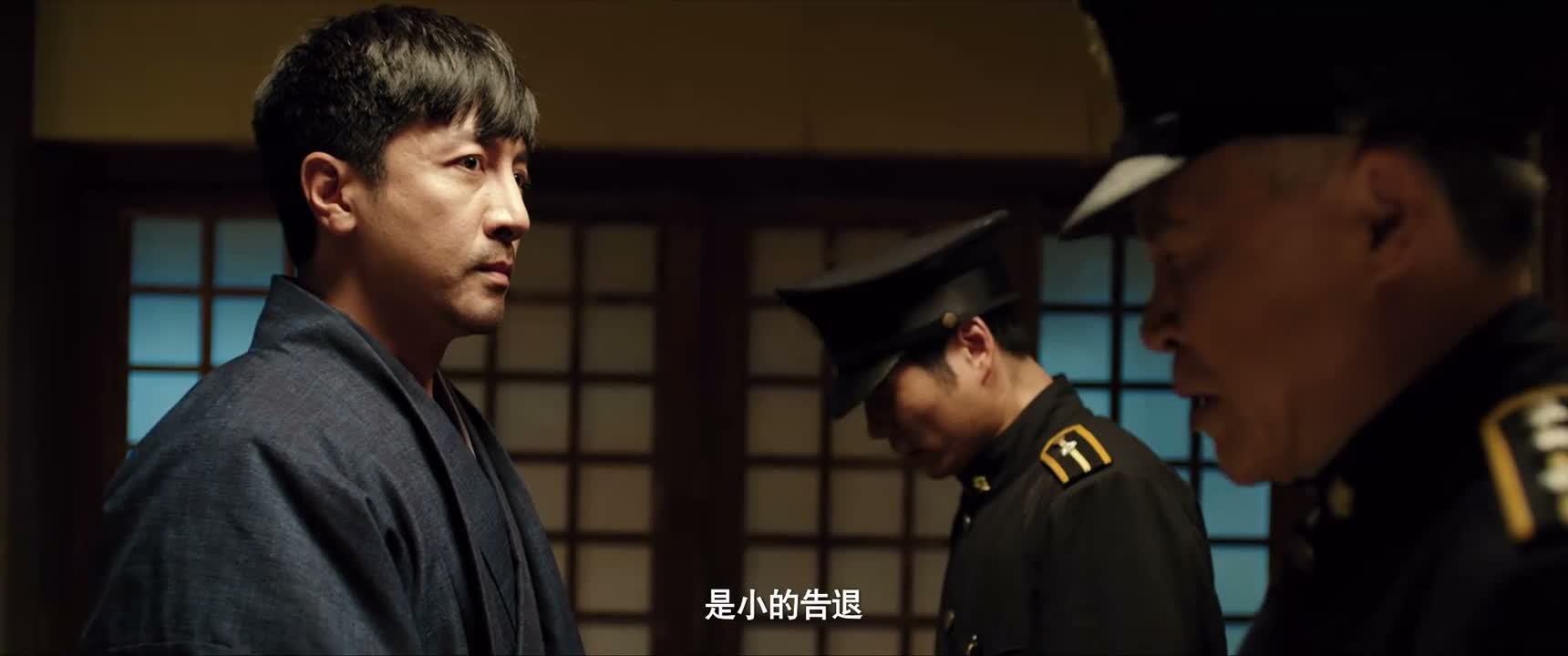
nà shǔ xià xiān gào tuì le

那属下先告退了

“Then I shall take my leave first.”

《River Sunset》 S1·E20
TIMECODE: 23:38 · 1080P MASTER AUDIO

THE DIALOGUE REEL

1+1+1 SPOKEN CONTINUITY
[-1] PREVIOUS TURN shì

是

“Yes.”

nà shǔ xià xiān gào tuì le CURRENT FOCUS

那 属下先告退了

“Then I shall take my leave first.”

[+1] FOLLOW-UP TURN xìng gé nèi xiàng ér mǐn ruì de téng tián

“The introverted and keen Fujita”

Subtitles synced to millisecond timecode Browse Show Clips →
Scene: Historical & Court
Function: FORMAL LEAVE TAKING
Tone: DEFERENTIAL
Emotion: RESPECT
WHAT THEY REALLY MEAN (PRAGMATIC SUBTEXT)

Direct spoken expression in this communicative setting.

💡 Cultural Insight: Hierarchical Deference (Zunbei Youxu)

Strict traditional Chinese hierarchy required subordinates to explicitly ask or state their departure using self-deprecating pronouns and deference verbs.

INTENT TAGS: #leave_taking #deference #hierarchy #protocol
🧩

LEARNING CHUNKS & PARTICLES

2 CHUNKS · 1 PARTICLES
属下 SPOKEN CHUNK

subordinate; your servant

A humble self-referential term used by subordinates when addressing superiors in period or military dramas.

告退 SPOKEN CHUNK

to take one's leave; to withdraw

A formal and archaic verb used exclusively to announce one's departure before a figure of authority.

Modal Particle「了」 (le) CHANGE OF STATE

Marks the imminent transition of action and softens the formal leave-taking.

🏮

VOCABULARY & EXPRESSIONS

1 EXPR · 4 GRAMMAR
CROSS-CINEMA CORPUS BOARD · PARALLEL SCENES

Parallel Spoken Cinema Scenes (语义近邻切片)

EXPLORE BY SEMANTIC SIMILARITY
《River Sunset》 S1·E20 (23:38) · Authentic Cinema Dialogue Corpus