我把所有的责任 都揽到自己身上
“so I took all the responsibilities.”
THE DIALOGUE REEL
当初是我病了
“I was sick then,”
我把所 有的 责任 都揽到 自己 身上
“so I took all the responsibilities.”
“But over the years, have you done what a father should do?”
“I sacrificed myself and protected everyone else by bearing the entire blame, so do not treat me like the villain.”
Taking unilateral responsibility in Chinese family culture is often viewed as a noble sacrifice, though it frequently leads to deep misunderstandings and unresolved emotional trauma.
LEARNING CHUNKS & PARTICLES
to take (blame/responsibility) upon oneself
Commonly paired with '责任' (responsibility) or '过错' (fault) to describe willingly taking the heat.
all the responsibility
Emphatic phrasing used to highlight complete, unshared accountability.
VOCABULARY & EXPRESSIONS
Parallel Spoken Cinema Scenes (语义近邻切片)

“I'll take full responsibility for all consequences. Okay?”

“But everything happened because of me. I'll take my punishment.”
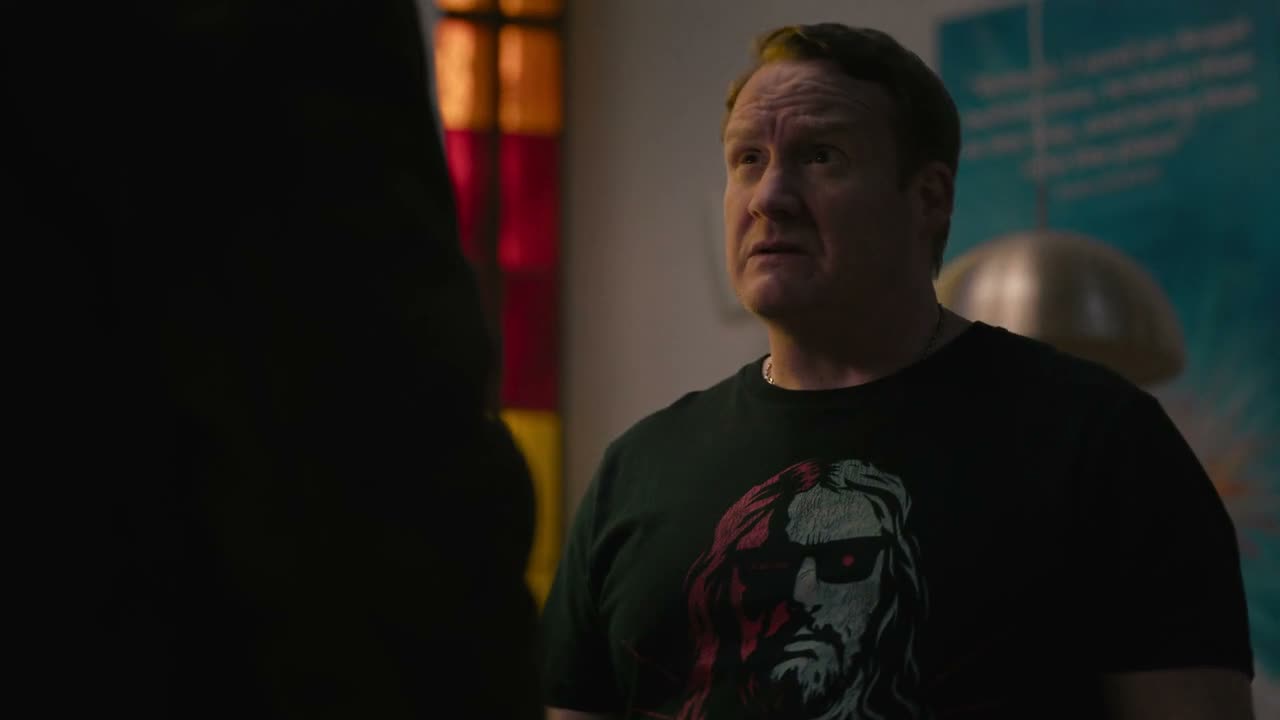
“I've taken responsibility for everything I did.”

“I'll take responsibility for anything.”

“I've got this. All set.”