MC
MandarinClips Cinema Corpus
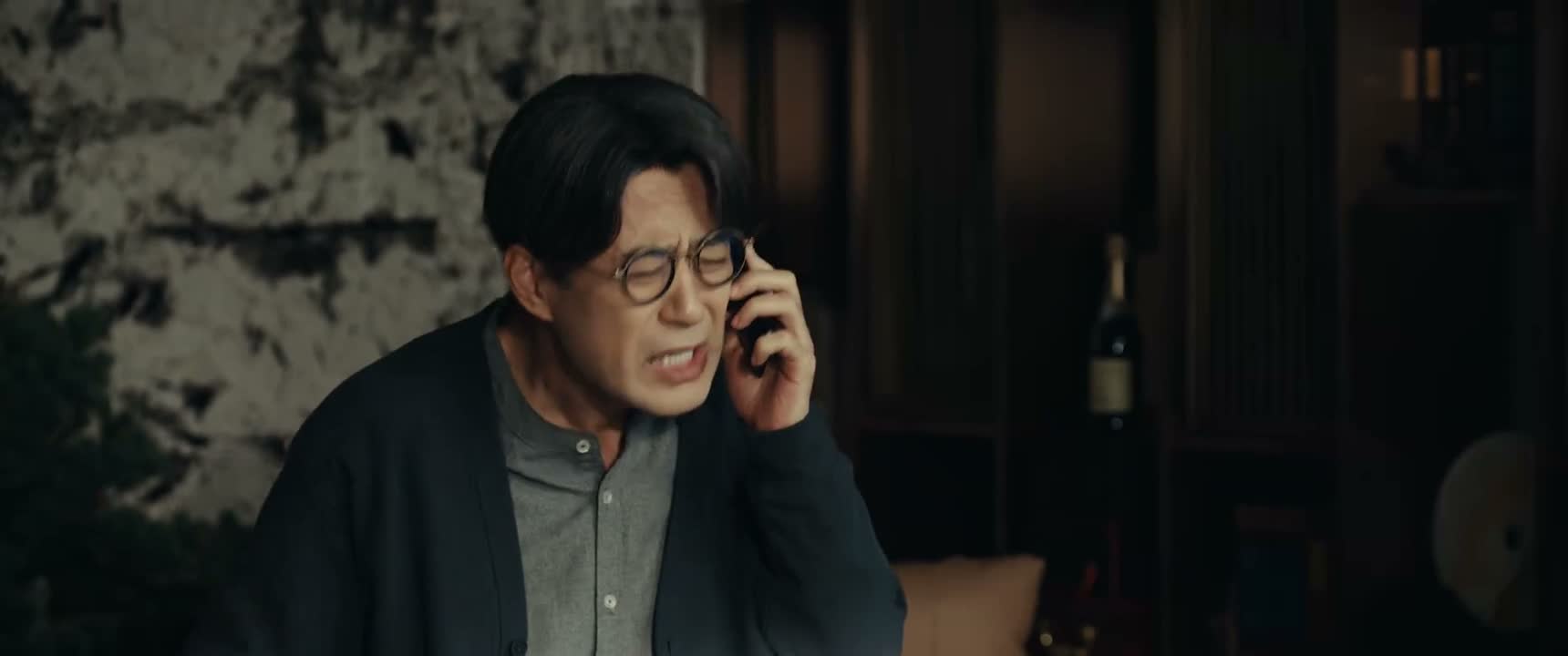
《The Heir》 S1·E19 (14:49) HSK 7
bié rén qǔ xiào wǒ jiù suàn le nín zěn me yě qǔ xiào wǒ ya

别人取笑我就算了 您怎么也取笑我呀

“It's one thing for others to make fun of me, but why are you doing it too?”

《The Heir》 S1·E19
TIMECODE: 14:49 · 1080P MASTER AUDIO

THE DIALOGUE REEL

1+1+1 SPOKEN CONTINUITY
[-1] PREVIOUS TURN yé yé

爷爷

“Grandfather.”

bié rén qǔ xiào wǒ jiù suàn le nín zěn me yě qǔ xiào wǒ ya CURRENT FOCUS

别人 取笑 我 就算了 您 怎么 也 取笑 我呀

“It's one thing for others to make fun of me, but why are you doing it too?”

[+1] FOLLOW-UP TURN wǒ yǐ qián shì nián shào bù dǒng shì xiàn zài wǒ zhè jiù shì zuò diǎn xiǎo shēng yì

我以前是年少不懂事 现在我这就是做点小生意

“I was young and ignorant before. Now I'm just doing a little business.”

Subtitles synced to millisecond timecode Browse Show Clips →
Scene: Family & Home
Function: PLAYFUL PROTEST
Tone: TEASING
Emotion: EMBARRASSMENT
WHAT THEY REALLY MEAN (PRAGMATIC SUBTEXT)
“You are supposed to be on my side, stop teasing me!”
💡 Cultural Insight: Sajiao (Petulant Charm) with Elders

Younger generations often adopt a mild, feigned grievance toward affectionate grandparents to maintain intimacy and deflect embarrassment.

INTENT TAGS: #playful_protest #deflection #bonding #feigned_grievance
🧩

LEARNING CHUNKS & PARTICLES

2 CHUNKS · 1 PARTICLES
就算了 SPOKEN CHUNK

let it be / never mind that

Used to dismiss or concede a minor issue in contrast to a more significant one.

取笑 SPOKEN CHUNK

to make fun of / to poke fun at

A spoken word used when someone teases or mocks another person in good or bad humor.

Modal Particle「呀」 (ya) CHANGE OF STATE

Softens the rhetorical question into an affectionate, slightly whining complaint.
🏮

VOCABULARY & EXPRESSIONS

3 EXPR · 0 GRAMMAR
CROSS-CINEMA CORPUS BOARD · PARALLEL SCENES

Parallel Spoken Cinema Scenes (语义近邻切片)

EXPLORE BY SEMANTIC SIMILARITY
《The Heir》 S1·E19 (14:49) · Authentic Cinema Dialogue Corpus