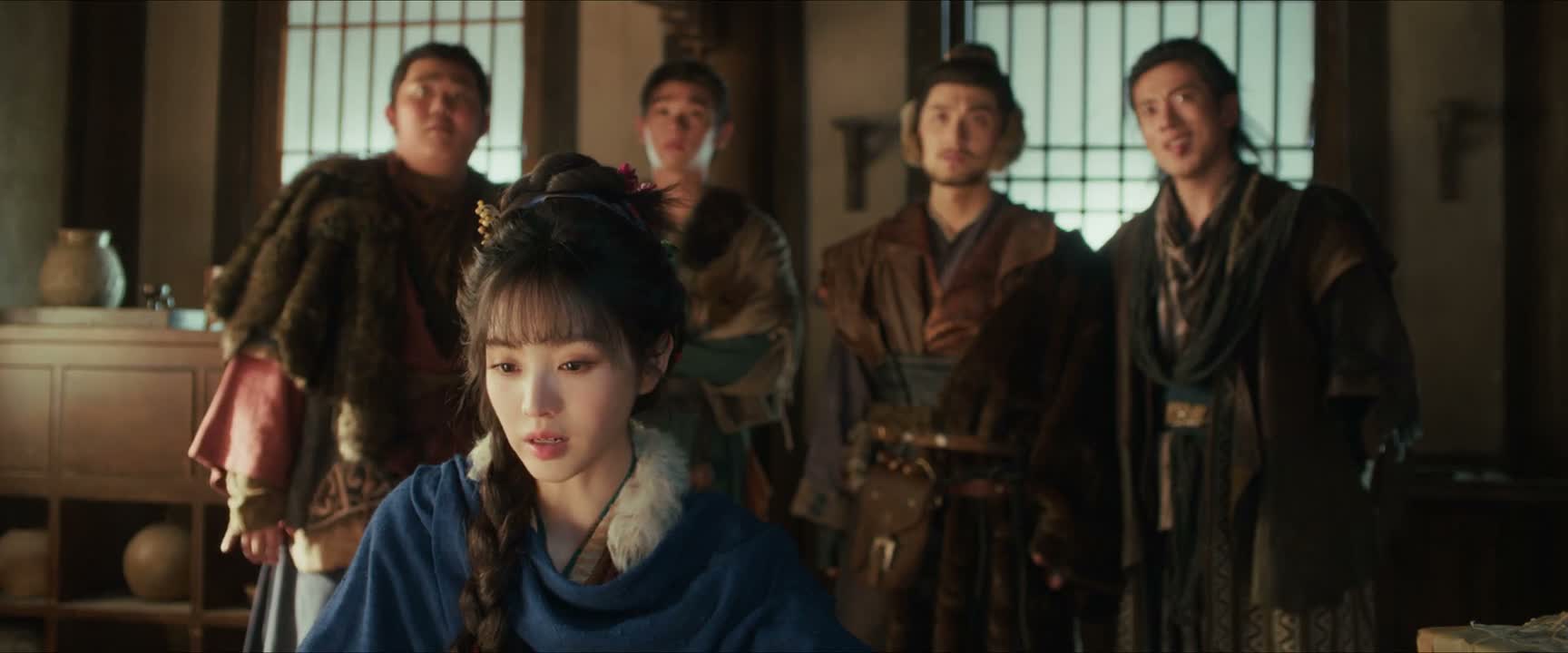
《The Heir》 S1·E19 (18:52)
HSK 3
yǒu láo qī dōng jiā
有劳戚东家
“Thank you for your trouble, Master Qi.”
《The Heir》
S1·E19
TIMECODE: 18:52
·
1080P MASTER AUDIO
THE DIALOGUE REEL
yǒu láo qī dōng jiā
CURRENT FOCUS
有劳 戚 东家
“Thank you for your trouble, Master Qi.”
[+1] FOLLOW-UP TURN
lǎo fū rén liù yé nín èr wèi qiān wàn bú yào kè qì
“Old Madam, Sixth Master Li, please don't be so polite.”
Subtitles synced to millisecond timecode
Browse Show Clips →
Scene:
Historical & Court
Function:
EXPRESSING GRATITUDE
Tone:
POLITE, FORMAL, AND REVERENT
Emotion:
GRATITUDE
WHAT THEY REALLY MEAN (PRAGMATIC SUBTEXT)
Direct spoken expression in this communicative setting.
💡 Cultural Insight: Traditional Politeness (Ke Qi)
Acknowledging the trouble or physical labor an associate undertook ('有劳') shows proper social deference and mutual honor between respected families.
INTENT TAGS:
#politeness
#appreciation
#formality
#deference
🧩
2 CHUNKS · 0 PARTICLES
LEARNING CHUNKS & PARTICLES
有劳
SPOKEN CHUNK
thank you for your trouble / much obliged
A classical and highly polite spoken formula used to thank someone for performing a task on one's behalf.
东家
SPOKEN CHUNK
master / boss / business proprietor
A traditional historical title for business owners, landlords, or financial backers.
🏮
2 EXPR · 0 GRAMMAR
VOCABULARY & EXPRESSIONS
COLLOQUIAL EXPRESSIONS:
CROSS-CINEMA CORPUS BOARD · PARALLEL SCENES
EXPLORE BY SEMANTIC SIMILARITY
Parallel Spoken Cinema Scenes (语义近邻切片)

《The Heir》 S1·E19 (18:52) · Authentic Cinema Dialogue Corpus