是不是真给照到了
“if it really blinded him?”
THE DIALOGUE REEL
谁知道
“Who knows”
是不是 真给照到了
“if it really blinded him?”
也对
“Right.”
“Are you sure the camera actually caught anything, or are we jumping to conclusions?”
In northern Mandarin vernacular, '给' is frequently used before verbs to reinforce a passive or completed result, making the utterance feel lively and conversational.
LEARNING CHUNKS & PARTICLES
is it or not; could it be that
Placed at the beginning of a sentence to introduce a speculative question or seek confirmation.
got photographed; captured by camera
Uses '给' as a colloquial marker of passive or affected action, often used in northern spoken Chinese.
Marks the completion or realization of the action of taking the photo/capturing the shot.
VOCABULARY & EXPRESSIONS
Parallel Spoken Cinema Scenes (语义近邻切片)
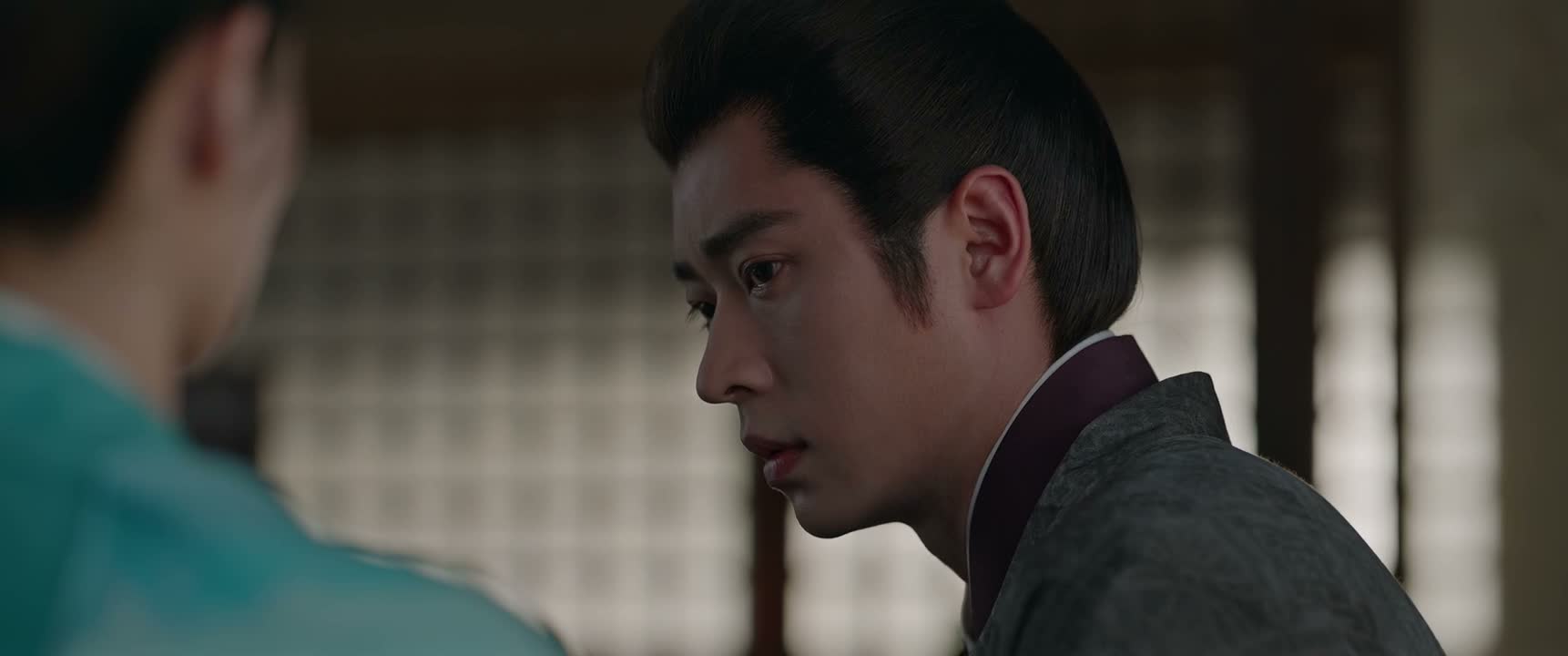
“I want to know if they're true.”
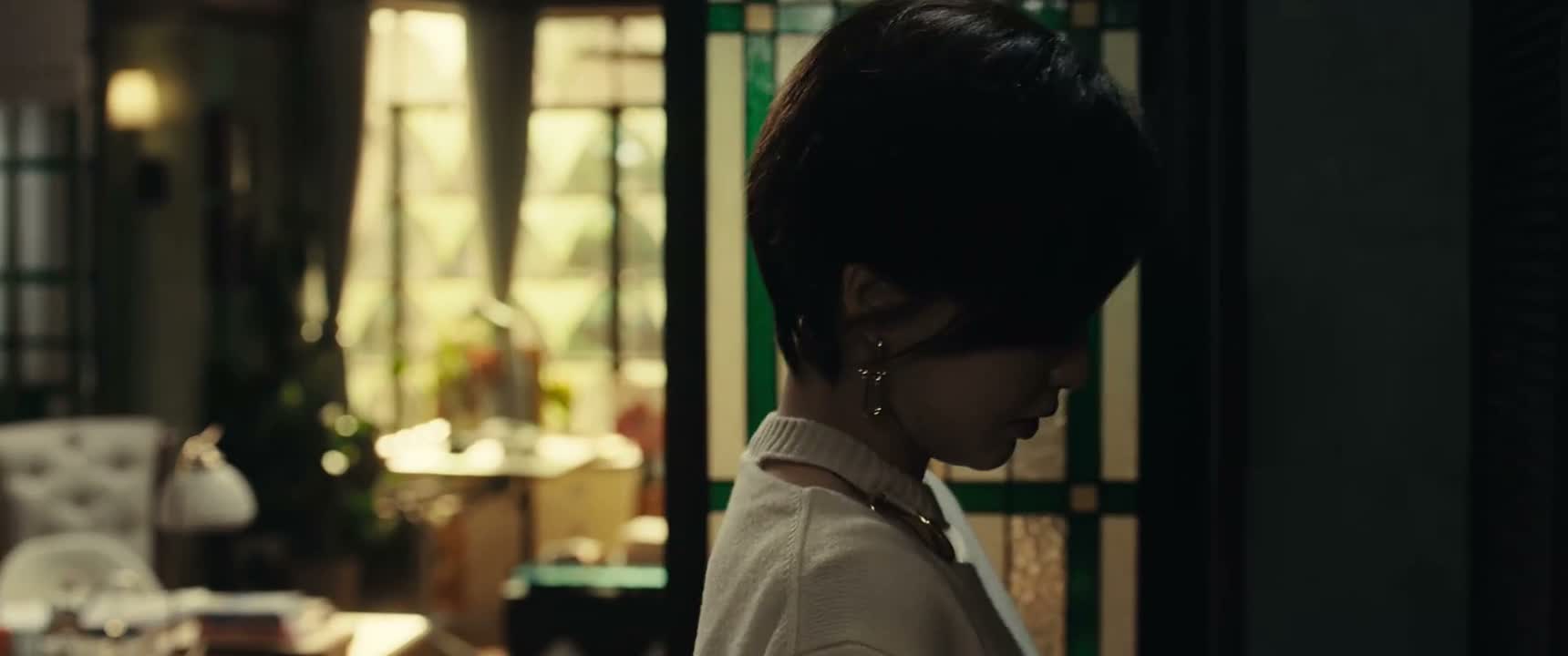
“I don't know if it's true.”
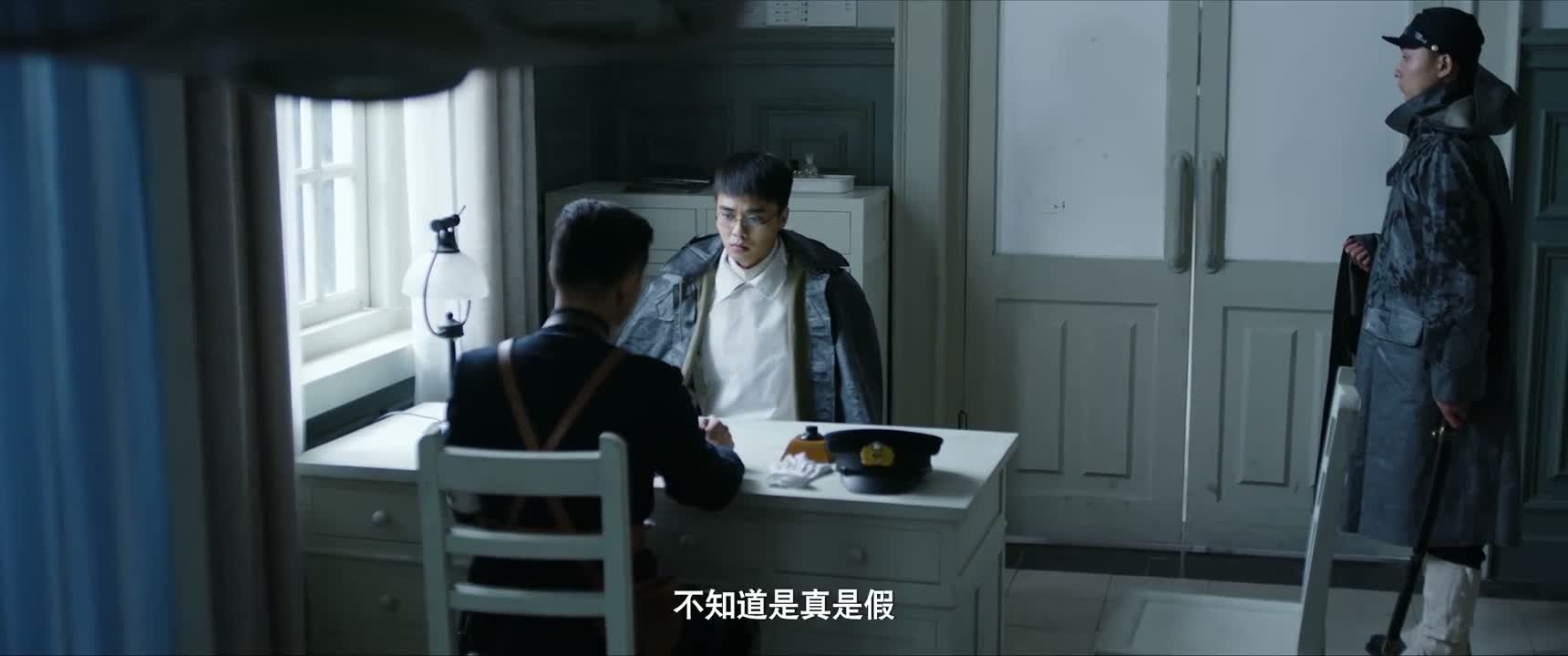
“I don't know if it's true or false.”
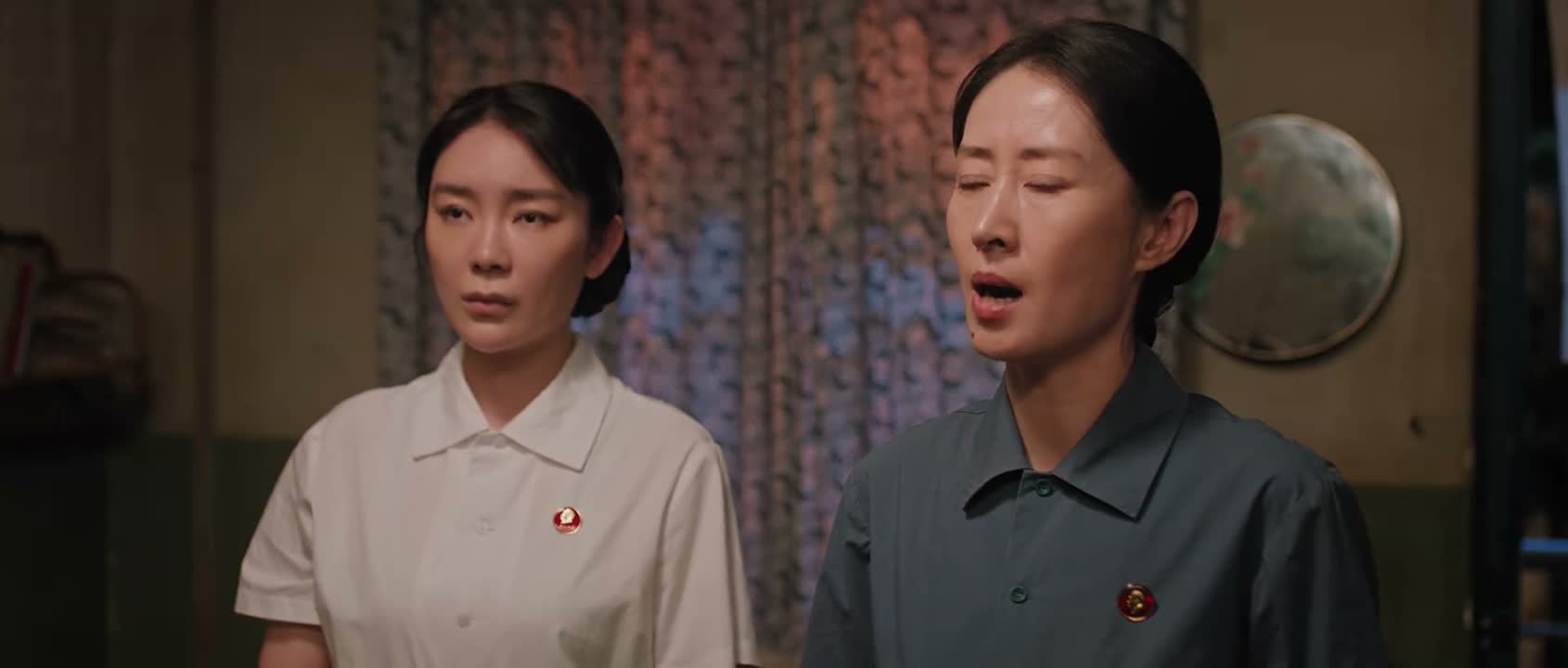
“Alright? We've confirmed the truth of it,”
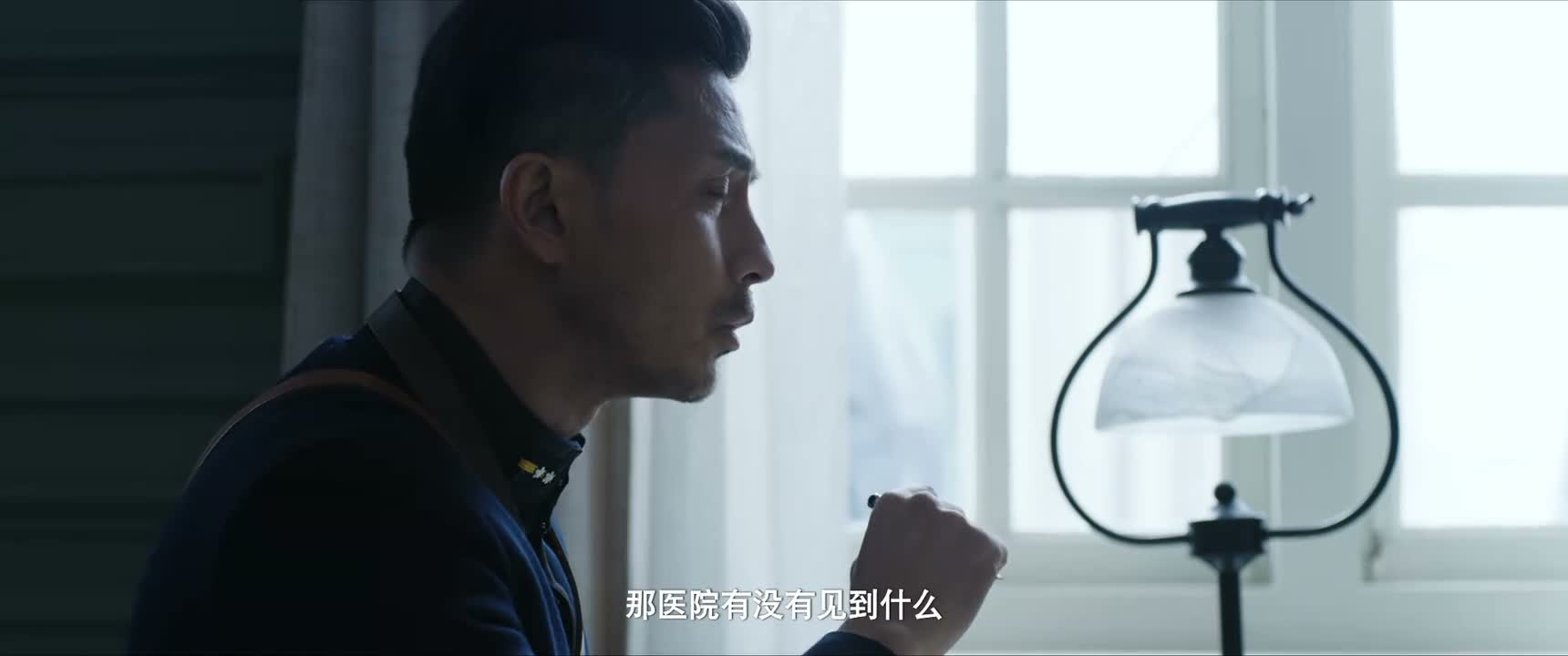
“Then at the hospital, did you see any”
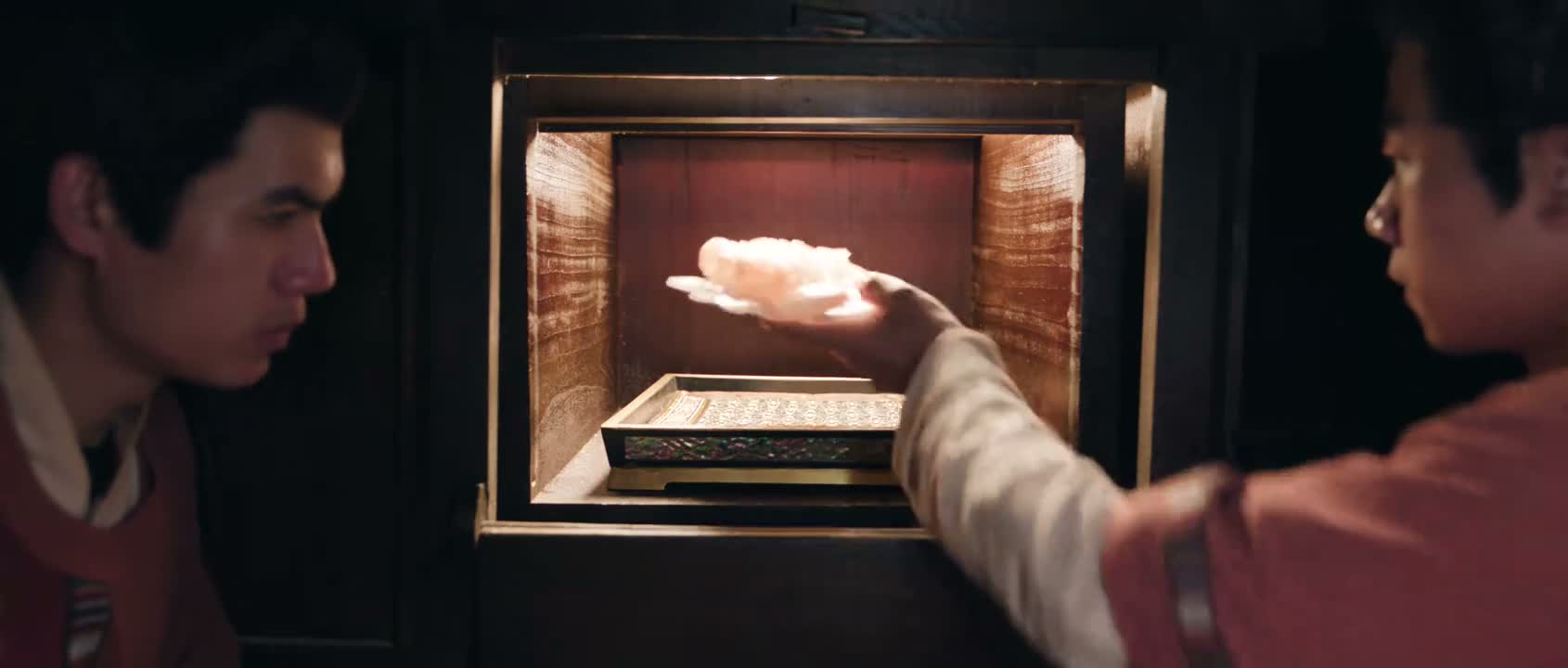
“There's no way this is fake.”