李亦非 你幼不幼稚 小学生啊你
“Li Yifei, are you a child? Are you in elementary school?”
THE DIALOGUE REEL
停车 你听到没有
“Stop the car! Do you hear me?”
李亦非 你 幼不幼稚 小学生啊你
“Li Yifei, are you a child? Are you in elementary school?”
“Look how uncoordinated you are. You...”
“Stop acting like a brat and grow up already.”
In contemporary Chinese social and romantic dynamics, teasing someone as an 'elementary school student' reflects close rapport where playful insults signal emotional closeness.
LEARNING CHUNKS & PARTICLES
childish or not / aren't you being childish
An A-not-A adjective construction used to confront someone playfully or indignantly about their immature actions.
are you an elementary schooler / you're acting like a kid
A popular conversational jab with inverted word order, used to mock someone throwing a fit or acting childishly.
Softens the rhetorical question into an exasperated, conversational jab rather than a hostile accusation.
VOCABULARY & EXPRESSIONS
Parallel Spoken Cinema Scenes (语义近邻切片)

“Li Yifei, you can't act like such a spoiled young master.”
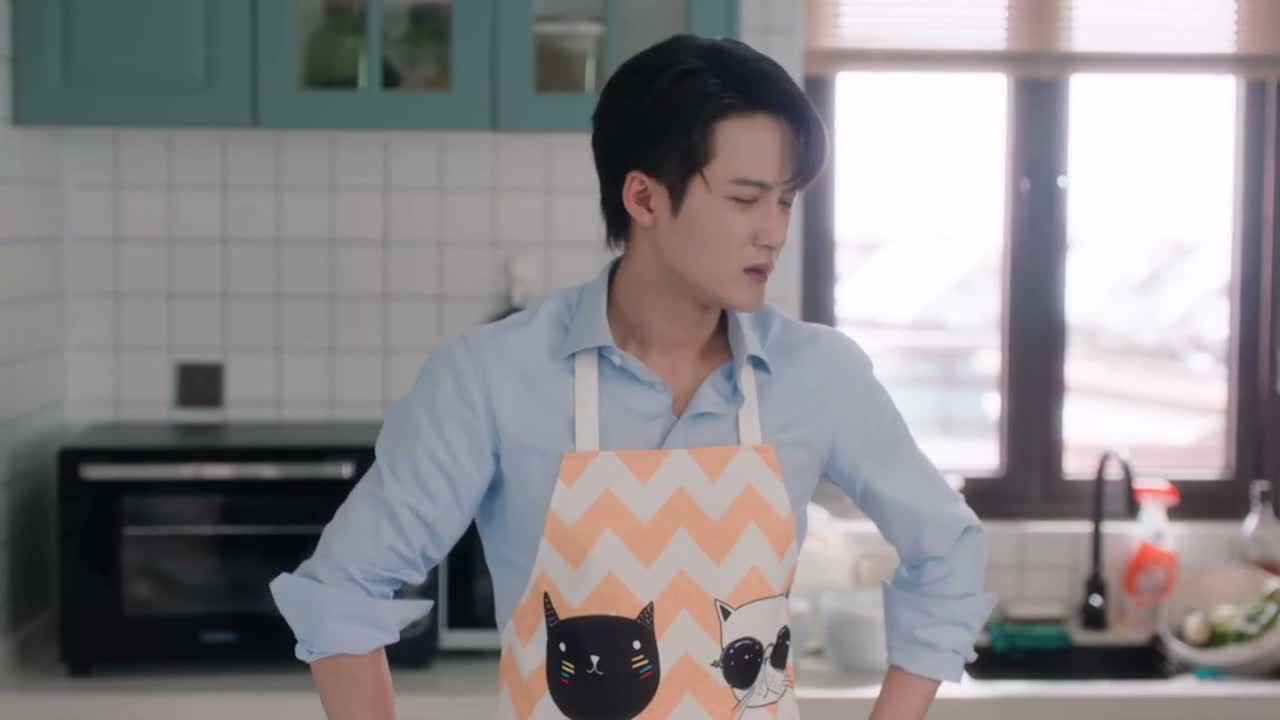
“Li Yifei, you're hopeless.”

“Li Yifei. Stop talking down to me.”

“Li Yife, that was harsh.”

“I've never been wronged like this”

“Li Yifei, if you have something to say, just say it.”