没事吧 没事吧 没事吧
“Are you okay? Are you alright?”
THE DIALOGUE REEL
没事吧 没事吧 没事吧
“Are you okay? Are you alright?”
Direct spoken expression in this communicative setting.
Triple repetition of short formulas in spoken Chinese commonly conveys acute panic, care, and an immediate demand for confirmation of safety.
LEARNING CHUNKS & PARTICLES
Are you alright? / Is everything okay?
The universal spoken question to ask when someone may have been hurt, frightened, or faced an accident.
Turns the statement into an inquiry seeking confirmation and reassurance.
VOCABULARY & EXPRESSIONS
Parallel Spoken Cinema Scenes (语义近邻切片)
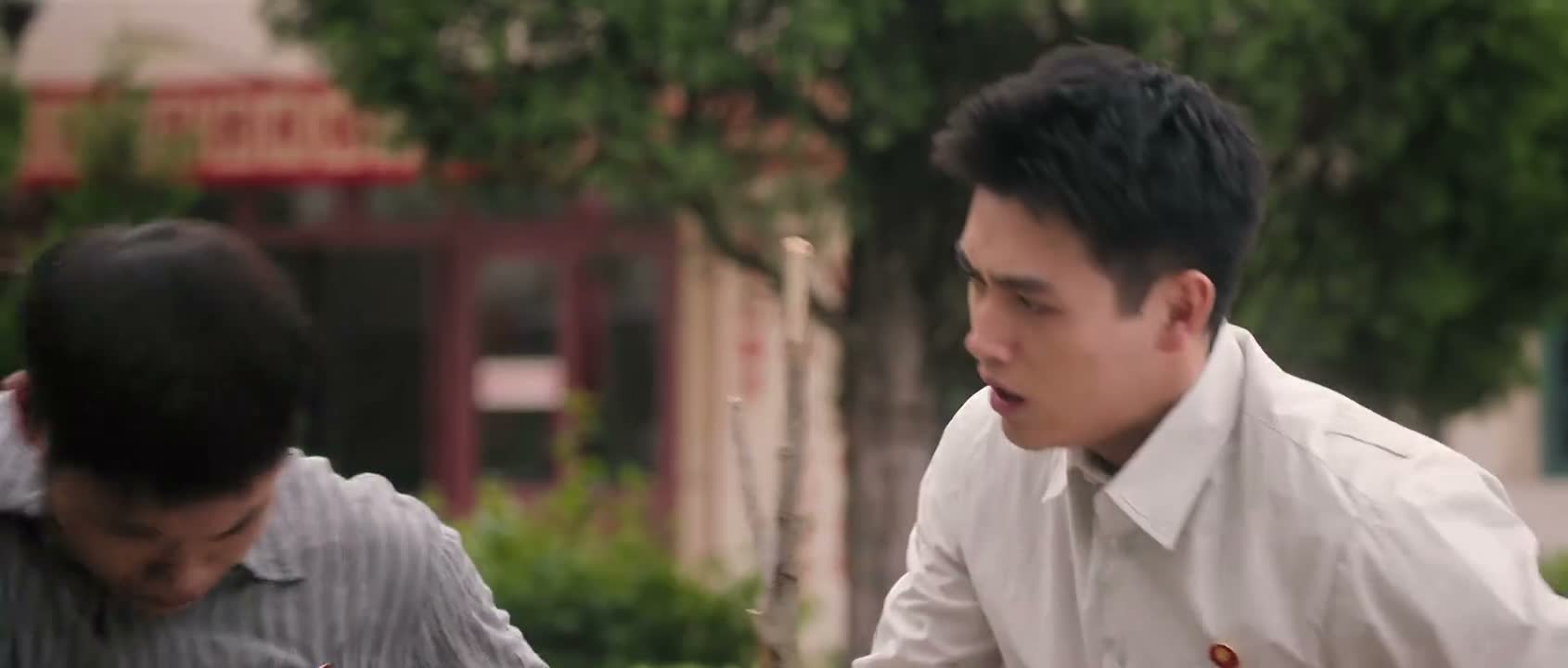
“Are you okay? I'm fine.”

“Are you all right? I'm fine. Slow down.”
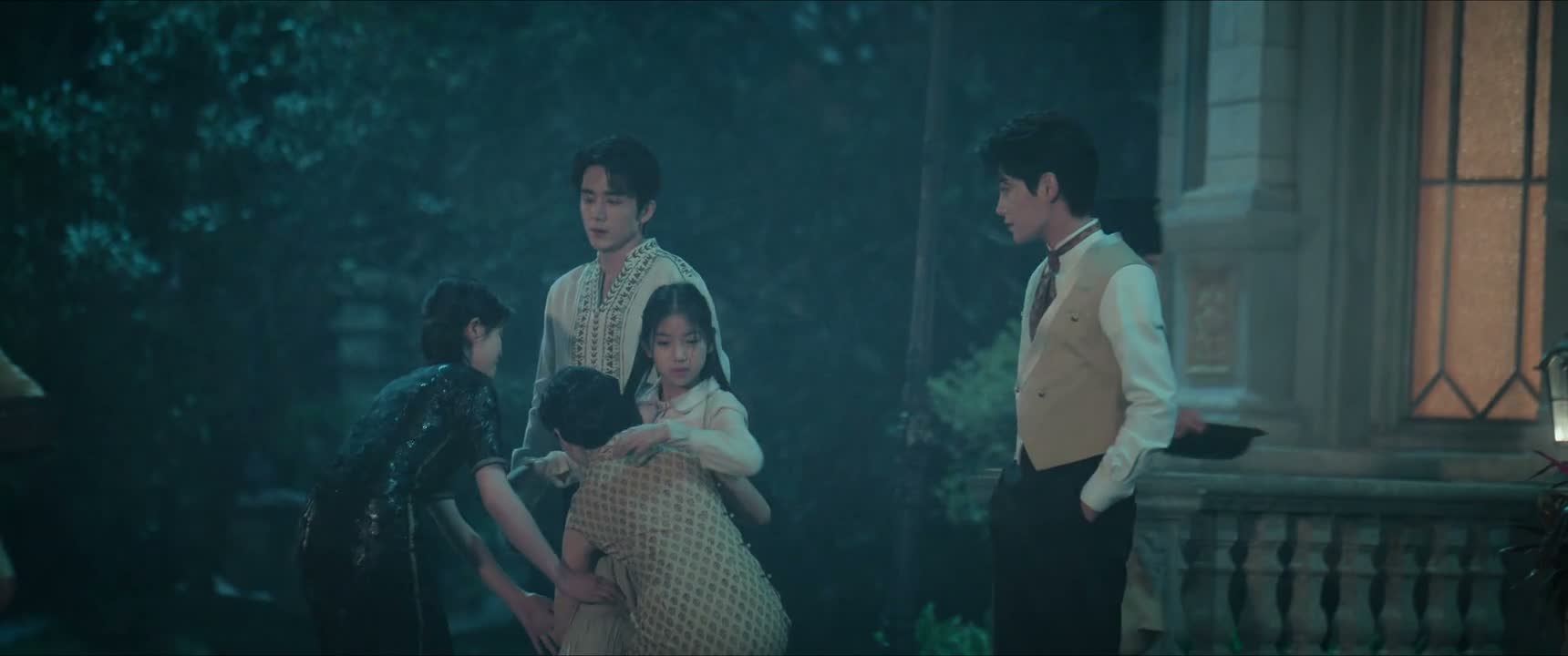
“Are you okay? It's fine. Don't be afraid.”

“- Are you alright? - I'm fine.”

“Are you alright? Thank you. We're fine. Thank you. It's okay.”

“- Are you okay? - It's okay. - I won't speak. - Okay. Go ahead.”