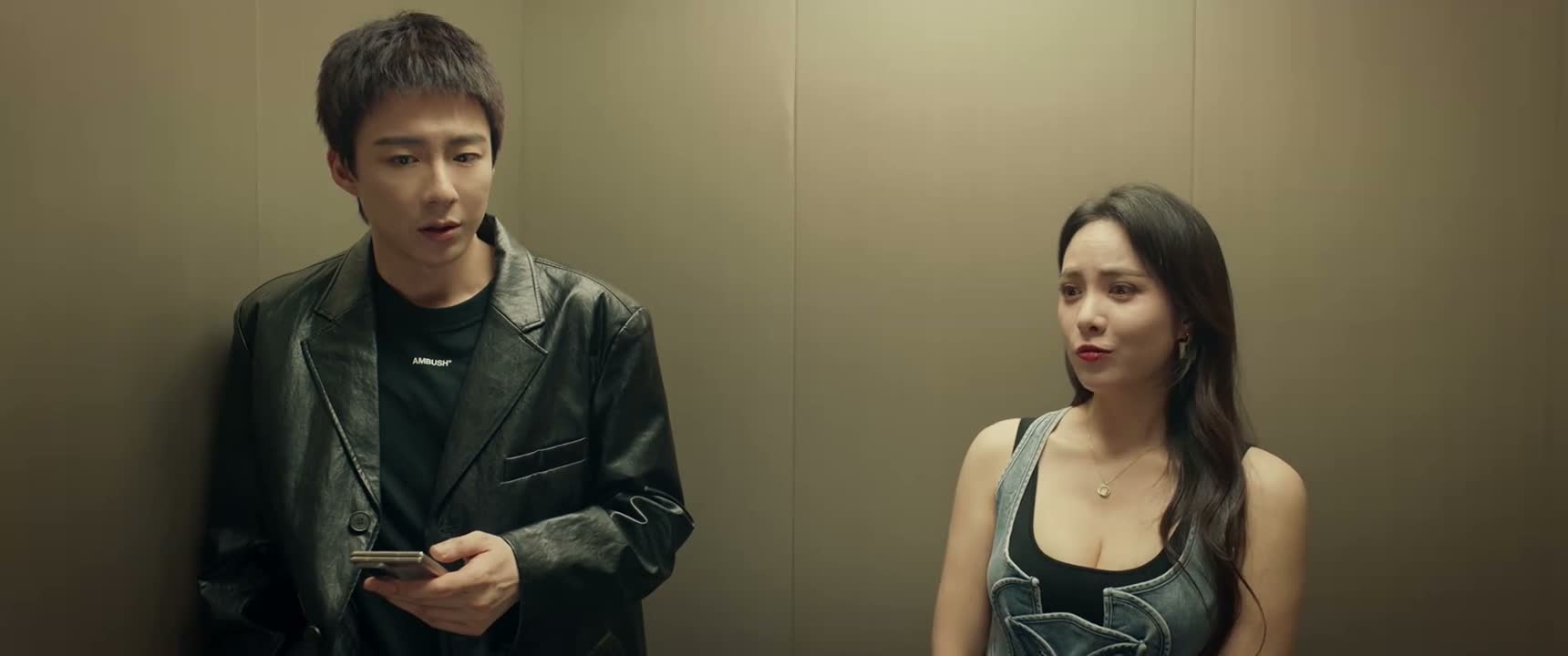
谁让咱家小萌那么漂亮呢 是 你说
“Who told Xiaomeng to be so pretty? Look at you.”
THE DIALOGUE REEL
“Stay away from here. Don't ever come back.”
谁让咱家小萌那么漂亮呢 是 你说
“Who told Xiaomeng to be so pretty? Look at you.”
“Don't return to this square. Why bother dealing with someone like that?”
“Don't be upset about this clash; trouble happens only because you are so good-looking.”
In Chinese social interactions, offering a playful compliment during or right after a tense confrontation helps smooth over embarrassment and restore emotional comfort.
LEARNING CHUNKS & PARTICLES
who told (someone to be...); what else can you expect when...
Used rhetorically to cite an unchangeable attribute or reason for an outcome, often with a teasing or resigned nuance.
our; our family's
A colloquial northern term that creates warmth, intimacy, and a sense of shared belonging when referring to a family member or close friend.
don't you think; tell me
Added at the end of an utterance as a conversational tag to invite agreement or emotional alignment from the listener.
Marks the rhetorical question with a lighthearted, playful, and explanatory cadence.
VOCABULARY & EXPRESSIONS
Parallel Spoken Cinema Scenes (语义近邻切片)
“that internet celebrity, Mengmeng. Do you think so?”

“I was raised as a proper lady myself.”

“How could Meng recognize that it was you?”

“Xiaoxiao, you're gorgeous.”

“So Xiaoxiao, you're a magician.”

“So, Xiaoxiao, you're a trick master.”