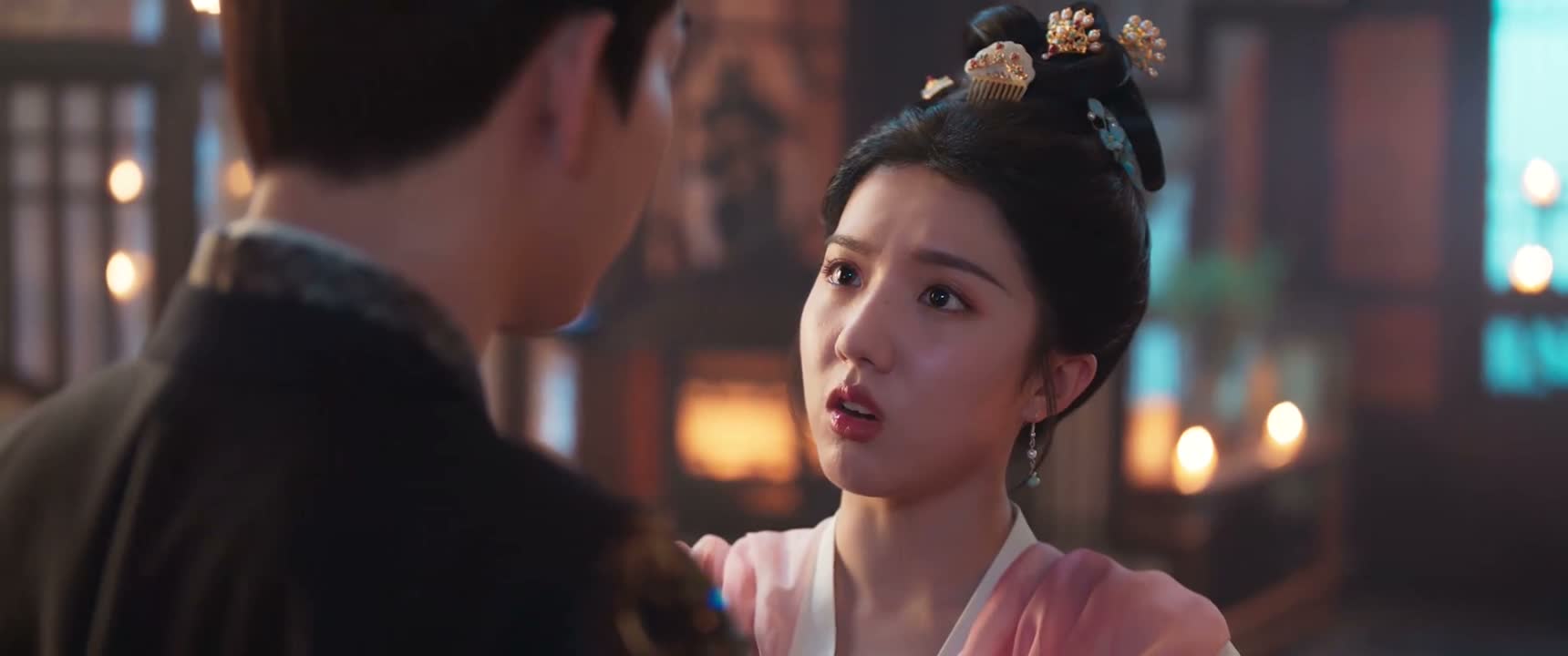
《Wishing Upon the Shooting Stars》 S1·E7 (27:07)
HSK 5
hē zuì nà ge wǎn shàng nǐ wèi shén me yào qīn wǒ
喝醉那个晚上你为什么要亲我
“why did you kiss me when you were drunk that night?”
《Wishing Upon the Shooting Stars》
S1·E7
TIMECODE: 27:07
·
1080P MASTER AUDIO
THE DIALOGUE REEL
hē zuì nà ge wǎn shàng nǐ wèi shén me yào qīn wǒ
CURRENT FOCUS
喝醉 那个 晚上你 为什么要 亲我
“why did you kiss me when you were drunk that night?”
[+1] FOLLOW-UP TURN
wǒ bù xiǎng shāng hài nǐ
我不想伤害你
“I didn't want to hurt you.”
Subtitles synced to millisecond timecode
Browse Show Clips →
Scene:
Social & Dating
Function:
DEMANDING CLARIFICATION
Tone:
CONFRONTATIONAL AND DIRECT
Emotion:
VULNERABILITY
WHAT THEY REALLY MEAN (PRAGMATIC SUBTEXT)
“Do not hide behind alcohol or pretend we are just friends; you crossed the line because you have feelings for me.”
💡 Cultural Insight: Alcohol as an Emotional Pretext (借酒壮胆 / 借酒行事)
In Chinese social and romantic dynamics, drunkenness is frequently invoked either as courage to confess feelings or as a convenient excuse to evade responsibility the next day.
INTENT TAGS:
#demanding_explanation
#romantic_confrontation
#clarification
#seeking_truth
🧩
2 CHUNKS · 0 PARTICLES
LEARNING CHUNKS & PARTICLES
喝醉那个晚上
SPOKEN CHUNK
that night (someone) got drunk
A common temporal clause used in spoken Chinese to anchor an awkward or dramatic past event.
为什么要
SPOKEN CHUNK
why did / why would (you)
Used to demand an explanation for a baffling or emotionally charged action.
🏮
3 EXPR · 6 GRAMMAR
VOCABULARY & EXPRESSIONS
CROSS-CINEMA CORPUS BOARD · PARALLEL SCENES
EXPLORE BY SEMANTIC SIMILARITY
Parallel Spoken Cinema Scenes (语义近邻切片)

《Wishing Upon the Shooting Stars》 S1·E7 (27:07) · Authentic Cinema Dialogue Corpus