我们没答应 他们就派人来这儿捣乱 对 对
“We didn't agree, so he sent someone to make trouble here. -Yes. -Yes.”
THE DIALOGUE REEL
响哥 高启强看上了 咱们村的这块地 要抢
“Xiang, Gao Qiqiang covets this land of our village and wants to take it away from us.”
我们 没答应 他们就派人 来这儿 捣乱 对 对
“We didn't agree, so he sent someone to make trouble here. -Yes. -Yes.”
就是他 对 就是他 你光图财也便罢了
“-The murderer is him. -Yes. It's him. It's fine if he's only after money,”
Direct spoken expression in this communicative setting.
When grassroots communities face extortion or territorial intimidation, they often appeal directly to familiar police officers or figures of authority by framing themselves as aggrieved victims.
LEARNING CHUNKS & PARTICLES
to make trouble / create a disturbance
Frequently used to describe bad-faith sabotage, unruly interference, or harassment.
to send people / dispatch someone
Used when an authority figure or rival faction sends personnel to execute an order.
VOCABULARY & EXPRESSIONS
Parallel Spoken Cinema Scenes (语义近邻切片)
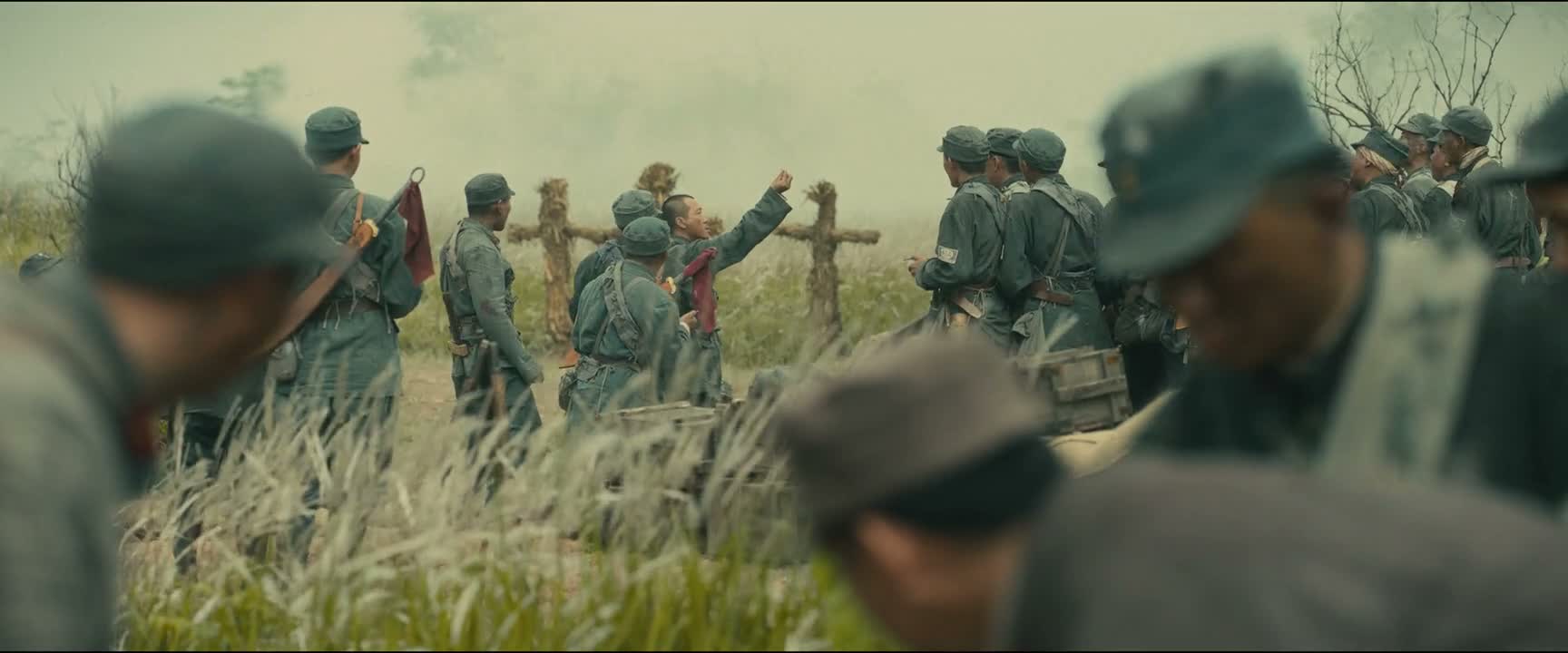
“No! It's like this, why even fight?”

“We didn't mean to refuse.”

“If I didn't, they'd just keep pestering me.”

“Does that mean you agree? I never said that.”

“As long as I didn't agree, she couldn't do anything.”

“But I refused. I refused. I have nothing to do”