捣乱
dǎo luànCommon spoken expression used by native Chinese speakers in daily life.
[Scene: 其他场景]
(11 clips) 00:02
 00:02
(你知不知道这是谁的地盘 我表哥今天酒吧刚开业) ── Previous context
“and you come to cause trouble? You did this on purpose, didn't you?”
 00:02
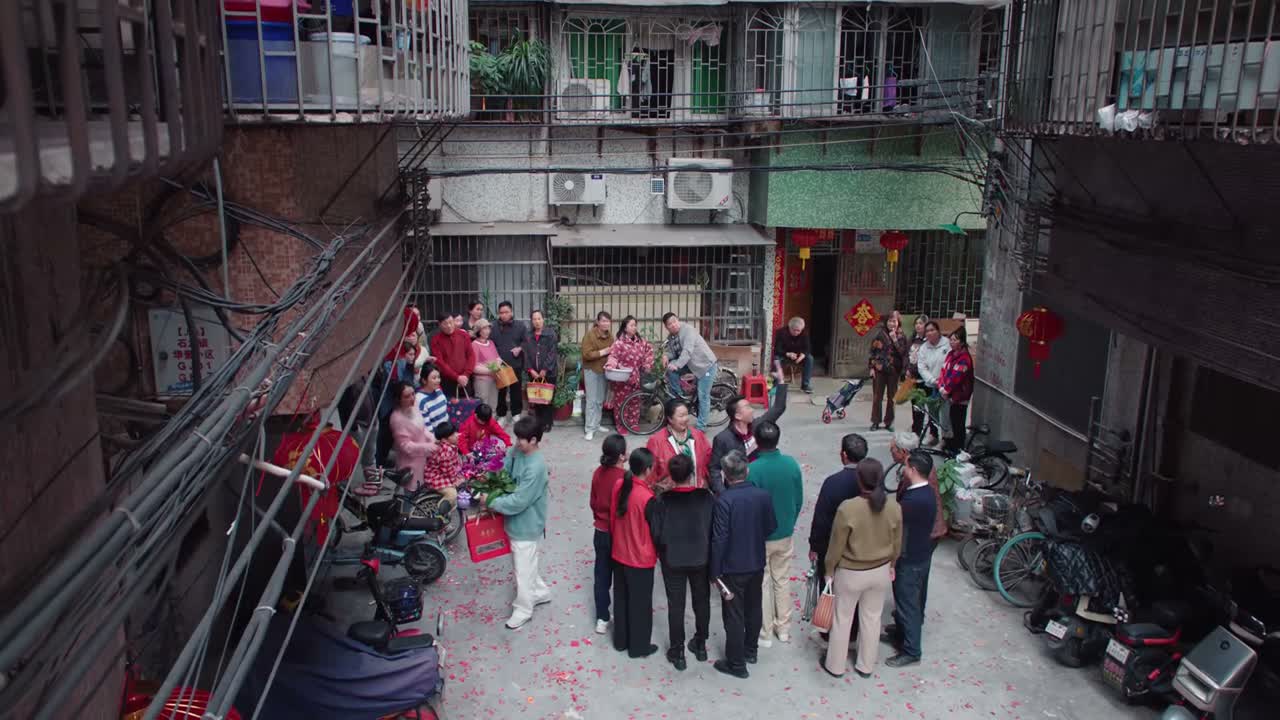 00:02
(既然你那儿子那么有出息 在金川都能买大平层) ── Previous context
“why are you stirring up trouble in our run-down old building?”
 00:02
 00:02
(但是日本人不会坐视不管) ── Previous context
“At the least, they will cause trouble and threaten you.”
 00:03
(响哥 高启强看上了 咱们村的这块地 要抢) ── Previous context
“We didn't agree, so he sent someone to make trouble here. -Yes. -Yes.”
 00:02
 00:02
(你究竟是什么人啊) ── Previous context
“You are not welcome in our shop. If you come to make trouble again,”
 00:03
(他自愿当冤大头 养你们这群寄生虫 我管不着) ── Previous context
“But if you come to my shop to cause trouble again, I won't let you get away with it.”
 00:03
(不是 我知道) ── Previous context
“You were afraid I'd mess things up for you. No! Or were you afraid I'd stop you?”
[Scene: 职场工作]
(4 clips) 00:02
 00:02
(这种过时的规定 一定要摒弃掉 坚决摒弃 对吧) ── Previous context
“Meng, don't cause trouble. I'm warning you.”
 00:03
(什 什么产业来着 对吧 印刷产业) ── Previous context
“What else? You can't even articulate it. You shut up!”
 00:03
(恢复供电 知道吗 领导 我们不会连续) ── Previous context
“such stupid mistakes twice in a row. It's obvious that someone is messing with us.”
[Scene: 餐饮美食]
(3 clips) 00:02
 00:03
(送包子的) ── Previous context
“I got the right place, didn't I? We're entertaining an important guest. Isn't this a mess?”
 00:03
(高老师 你没事吧 没事 继续吃吧) ── Previous context
“So much money! If they hadn't messed around,”
[Scene: 其他场景]
(1 clips) 00:02
(这真是缺了大德了 干这种事 她爸也被抓了) ── Previous context
“So does that mean no one will cause trouble for Xiaolan anymore?”
📌 知道吗
→Nuance: 同向近义词根配对: [恐吓 ↔ 惊吓]
📌 不客气
→Nuance: 同为再犯则不客气的严厉警告
📌 听话
→Nuance: 同向近义词根配对: [如果 ↔ 要是]
📌 赶紧
→Nuance: 核心皆为强硬驱赶对方离开
📌 是吧
→Nuance: 质问对方故意捣乱意图一致
📌 你知道吗
→Nuance: 同向近义词根配对: [恐吓 ↔ 惊吓]
📌 可不是
→Nuance: 同指责失礼,表达更含蓄
📌 不是
→Nuance: 同指责失礼,表达更含蓄
📌 不是
→Nuance: 质问对方故意捣乱意图一致