缺胳膊少腿了啊 对 对 那个我妈是美食家
“Next time, don't serve one like this. Right. Well, my mom's a food connoisseur.”
THE DIALOGUE REEL
这个全鸡 我每次来都会叫的 下次不能这么
“I'll order the whole chicken every time I come. Next time, don't serve one like this.”
缺胳膊少腿 了啊 对 对 那个 我妈是 美食家
“Next time, don't serve one like this. Right. Well, my mom's a food connoisseur.”
“Just make it better next time. Go.”
“Don't mind her too much, she's just extraordinarily picky about food.”
In traditional Chinese dining, serving a whole chicken or fish intact symbolizes wholeness and good fortune; missing parts can be viewed as bad service or an inauspicious omen.
LEARNING CHUNKS & PARTICLES
missing limbs / incomplete
An idiomatic, humorous expression used when an item or dish is noticeably missing key parts.
foodie / gourmet
Refers to a connoisseur of food with refined or demanding tastes.
Functions as a confirmation marker to acknowledge what the previous speaker observed.
VOCABULARY & EXPRESSIONS
Parallel Spoken Cinema Scenes (语义近邻切片)

“I'll still provide for him even if he loses a limb or two.”

“No missing arms, no missing legs.”

“Look, if he's not missing any limbs,”

“Do you have no hands and legs?”
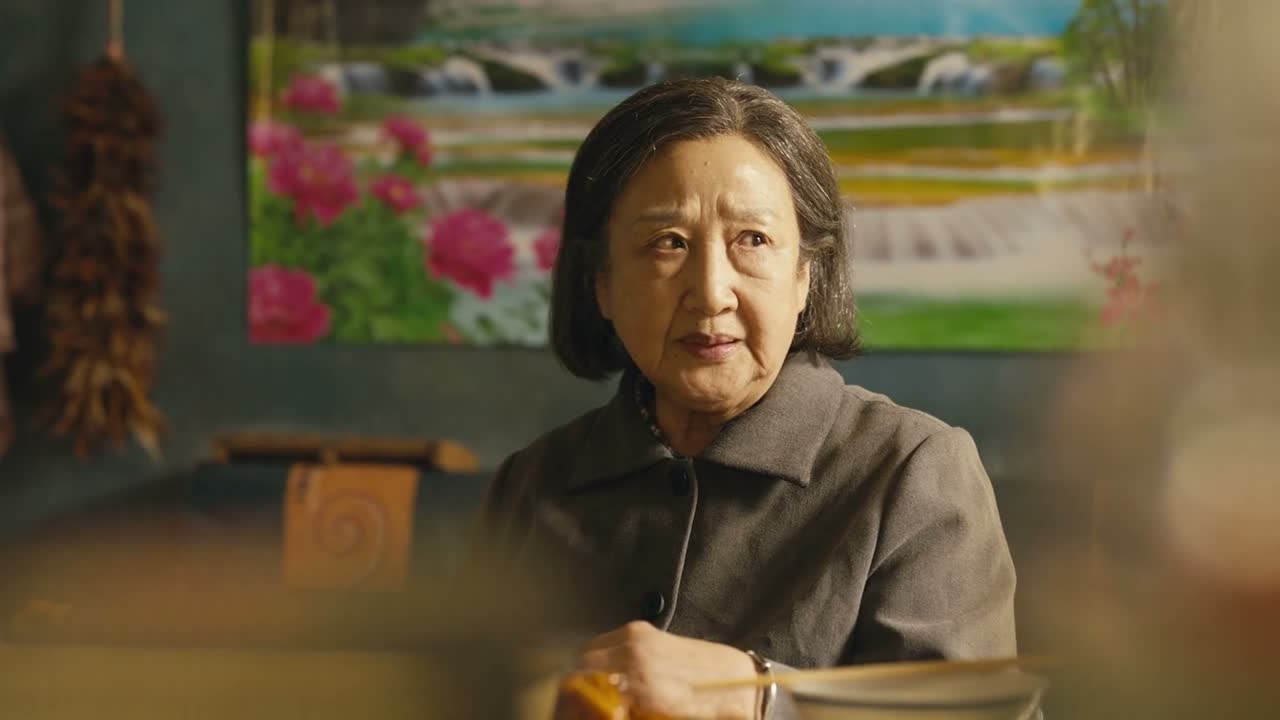
“Don't you have hands and legs?”
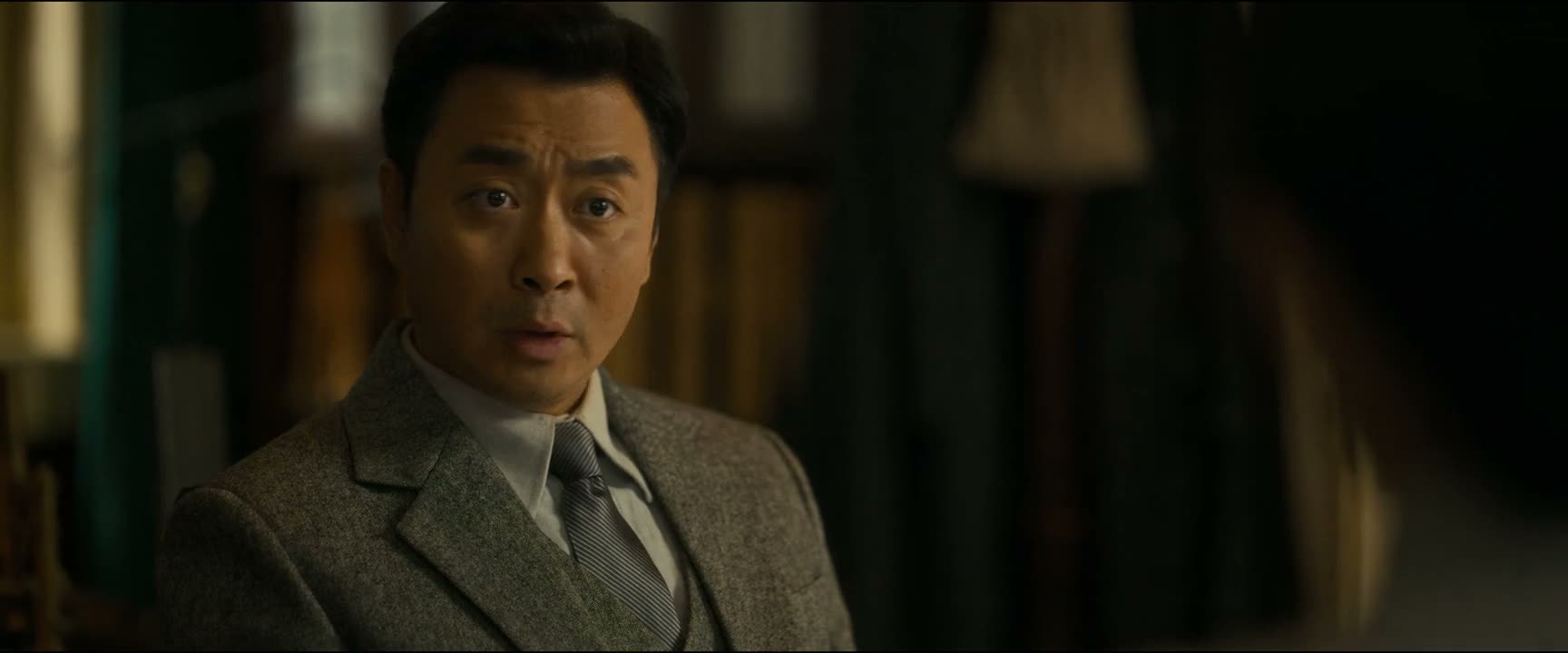
“"I've lost a leg,”