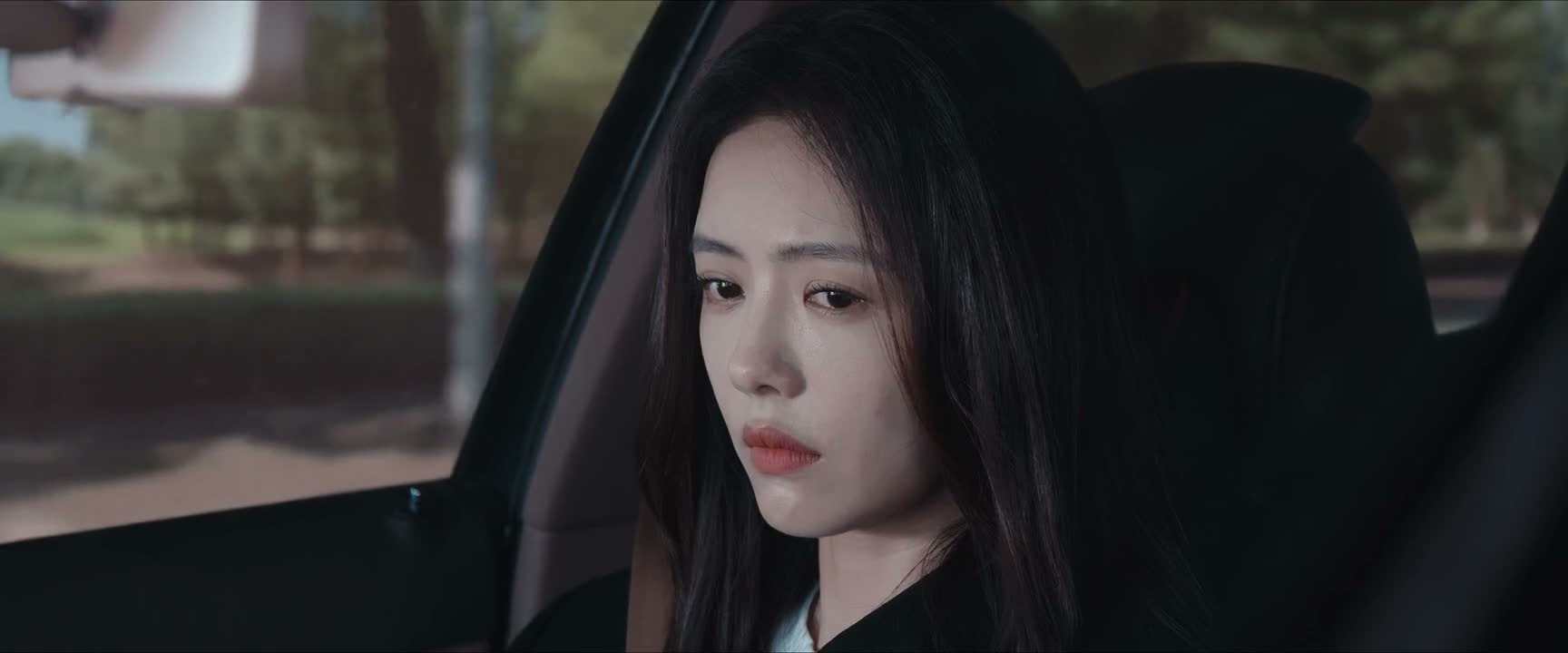
你咋老疑神疑鬼的呢 你是不是得疑心病了
“Mom, why are you always so suspicious? Do you have paranoia?”
THE DIALOGUE REEL
妈
“Mom, why are you always so suspicious? Do you have paranoia?”
你咋老 疑神疑鬼 的 呢 你 是不是 得疑心病 了
“Mom, why are you always so suspicious? Do you have paranoia?”
要不你去看心理医生吧行吗 你怎么说话呢
“How about you see a psychologist? Watch your tone!”
“Stop being so paranoid and making things up out of thin air.”
In close Chinese family relationships, speakers often bypass polite indirectness and openly diagnose or criticize behavioral flaws like paranoia.
LEARNING CHUNKS & PARTICLES
to be overly suspicious / paranoid
A common four-character idiom describing someone who constantly suspects ghosts or hidden malicious motives everywhere without evidence.
morbid suspicion / paranoia
Colloquially used to criticize someone whose excessive distrust borders on a psychological condition.
Softens the rhetorical query slightly while accentuating the speaker's bewilderment and exasperation.
Indicates a newly developed state or condition (contracting an illness).