老板 来壶茶 好嘞
“Sir, a pot of tea! Coming right up!”
THE DIALOGUE REEL
这江南水乡的景色 跟咱们徽州还是差不多的
“[Suburbs of Hangzhou] The scenery of Jiangnan water town is quite similar to that of our Huizhou.”
老板 来壶茶 好嘞
“Sir, a pot of tea! Coming right up!”
“Young Master, this is much happier than staying at home. Here, here.”
Direct spoken expression in this communicative setting.
Visiting teahouses is a classic recreational pastime in Chinese culture, especially when traveling or unwinding in the Jiangnan water towns.
LEARNING CHUNKS & PARTICLES
bring a pot of tea
A highly authentic, colloquial way to order beverages or dishes at traditional Chinese teahouses or casual diners using the verb 'lai'.
sure thing / coming right up
A standard, lively oral acknowledgment frequently used by vendors, waitstaff, or service workers to show enthusiasm.
Softens the response and conveys cheerful, willing compliance.
VOCABULARY & EXPRESSIONS
Parallel Spoken Cinema Scenes (语义近邻切片)
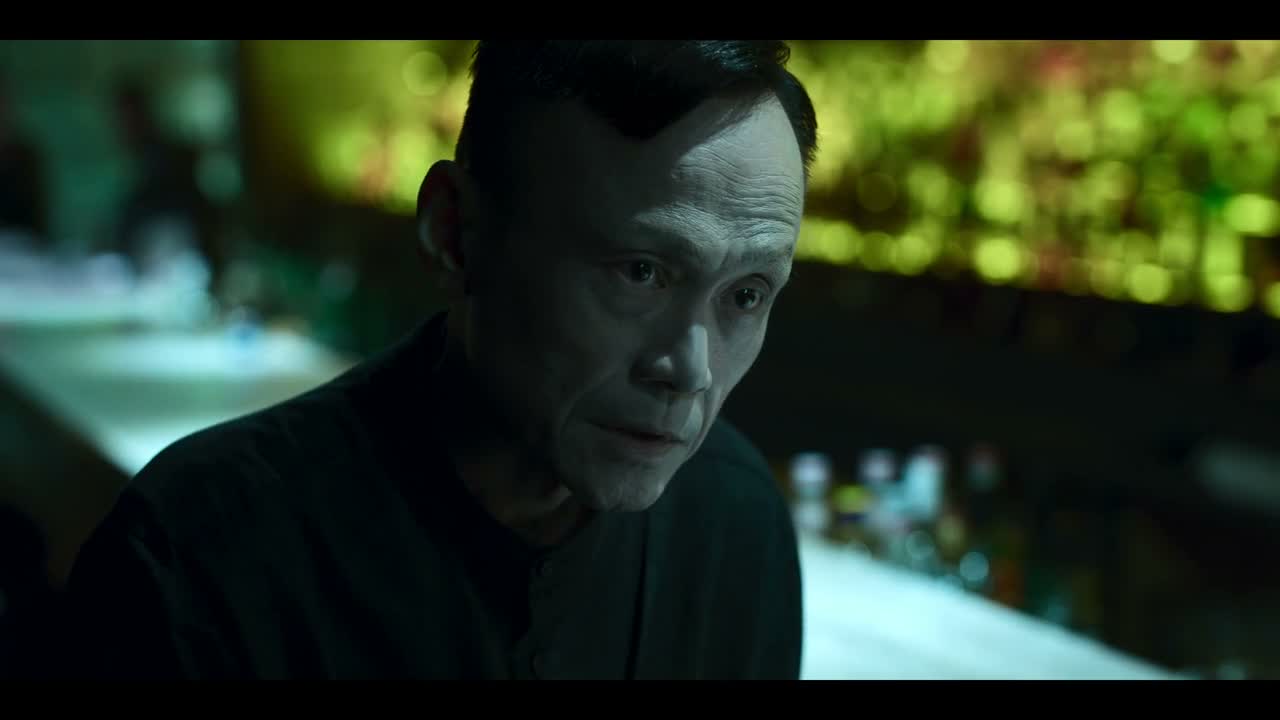
“Mr. Liu asked, are you lost? Do you need help?”

“And the boss treats them to tea every day.”
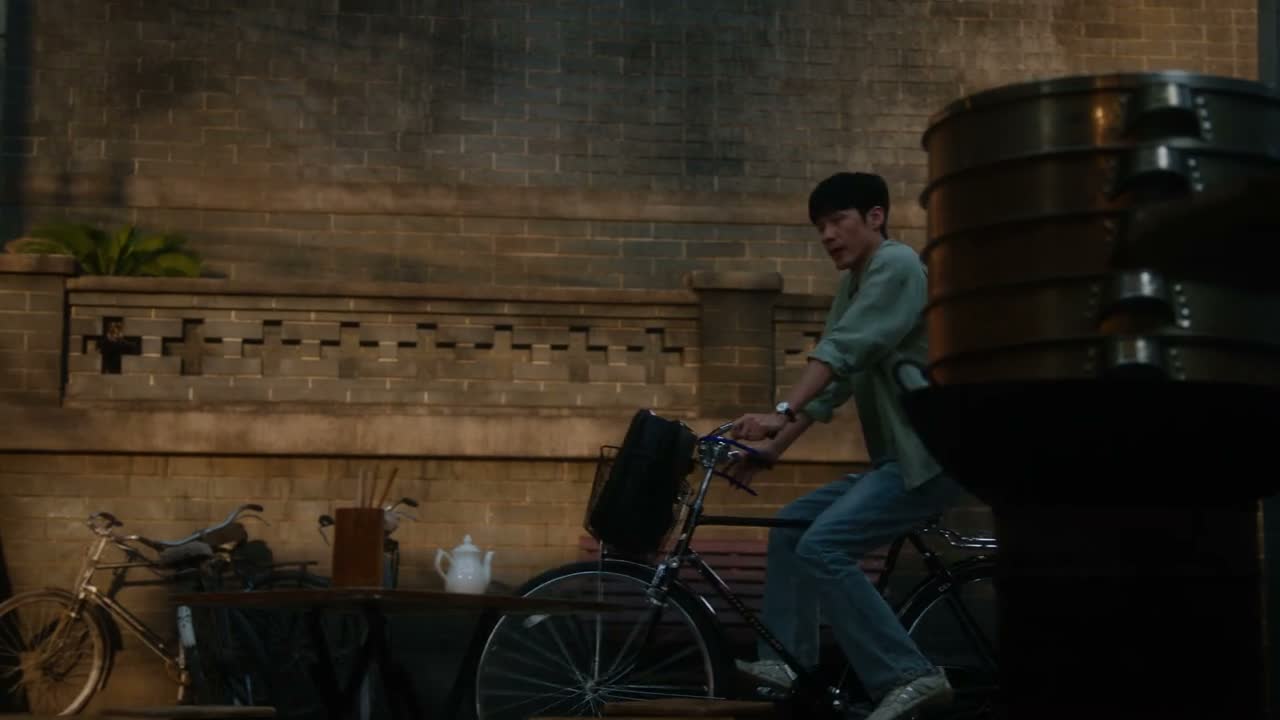
“Ma'am, a steamer of buns”

“Boss, another cup, please.”

“I made a pot of tea. Come have a cup.”

“Get the tea for me please. OK.”